


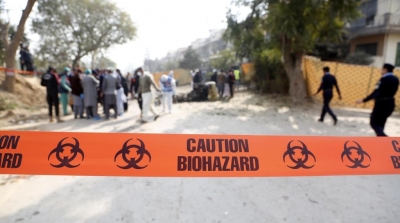
A recent suicide bombing at a Shiite mosque in Islamabad resulted in the deaths of 36 individuals and left many others wounded. The attack, which occurred during Friday prayers at the Khadija al-Kubra Mosque in the Tarlai area on February 6, was claimed by an ISIS affiliate. Authorities in Pakistan have since arrested four suspects linked to the bombing.
The incident underscores the persistent targeting of Pakistan’s Shiite community by extremist groups, indicating the ongoing vulnerability of their security. Extremists have historically focused on Shiites as part of a deliberate strategy to stoke sectarian tensions and create instability across the nation. This attack is just one in a series of violent acts against Pakistani Shiites that have spanned several decades.
Violence against Shiite Muslims in Pakistan dates back to the late 1980s, with a significant terrorist attack in 1988 claiming the lives of 150 individuals in Pakistan-occupied Gilgit Baltistan. The emergence of groups like Lashkar-e-Jhangvi in 1996 further escalated targeted attacks on Shiites, with a specific aim to eliminate them from the country.
Throughout the years, there have been numerous incidents targeting Shiite gatherings and communities in various cities, including Karachi, Lahore, and Islamabad. Extremist groups such as Tehrik-e-Taliban Pakistan, Lashkar-e-Jhangvi, and ISIS-related factions have been involved in perpetrating sectarian violence, leading to a rise in casualties among the Shiite population.
The report highlights a disturbing trend of escalating violence against Pakistan’s Shiite population over the past three decades. Terrorist attacks have become more frequent and deadly, posing a significant security and social crisis for the country. Extremist networks have systematically targeted Shiite mosques, religious events, and populated areas, spreading fear and instability nationwide.
