


Sundra village, situated along the India-Pakistan border in Rajasthan’s Barmer district, has achieved a significant milestone by receiving clean drinking water directly through household taps for the first time post-independence. This development not only signifies the introduction of a fundamental necessity but also marks the end of decades of water scarcity and the beginning of a hopeful and dignified era, as per officials’ confirmation.
Established in 1734, Sundra was once one of the largest Gram Panchayats in India, covering an expansive area of around 1,345 square kilometers. Located approximately 170 kilometers away from the district headquarters, life in this arid region has long been impacted by severe conditions and acute water shortages.
The groundwater in the region has historically been brackish, rendering it unsuitable for consumption by both humans and livestock. Even with government-installed tube wells proving ineffective, residents had to travel considerable distances of 15 to 20 kilometers to fetch drinkable water from neighboring villages.
Sundra village also has a history of displacement during the Indo-Pak Wars of 1965 and 1971, leading to the evacuation of residents due to its sensitive border location. Over the years, the community has faced various challenges, both natural and geopolitical. However, the persistent water crisis has now been alleviated through the implementation of the Narmada Canal-based Drinking Water Project.
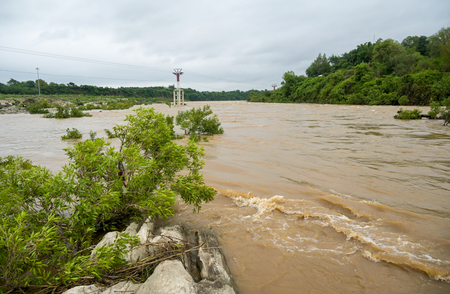
Water sourced from the Sardar Sarovar Dam on the Narmada River has traversed an impressive distance of 728 kilometers to reach Sundra village. This ambitious project, executed at an estimated cost of Rs 513 crore, aims to provide clean water to more than 200 villages in the region.
Despite encountering obstacles such as laying pipelines across sandy terrains, power limitations, and security concerns in border regions, the project has been successfully completed. The availability of tap water in Sundra is a game-changer for its residents, especially the elderly who are now experiencing the convenience of clean drinking water at their doorsteps for the first time.
This transition is anticipated to have a substantial positive impact on public health, alleviate the burden on women, and enhance the overall quality of life in the village. The arrival of Narmada water in Sundra village serves as a powerful testament to inclusive development, showcasing that even the most remote areas can undergo transformation through persistent dedication, strategic planning, and innovative solutions.
