


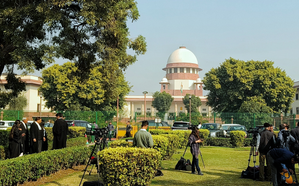
The Supreme Court has directed the Calcutta High Court to independently assess the National Investigation Agency’s (NIA) use of the Unlawful Activities (Prevention) Act (UAPA) in the Beldanga violence incident in West Bengal’s Murshidabad district. The apex court’s decision came during a hearing on a petition filed by the West Bengal government challenging the High Court’s order allowing the NIA to investigate the violence.
The Supreme Court instructed the NIA to present a sealed status report to the Calcutta High Court, clarifying whether the UAPA was applicable based on the evidence gathered. The Court emphasized that it had not formed an opinion on the case’s merits and directed the High Court to review the NIA’s report independently.
During the proceedings, the Supreme Court questioned the basis for invoking the UAPA without proper examination of the case documents. The Court highlighted the importance of not hastily categorizing every emotional outburst as a threat to economic security. The West Bengal government argued that the NIA’s intervention was unnecessary as the state police had already taken action against the violence.
The Centre defended the NIA’s involvement, citing national security concerns due to the incident’s proximity to the Bangladesh border and the use of lethal weapons. The Supreme Court stressed that the High Court must evaluate whether the NIA’s use of UAPA provisions was justified based on the available evidence. The case originated from protests following the alleged murder of a migrant worker in Jharkhand, leading to unrest in Beldanga.
