


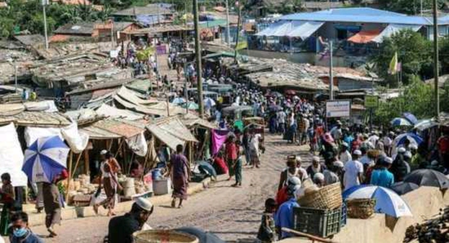
As conditions deteriorate in Bangladesh’s crowded refugee camps, thousands of Rohingya refugees are facing challenges due to reductions in food aid, raising concerns about a worsening humanitarian crisis. The Rohingyas, totaling 1.2 million in the camps, currently receive $12 per person monthly, a sum they have long deemed insufficient. Following their escape from violence in Myanmar in 2017, most Rohingya in the camps are unable to work legally in Bangladesh, relying heavily on aid for survival.
Under a new system by the UN World Food Programme, the aid amount will now be determined based on household needs, with about 17% of recipients receiving as little as $7 per month. Approximately one-third of the population, labeled as “extremely food insecure,” will continue to get $12, including households led by children. Concerns are rising as residents like Mohammed Rahim express worries about the impact on their children and overall survival with the reduced aid.
The situation has been exacerbated by foreign aid cuts, deepening the crisis in the camps, particularly affecting children. School closures have led to increased incidents of kidnapping, child marriage, and child labor. Funding for Rohingya dropped significantly in 2025, with only about half the required amount being received, standing at 19% this year. The residents, already struggling with reduced rations, are uncertain about their future, with many protesting against the new aid system and demanding the restoration of full rations.
Rahim, a father of three, emphasized the dire consequences of the aid cuts, stating that the reduced assistance has forced many into dangerous situations, with children unable to leave the camps safely for work due to risks of violence and trafficking. The uncertainty surrounding the future and the impact on the well-being of the children in the camps continue to be major concerns for the Rohingya community.
