


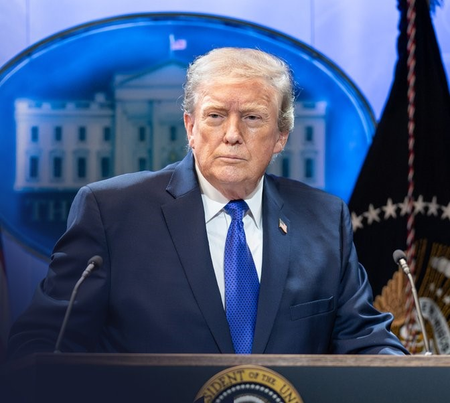
US President Donald Trump criticized Iran for not allowing oil shipments through the Strait of Hormuz as agreed upon, accusing them of violating a ceasefire understanding. Trump expressed concern over the limited number of vessels passing through the strait since the truce began, highlighting the importance of this critical chokepoint for global energy flows.
Amid reports suggesting Iran might be imposing fees on tankers passing through the strait, Trump issued a warning against such actions. He emphasized that Iran should not charge any fees to tankers, and if they are doing so, they must cease immediately. Despite the ceasefire, Trump’s remarks indicate escalating tensions, although it remains uncertain if the US plans to take direct action.
Iran has stated that safe passage through the strait is possible under specific conditions, requiring coordination with its military and consideration of technical constraints. This stance aligns with Tehran’s position before the ceasefire, emphasizing the importance of following certain protocols for transit through the strategic waterway.
Trump also dismissed criticism from The Wall Street Journal, defending his approach towards Iran and asserting that his actions have prevented Iran from acquiring nuclear weapons. He challenged the newspaper’s assessment, claiming that his strategy will ensure the flow of oil, regardless of Iran’s cooperation, emphasizing his commitment to this goal.
The ongoing discussions surrounding the ceasefire’s implementation highlight uncertainties, particularly regarding maritime access through the Strait of Hormuz. Iran’s insistence on retaining control over the strait during peace talks raises concerns for global energy markets, given the strait’s significance as a crucial passage for seaborne crude oil shipments.
