


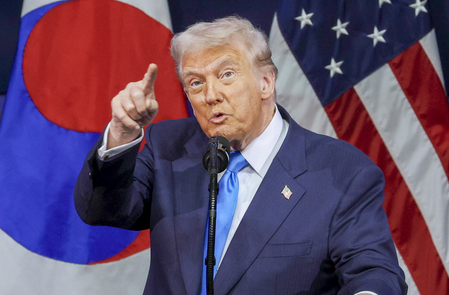
The Trump Administration has announced significant changes to the H-1B work visa selection process. The new system replaces the random lottery with a weighted process that prioritizes higher-skilled and higher-paid foreign workers. This move aims to safeguard American workers’ wages, working conditions, and job opportunities, while enhancing the H-1B visa program’s integrity.
Under the updated regulation, H-1B visas will no longer be allocated through random selection. Instead, a weighted system will be implemented to increase the likelihood of visas being granted to more skilled and higher-paid foreign nationals. This change is designed to address concerns about abuse of the lottery system, where some employers flooded the pool with lower-skilled, lower-wage applications.
The annual cap for H-1B visas remains at 65,000, with an additional 20,000 visas set aside for applicants with advanced degrees from U.S. institutions. The new selection rule will come into effect for the fiscal year 2027 registration season. This reform aligns the H-1B program more closely with congressional intent and addresses long-standing issues related to wage suppression and misuse of the visa category.
The Trump administration’s broader efforts to revamp the H-1B system include various measures to prevent misuse of the visa category. These initiatives aim to ensure that employers hire foreign labor only when highly skilled workers are genuinely needed. The H-1B visa program allows U.S. employers to hire foreign workers in specialty occupations, primarily in the technology sector and with significant implications for skilled professionals from countries like India.
