


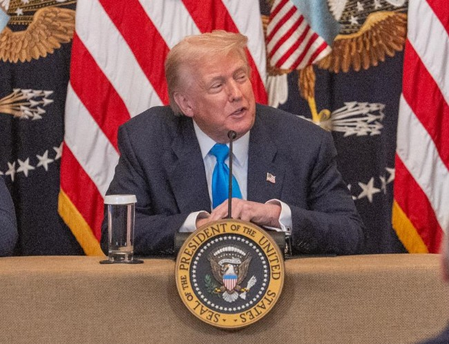
The Trump administration is making moves to tighten asylum access, urging US immigration judges to dismiss cases without hearings and send migrants to third countries. This shift aims to close what officials call a significant loophole in legal immigration. The Department of Homeland Security is seeking to summarily reject asylum applications and relocate migrants to nations like Uganda, Honduras, and Ecuador under safe third-country agreements. This strategy is part of a broader effort to limit immigration and speed up deportations, aligning with the administration’s removal targets.
Asylum applications have seen a notable increase in recent years, with almost 900,000 pending claims in fiscal year 2024, a stark rise from the approximately 200,000 annually during President Trump’s initial term. A senior administration official defended the policy, stating that asylum was not meant to be a means for individuals to choose their preferred country of residence. The administration’s approach gained traction in October when judges were advised to consider third-country removal before assessing asylum claims in the US.
This guidance led to a surge in case dismissals, with DHS lawyers requesting the dismissal of nearly 5,000 cases in November, double the amount from October. Critics, including immigration lawyers and advocacy groups, argue that this policy erodes the humanitarian safeguards of the US asylum system. On the contrary, administration officials assert that those genuinely fearing persecution should prioritize safety over location, emphasizing that the law should be addressed through legislative channels. The administration’s use of third-country agreements has expanded, with supporters viewing it as a deterrent to unfounded asylum claims.
The Trump administration contends that the policy is both legal and essential in reducing the immigration court backlog, which has reportedly dropped to under 3.75 million cases. The administration anticipates around 600,000 deportations in its initial year, surpassing previous records. This move could impact asylum seekers from India, particularly those backed by Sikh separatist groups under false political oppression claims. Indian officials have consistently denied allegations of state-sponsored political repression in Punjab, expressing concerns over misuse of asylum systems by individuals facing criminal charges in India.
