


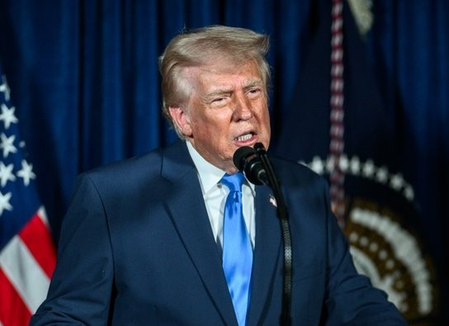
The Trump administration has introduced the new Dietary Guidelines for Americans, aiming to combat chronic diseases, reduce healthcare costs, and promote “real food” in government food programs. These guidelines, announced by White House Press Secretary Karoline Leavitt, Health and Human Services Secretary Robert F. Kennedy Jr., and Agriculture Secretary Brooke Rollins, are crucial to President Donald Trump’s agenda to improve national health. The guidelines, effective for 2025-2030, mark a significant shift in federal nutrition policy, emphasizing whole, nutrient-dense foods, increased protein intake, and limits on added sugars.
The new framework is described as a major reset of federal nutrition policy, focusing on promoting healthier food choices and ending the dominance of highly processed foods. The government plans to encourage the consumption of fruits, vegetables, whole grains, and healthy fats while reducing added sugars. This shift aims to revolutionize the nation’s food culture and promote the consumption of real, wholesome foods.
The guidelines will impact various sectors, including public schools, the military, veterans’ hospitals, and nutrition programs like SNAP, WIC, and Head Start. While the changes will not be immediate, officials stress that the revised rules and procurement standards will gradually lead to tangible improvements in food quality. The move is expected to have a positive impact on public health, potentially reducing obesity-related diseases and lowering federal health spending.
