


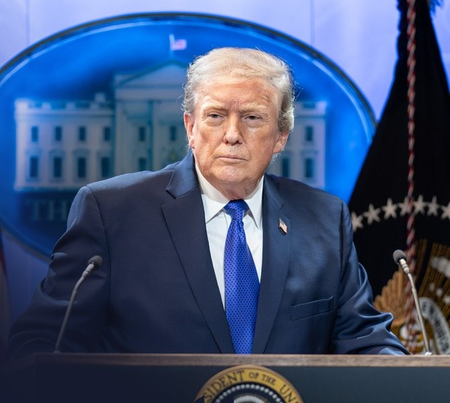
US President Donald Trump met with NATO Secretary General Mark Rutte to discuss the possibility of the United States pulling back from NATO due to disagreements over the alliance’s response to the Iran conflict. The White House mentioned that Trump has been contemplating withdrawing from NATO, citing the alliance’s perceived shortcomings. Press Secretary Karoline Leavitt stated that Trump had expressed disappointment in NATO’s performance, indicating that leaving the alliance was still being deliberated.
Rutte acknowledged the strained relations but noted that most European allies had supported the US. Despite Trump’s frustration with the lack of full backing from European partners in military actions against Iran, Rutte emphasized that the majority of European nations had been cooperative. He described the discussions between Trump and himself as candid and transparent, highlighting the support provided by European countries in terms of basing, logistics, and overflights during the conflict.
The meeting also addressed broader coordination efforts, including securing shipping routes in the Strait of Hormuz and diplomatic initiatives to resolve the Russia-Ukraine conflict. Secretary of State Marco Rubio engaged with Rutte separately to discuss enhancing coordination and burden-sharing among NATO Allies. Republican congressional leaders reiterated the significance of NATO, emphasizing its critical role in US interests and highlighting the substantial support received from NATO allies in recent US military operations.
Trump’s statements have sparked concerns in Europe regarding the US commitment to the alliance. While no formal policy shift was announced following the meeting between Trump and Rutte, the White House confirmed that discussions on the US stance towards NATO were ongoing. Established in 1949, NATO remains central to Western collective defense, with its mutual defense clause binding members to assist each other in times of need.
