


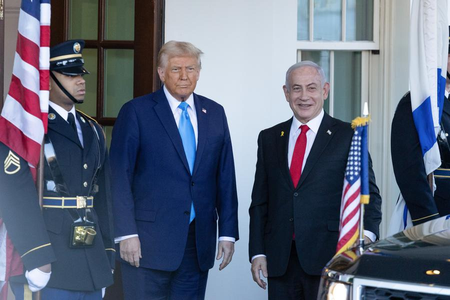
US President Donald Trump engaged in discussions with Israeli Prime Minister Benjamin Netanyahu and Pakistani Army Chief Field Marshal Asim Munir to finalize a ceasefire framework with Iran. The White House official confirmed these conversations, highlighting Trump’s efforts to reach a resolution.
The talks coincided with the US decision to halt planned military strikes on Iran, opting instead for a two-week negotiation period linked to the reopening of the Strait of Hormuz. Trump’s temporary suspension of attacks was contingent on Iran’s commitment to swiftly and safely reopening the crucial shipping route.
Iran tentatively accepted the pause, expressing willingness to cease operations if attacks ceased and permitting limited passage through the strait during the specified period. Israel also supported the two-week pause, aligning itself with the US stance as efforts to de-escalate the situation intensified.
Amid diplomatic engagements, Pakistan played a role in facilitating discussions between the involved parties as the deadline set by Trump approached. The administration viewed the temporary pause as a strategic move following recent military actions, emphasizing the importance of negotiations in achieving a lasting resolution.
White House Press Secretary Karoline Leavitt hailed the developments as a success attributable to Trump’s leadership and the military’s capabilities. She underscored the role of military operations in creating leverage for diplomatic negotiations, leading to a potential path towards long-term peace and a diplomatic solution.
