


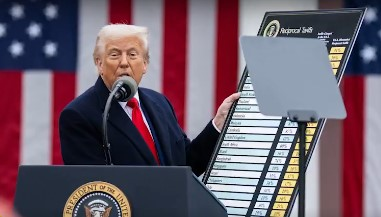
US President Donald Trump has signed a proclamation imposing significant tariffs on steel, aluminum, and copper imports, citing national security concerns. The tariffs will be based on the full customs value of the imported metal products and their derivatives, aiming to close existing loopholes. Under this new directive, primary steel and aluminum products will face a 50% duty, while certain derivative products will be subject to a 25% tariff.
The administration’s goal is to ensure that importers pay duties based on actual transaction prices rather than artificially lowered values. A senior administration official clarified that the tariffs will be calculated based on 50% of the full value of the steel paid by US customers. This revised methodology aims to eliminate pricing distortions by exporters who were artificially lowering prices.
In addition to the tariff changes, a simplified framework for derivative products has been introduced. Items with limited metal content will be exempt from additional tariffs, while those with substantial metal composition will face a flat 25% duty. The administration believes that this overhaul will streamline compliance, reduce administrative complexity for importers, and strengthen enforcement efforts.
The proclamation highlights that domestic capacity utilization in aluminum and steel has increased since the initial tariffs were imposed. The administration argues that further tightening is necessary to push utilization closer to the targeted 80% and prevent circumvention through derivative products. The order also authorizes US authorities to expand the list of covered products on a rolling basis if imports are deemed to undermine national security objectives.
Officials have reassured that these measures are not expected to significantly impact consumer prices. They emphasize that the changes primarily affect trade mechanics rather than retail pricing. The tariffs are set to take effect from April 6, applying to goods entering the US market from that date.
