


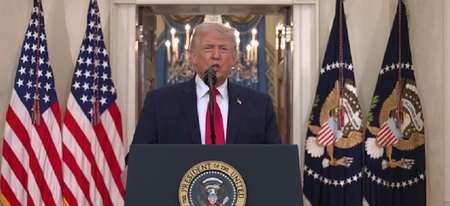
US President Donald Trump has proposed that nations relying on crucial global passages should take charge of safeguarding them. Trump questioned the need for the US to oversee vital energy pathways like the Strait of Hormuz, suggesting countries like China, Japan, and South Korea handle the responsibility. He expressed readiness to withdraw US presence from such areas, emphasizing a shift towards focusing military actions on direct national interests.
The President highlighted the long-standing US role in securing the Strait of Hormuz, signaling a potential policy adjustment. Trump stressed the importance of preventing the proliferation of nuclear weapons, asserting that US forces can operate independently without allies. He urged countries benefiting from international trade routes to contribute to their protection, aiming to reduce the burden on the United States.
Trump’s comments indicate a call for burden-sharing among global partners and allies, reflecting a more transactional approach to US foreign policy. The significance of the Strait of Hormuz as a critical oil passage, through which a substantial portion of global crude oil flows, underscores the potential impact of any US disengagement on energy markets and supply chains.
India, being one of the largest energy importers globally with a significant reliance on Gulf-sourced crude oil, is particularly sensitive to stability in the Strait of Hormuz for its energy security. India’s strategic autonomy approach, avoiding formal alliances while collaborating with partners to safeguard its interests, aligns with the broader geopolitical implications of the discussions on global route security.
