


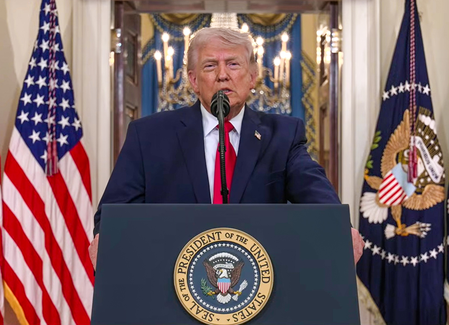
U.S. President Donald Trump proposed reopening the Strait of Hormuz for economic benefits amidst ongoing tensions in the Gulf. Trump’s social media post highlighted the potential to “MAKE A FORTUNE” through oil-related activities in the region. Recent data shows a gradual revival in maritime traffic through the strait, a critical passage for global energy supply chains.
Maritime intelligence firm Windward reported that 16 ships navigated the strait on April 1, indicating a cautious resumption of shipping operations after a period of disruption. Another dataset revealed an increase in cargo vessels passing through the waterway, although the numbers still remain below pre-conflict levels. Operators are beginning to test the restrictions imposed by Iran in mid-March, including a mandatory navigation corridor overseen by the Islamic Revolutionary Guard Corps (IRGC).
As of April 2, around 656 vessels were present in the Arabian Gulf, with cargo ships comprising 55% and tankers 45% of the total. Notably, some vessels, including Omani-controlled oil tankers and a liquefied natural gas carrier, bypassed the Iranian-controlled corridor for transit. The LNG tanker Sohar successfully navigated the strait, marking a significant event since the conflict escalated.
Windward’s report highlighted the prevalence of flag-of-convenience registries in the region, with Panama, Liberia, Marshall Islands, and Iran leading in vessel numbers. The ownership structures of these vessels remain unclear, with beneficial owners hailing from China, India, Turkey, and Iran. Approximately 25% of ships maintain unknown ownership, posing challenges for monitoring and enforcement efforts.
