


The United Nations Support Mission in Libya (UNSMIL) disclosed that in 2025 alone, there were 63 casualties from explosive remnants of war, with 21 being children. The aftermath of armed conflicts and unsafe ammunition storage has led to widespread contamination of explosive ordnance in Libya, impacting residential areas, roads, and agricultural land.
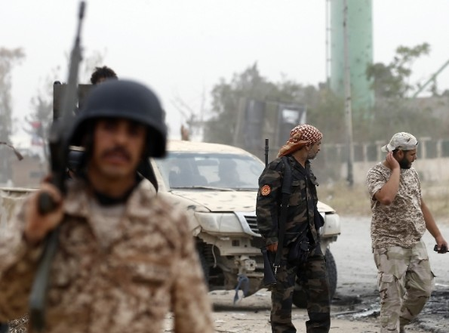
On the International Day for Mine Awareness and Assistance in Mine Action, UNSMIL emphasized the critical role of mine action in safeguarding civilians and fostering peace and stability in Libya. The statement highlighted the significant explosive ordnance contamination in Libya, citing large-scale armed clashes in Tripoli and accidental explosions at ammunition depots in populated areas.
Even in regions where active conflict has diminished, risks persist due to unsecured weapons and stockpiles, posing immediate threats to returning displaced families. UNSMIL reiterated its dedication to aiding Libyan-led initiatives in enhancing the security of weapons and ammunition stockpiles and clearing explosive ordnance contamination. The mission urged national authorities, international partners, and civil society to bolster coordinated support for mine clearance efforts.
Militia clashes have become frequent in Libya, which remains divided between the UN-recognized Government of National Unity in the west and a rival eastern administration led by Osama Hammad and supported by Khalifa Haftar’s Libyan National Army. Recent armed clashes in Zawiya, a city west of Tripoli, resulted in one fatality, reflecting ongoing tensions between rival armed factions despite local appeals for peace.
