


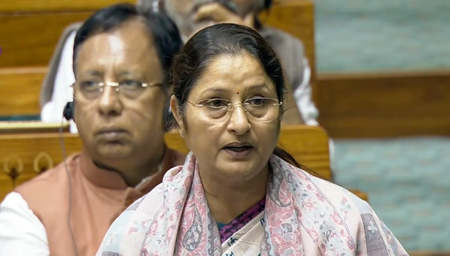
The Protection of Children from Sexual Offences (POCSO) Act, 2012, defines a child as anyone below 18 years old, with any sexual activity involving individuals under 18 considered an offense. Union Minister for Women and Child Development, Annpurna Devi, highlighted that diluting the age of consent or introducing exceptions could jeopardize child safety and increase the risk of exploitation. She emphasized that maintaining the age of consent at 18 years is crucial for protecting children, especially adolescent girls.
Legislative decisions to keep the age of consent at 18 years are intentional and consistent across various statutes to ensure coherence within the legal framework. Annpurna Devi reiterated that this age standard is maintained in several laws, including the Protection of Children from Sexual Offences Act, 2012, and the Juvenile Justice Act, 2015. The intent behind setting the age of consent at 18 is to prevent manipulation, coercion, and exploitation of minors, recognizing their inability to provide informed consent in matters involving sexual activity.
The definition of a child under the POCSO Act, 2012, aligns with India’s international obligations under the United Nations Convention on the Rights of the Child. Annpurna Devi emphasized that individuals below 18 years are not considered capable of giving informed consent, reflecting the legislative intent to safeguard minors from potential harm and exploitation.
