


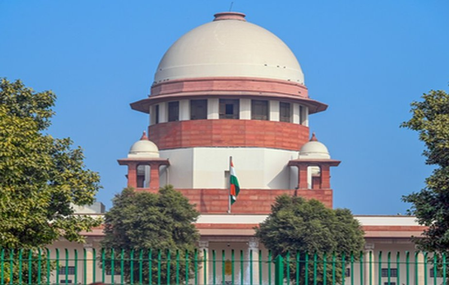
The Union government has requested the Supreme Court to review the 2018 Sabarimala judgment allowing women of all ages to enter the temple. Solicitor General Tushar Mehta argued before a nine-judge Constitution Bench that Indian society does not conform to Western notions of patriarchy and gender stereotypes. He emphasized that women have always been revered in India, both spiritually and publicly, and questioned the relevance of such concepts in the Sabarimala debate.
India’s constitutional ethos, Mehta highlighted, holds deep respect for women, citing their significant role in the Constituent Assembly debates. He also discussed the interpretation of Article 26 of the Constitution, emphasizing its protection of rights for smaller groups within religious denominations. The Solicitor General expressed disagreement with the 2018 judgment on Sabarimala, stating it was wrongly decided and should be reconsidered on legal grounds.
The Constitution Bench clarified that it would not review the Sabarimala verdict itself but focus on seven constitutional questions. These questions revolve around the balance between religious freedom and fundamental rights, judicial oversight of religious practices, and denominational rights under Articles 25 and 26. The Bench, comprising nine judges, is addressing a range of issues beyond Sabarimala, including the entry of women in mosques, rights of Parsi women in interfaith marriages, and practices like female genital mutilation in specific communities.
