


A significant US air operation, involving over 100 aircraft, successfully rescued two airmen stranded in Iran. The operation, known as Epic Fury, saw an F-15 fighter jet crash in Iranian territory, leading to the ejection of both crew members. One airman was swiftly located and rescued, while the other, injured and miles away, evaded capture for nearly two days before being extracted in a subsequent mission.
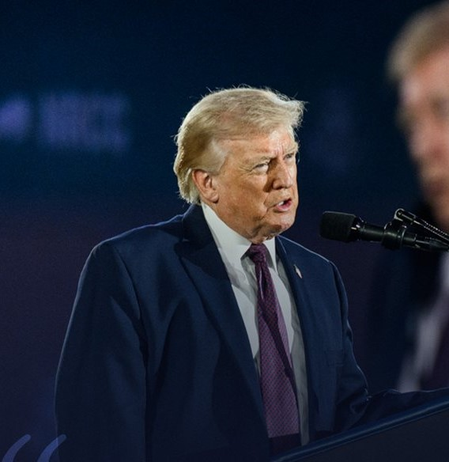
President Donald Trump commended the operation, highlighting the deployment of 21 military aircraft into hostile airspace within hours of the incident. The rescue mission faced intense enemy fire, with both crew members isolated behind enemy lines after ejecting from the downed aircraft.
The first pilot was rescued during daylight hours after US aircraft entered Iranian airspace and engaged hostile forces. In contrast, the second airman, a weapons systems officer, landed far from the crash site and was surrounded by enemy personnel, necessitating a more extensive rescue effort.
The second rescue mission, involving 155 aircraft, including bombers, fighters, refueling tankers, and rescue aircraft, was a high-stakes operation. CIA Director John Ratcliffe emphasized the critical role of speed and precision in the rescue, likening it to a challenging search mission in hostile territory.
The successful rescue, despite facing significant risks, resulted in the recovery of all personnel without any fatalities. The operation, characterized by its complexity and danger, underscored the US commitment to retrieving personnel behind enemy lines.
