


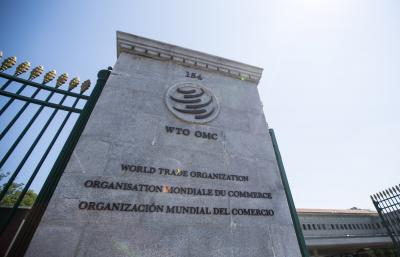
The United States has strongly criticized the World Trade Organization (WTO) for being “ineffective and dysfunctional” following the 14th Ministerial Conference’s failure to enact significant reforms, especially regarding digital trade rules. US Trade Representative Jamieson Greer expressed disappointment in the WTO’s performance, labeling it as no longer a credible platform for trade discussions. Greer highlighted the lack of progress and low engagement from senior ministers during the recent conference in Cameroon.
At the core of the disagreement was the debate over the ongoing moratorium on tariffs for digital products like software and music, a policy established in 1998. The US, supported by 24 other nations, proposed making this moratorium permanent to provide clarity in digital trade. Despite substantial support, the proposal did not succeed due to the WTO’s consensus-based decision-making process, necessitating agreement from all 166 member countries. Some countries advocated for a limited extension, while others tied their support to unrelated requests.
Efforts to find a middle ground also failed, with disagreements arising over the duration of the moratorium extension. While a majority of members were willing to extend it for approximately four years, Brazil and Turkey insisted on maintaining a two-year renewal cycle, impeding progress. The breakdown in negotiations underscores fundamental structural challenges within the WTO, according to the US evaluation, with divergent priorities among member states hindering meaningful reforms.
The US has indicated a shift away from relying on the WTO to address contemporary trade issues, opting instead for regional and bilateral agreements to address trade imbalances and safeguard supply chains. Greer emphasized that the US is not willing to wait for the WTO to address the concerns of American workers and businesses, highlighting recent trade agreements aimed at expanding foreign markets while safeguarding domestic production. Criticizing the WTO’s historical performance, Greer argued that it failed to adequately respond to challenges like the “China shock” and continues to grapple with enforcement and compliance shortcomings.
The stalled discussions in Cameroon have been sent back to WTO headquarters in Geneva for further deliberations, though Greer remains doubtful about the likelihood of a breakthrough. He expressed skepticism about the prospects for e-commerce certainty and broader reform initiatives unless member nations can achieve a significant breakthrough.
