


Members of Congress, from both parties, have voiced worries about how immigration policies, workforce pipelines, and supply chain uncertainties are jeopardizing the United States’ position in quantum science and technology. During a House Science, Space, and Technology Committee hearing, lawmakers cautioned that restrictions on international students and foreign talent are weakening the quantum workforce, especially amid intense global competition.
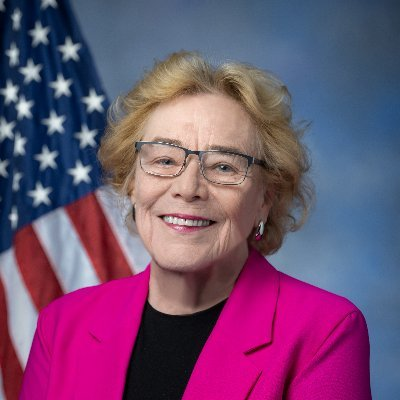
Representative Zoe Lofgren emphasized the need for the US to attract global quantum talent, highlighting that if the country fails to do so, other nations will step in. She stressed the importance of federal agencies being adequately staffed and resourced to maintain leadership in quantum technologies. China’s significant investments in quantum research and development were also highlighted, with concerns raised about the disparity in funding between the US and China.
Lawmakers like Representative Suzanne Bonamici echoed worries about the quantum workforce pipeline, citing issues such as federal grant reductions and visa obstacles that deter foreign scholars. The importance of the US being an attractive destination for global quantum talent was reiterated, emphasizing the need to keep doors open for all those pursuing higher education opportunities.
The discussion extended to workforce challenges facing the National Institute of Standards and Technology, with a call for a comprehensive government effort to enhance the quantum talent pipeline. Representative Gabe Amo raised broader concerns about immigration and workforce issues, pointing out significant personnel losses at federal science agencies over a one-year period.
The importance of foreign-born scientists in the US quantum ecosystem was underscored by agency leaders, highlighting their valuable contributions. Lawmakers also explored the implications of quantum technologies for data protection and emphasized the strategic significance of talent pipelines from early education through advanced studies.
Concerns were raised about workforce development programs, particularly for students and technicians, with a focus on recruiting and retaining quantum talent across diverse demographics. The discussion also touched on the link between workforce challenges and supply chain issues, emphasizing the role of federal investment in fostering regional quantum ecosystems for economic and workforce development.
Witnesses emphasized the fragility of US leadership in quantum technologies, despite its current strength, stressing the need to not only maintain but also enhance leadership across critical and emerging technologies.
