


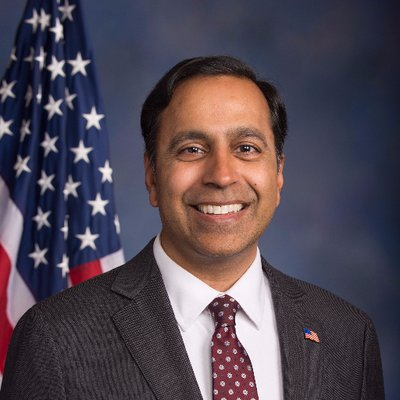
US lawmakers from both parties have expressed approval for the recent trade agreement between the United States and India, hailing it as a significant development in the relationship between the two largest democracies globally. Indian American Congressman Raja Krishnamoorthi emphasized the deal’s importance, highlighting its potential to enhance trade, energy security, and geopolitical ties. He noted that the agreement signifies a positive shift following a challenging period and stressed the mutual benefits of deepening trade relations between the two nations.
Krishnamoorthi underscored the advantages of strengthened trade with India, emphasizing the support it would provide to workers, businesses, and innovation in both countries. He also acknowledged that the deal marks a departure from previous tensions caused by extensive tariffs, allowing for a fresh start in bilateral economic cooperation. US Senator Steve Daines echoed these sentiments, describing the agreement as a significant advancement that benefits all parties involved.
Daines emphasized the economic significance of India’s market access for the US, pointing out that increased trade opportunities with India, as the world’s fourth-largest economy, would particularly benefit American agriculture and the overall economy. He also highlighted the strategic implications of India’s decision to purchase oil from the US instead of Russia, signaling a positive shift in global energy dynamics. While acknowledging the progress made, Daines noted the need for further efforts to address trade imbalances between the two countries.
Senate Foreign Relations Committee Chairman Jim Risch commended the trade deal as a notable achievement, praising President Trump for his role in facilitating the agreement. Risch emphasized India’s commitment to reducing trade barriers and highlighted the country’s significance as a close partner to the US, with a substantial diaspora presence. He also underscored the strategic value of the deal, particularly in countering Russian influence and supporting international efforts to address conflicts like the situation in Ukraine.
Senator Lindsey Graham connected the trade agreement to broader geopolitical strategies, particularly in relation to pressuring Russia. Graham commended the efforts to diversify energy sources away from Russia, emphasizing the importance of such actions in influencing Moscow’s behavior. He praised India for its stance and encouraged other nations to follow suit in reducing reliance on Russian energy supplies. The trade pact reflects the shared interests of Washington and New Delhi in strengthening cooperation across trade, energy, and the Indo-Pacific region.
