


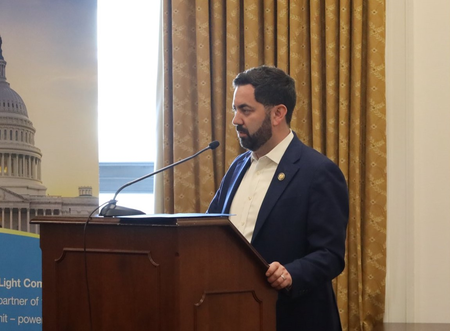
A group of bipartisan US lawmakers has unveiled a bill aimed at protecting Taiwan’s undersea cables and critical infrastructure due to increasing threats from China. The proposed Critical Undersea Infrastructure Resilience Initiative Act seeks to enhance monitoring, response capabilities, and international cooperation to secure the crucial networks connecting Taiwan globally. Representatives Mike Lawler, Dave Min, and Greg Stanton introduced the bill in the House, while Senators John Curtis and Jacky Rosen presented a companion legislation in the Senate, which has already passed a significant Foreign Relations Committee review.
The legislation focuses on implementing advanced monitoring systems to promptly identify disruptions or sabotage, as well as enhancing early warning mechanisms through global intelligence-sharing networks. It also includes provisions for swift response protocols to repair any damaged infrastructure and minimize downtime. Lawler emphasized the importance of protecting undersea infrastructure, stating that the US must take the lead in ensuring the security and resilience of these systems amidst growing threats from China. He highlighted that the bill aims to deter sabotage, respond swiftly to disruptions, and demonstrate solidarity with Taiwan and regional allies in the Indo-Pacific.
The bill also advocates for heightened maritime domain awareness around Taiwan, proposing joint patrols and surveillance efforts with the US Coast Guard in the Taiwan Strait and adjacent waters. It aims to strengthen coordination with allies to bolster regional resilience. Additionally, a significant provision establishes a Cross-Strait Contingency Planning Group to conduct scenario-based exercises, identify vulnerabilities in supply chains and infrastructure, and develop coordinated contingency plans with partners. The lawmakers framed the legislation as a response to what they termed as China’s “gray zone” tactics.
Min highlighted that China’s deliberate sabotage of Taiwan’s undersea cables is part of a strategic effort to isolate a democratic partner, emphasizing that Taiwan’s communication systems are crucial not only for its security but also for global commerce and regional stability. Stanton underscored the importance of this infrastructure for US economic interests, accusing China of targeting it as part of a broader campaign to isolate Taiwan without military action. The bill aims to impose real consequences on those responsible for sabotage and mandates sanctions against individuals found damaging undersea systems affecting Taiwan and its allies.
Furthermore, the legislation calls for increased diplomatic pressure on China to adhere to international norms and expanded public diplomacy efforts to raise awareness of such threats. Curtis stressed the need to enhance monitoring and resilience against China’s tactics to isolate Taiwan, signaling US support for Taiwan and its partners. Rosen emphasized that the targeting of undersea cables not only jeopardizes Taiwan’s national security but also global connectivity and communication, highlighting the necessity for closer collaboration to safeguard the infrastructure.
