


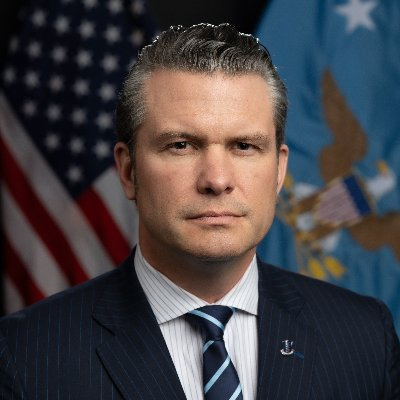
The United States has noted a shift in Iran’s negotiating approach following changes in its leadership. Secretary of War Pete Hegseth mentioned that the “new regime” in Tehran has adjusted its stance due to sustained US military pressure. This shift is attributed to the significant impact of Operation Epic Fury, leading to a reevaluation of negotiating strategies by Iran’s current leadership.
US officials highlighted that the recent leadership transition in Iran played a crucial role in the country’s decision to engage in talks and accept a ceasefire. The Pentagon briefing revealed the disruption within Iran’s top military and political circles, emphasizing the impact of recent losses on decision-making processes. The new leadership in Iran is perceived to have fewer options available, prompting them to seek a resolution through negotiations.
The US has framed Iran’s leadership change as a response to battlefield losses rather than a formal political transition. This shift has influenced Iran’s willingness to comply with US conditions, including nuclear program restrictions and the reopening of vital shipping routes. According to Hegseth, Iran understands that the agreement prevents it from acquiring nuclear weapons, indicating a significant shift in Tehran’s approach to international agreements.
Despite these developments, uncertainties persist regarding Iran’s internal dynamics, particularly concerning public sentiment and long-term governance. While expressing hope for the Iranian people to benefit from the current situation, Hegseth acknowledged past oppression under the previous regime. Notably, the US clarified that its military campaign did not aim for regime change but rather sought to address specific security concerns.
US officials reiterated readiness to respond if Iran attempts to regroup or engage in hostile activities.
