


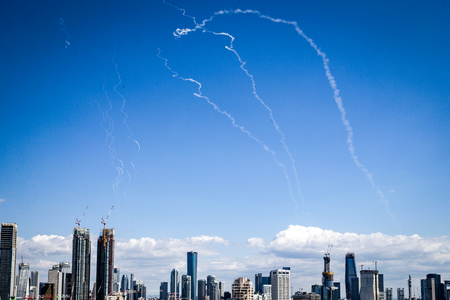
The United States has conducted a significant military operation named Operation Epic Fury, targeting more than 1,700 locations in Iran within 72 hours. This operation involved bombers, fighter jets, and missile systems, marking one of the largest direct military actions in recent times. The White House has expressed confidence that America will emerge victorious and the Iranian regime will be defeated.
The operation, which began on February 28, 2026, at 1:15 am, was initiated by the US Central Command under the President’s direction. Its primary objective is to dismantle the Iranian regime’s security apparatus by striking locations deemed to pose immediate threats. The White House has outlined four key goals, including destroying Iranian missiles, annihilating their Navy, neutralizing terrorist proxies, and preventing Iran from acquiring nuclear weapons.
CENTCOM has highlighted that the Iranian regime is utilizing mobile launchers to launch missiles indiscriminately, aiming to cause widespread harm in the region. US forces are actively targeting and eliminating these threats without hesitation. The Pentagon has confirmed that over 1,700 targets in Iran have been struck as part of this operation, which falls within the CENTCOM Area of Responsibility.
The assets deployed for Operation Epic Fury reflect its extensive scale, featuring various bombers such as B-1, B-2, and B-52, along with a range of fighter aircraft like F-15, F-16, F-18, F-22, and F-35 jets. Additionally, the operation includes missile defense systems like Patriot interceptor missiles and THAAD anti-ballistic missile systems, among others. The targets struck encompass a wide array of locations, including command centers, missile sites, naval assets, and communication facilities.
As the military operations continue, senior House Democrats have demanded detailed explanations from the administration regarding the conflict. In a letter dated March 2, lawmakers emphasized the gravity of decisions related to armed conflicts and called for clear objectives, legal justifications, and a defined strategy from the government. They also stressed the importance of addressing imminent threats, strategic objectives, regime change, nuclear security, and potential impacts on maritime security and munitions inventories.
The longstanding adversarial relationship between the United States and Iran dates back to 1979, primarily fueled by tensions surrounding Iran’s nuclear activities, ballistic missile programs, and support for armed groups in the region. The strategic significance of the Strait of Hormuz, a vital passage for global oil shipments, adds complexity to the situation, with potential disruptions posing risks to energy markets worldwide.
