


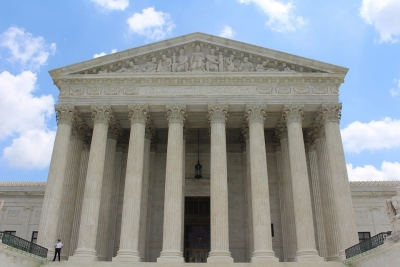
The US Supreme Court is set to hear arguments in a significant case concerning birthright citizenship, which involves President Donald Trump’s efforts to limit automatic citizenship for certain non-citizen children. This case revolves around an executive order issued by Trump, directing federal agencies to deny citizenship to children born in the US to parents in the country unlawfully or on temporary visas. The order has been blocked by lower courts, leading to a legal showdown at the highest court in the nation.
At the core of the dispute lies the interpretation of the 14th Amendment, which grants citizenship to those born in the US and “subject to the jurisdiction thereof.” Trump has defended his policy, arguing that the Constitution was not intended to apply to all children born on US soil, especially those born to parents without permanent legal status. He criticized the current system in a post on Truth Social, stating that it allows foreign nationals to obtain citizenship for their children through payment.
Opponents of the order, including civil rights groups and several states, argue that longstanding legal precedent supports birthright citizenship and that the executive branch cannot override the Constitution. The outcome of this case could have far-reaching implications on immigration policy and the legal definition of citizenship, potentially impacting thousands of births annually. Legal observers anticipate that the Supreme Court’s ruling, expected later this year, could be a pivotal constitutional decision with long-lasting consequences.
