


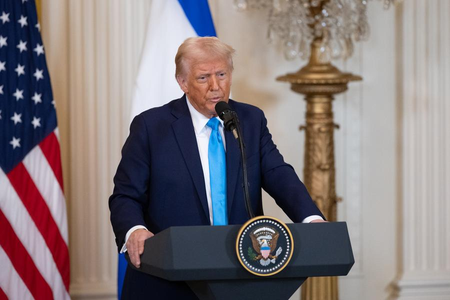
The United States is set to enforce tariffs up to 100% on imported patented pharmaceuticals, as President Donald Trump highlights national security concerns and dependence on foreign supply chains. The move, outlined in a recent proclamation, aims to address the threat posed by the significant importation of pharmaceuticals and related ingredients to the US national security. Specifically targeting patented drugs and active pharmaceutical ingredients (APIs), the administration emphasizes the critical importance of these products for civilian healthcare and military readiness.
Most imported patented pharmaceuticals will be subject to a 100% ad valorem duty under the new order. However, companies committing to relocating production to the US can benefit from a reduced 20% tariff initially, which will eventually increase to 100% after a four-year period. The proclamation also introduces varied tariff rates for different trading partners, with the European Union, Japan, South Korea, and Switzerland facing lower tariffs around 15%. Certain specialized categories like orphan drugs, nuclear medicines, and gene therapies will remain exempt from these tariffs.
Generic drugs and biosimilars are currently excluded from the tariff regime. The policy explicitly states that generic pharmaceuticals and associated ingredients will not be subjected to tariffs at this time. This strategic move is part of a broader initiative to enhance domestic pharmaceutical manufacturing and secure supply chains, with a focus on long-term restructuring of production processes. US Trade Representative Jamieson Greer highlighted the importance of securing supply chains through agreements with countries and companies to ensure production within the US.
The phased implementation of tariffs will commence on July 31, 2026, with certain companies facing adjusted timelines based on existing agreements. This decision is anticipated to have significant implications on global pharmaceutical trade, particularly for countries like India and China, major producers of generic medicines and active pharmaceutical ingredients globally. While generics are currently exempt, the potential expansion of tariffs in the future could impact global drug pricing and supply chains, affecting various stakeholders in the pharmaceutical industry.
