


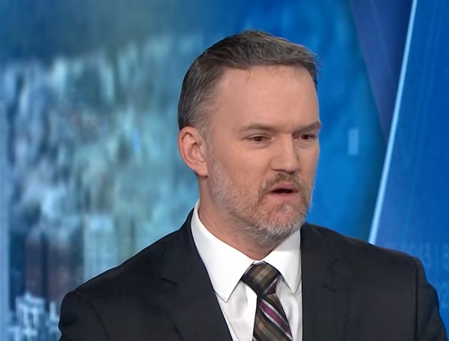
US Trade Representative Jamieson Greer stated that while the US is somewhat insulated from supply chain disruptions related to tensions in the Strait of Hormuz, key Asian economies are feeling the effects. Greer highlighted the importance of domestic sourcing and supply from regional partners for the US.
He acknowledged the broader global consequences, especially for Asia, where supplies are under strain. Greer emphasized the need to monitor the situation closely due to the critical role of the Strait of Hormuz in transporting essential commodities like oil and gas.
Greer refrained from providing a specific timeline for stabilization, indicating a flexible approach in dealing with the situation over the coming weeks. He outlined US objectives concerning Iran, focusing on military actions to prevent the country from acquiring nuclear weapons.
Regarding trade relations with China, Greer expressed optimism for stability and continuity in the upcoming year. He mentioned ongoing discussions with Chinese officials to address structural trade issues and prepare for future leadership talks.
Greer criticized the World Trade Organization’s (WTO) limitations in addressing modern trade imbalances, citing challenges in reform efforts. He highlighted the need for trade mechanisms to manage flows effectively and promote US exports in key sectors.
