


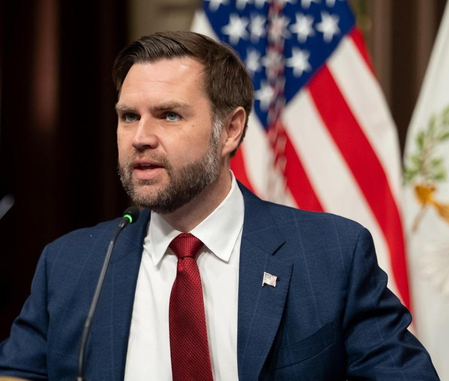
US Vice President J D Vance disclosed that negotiations with Iran in Islamabad concluded without reaching an agreement after over 20 hours of discussions. Vance expressed disappointment over Tehran’s refusal to accept Washington’s terms, emphasizing that it is more detrimental to Iran than to the United States. Despite outlining clear positions, US negotiators were unable to secure Iran’s acceptance of the terms presented.
Vance reiterated the primary US goal of preventing Iran from obtaining nuclear weapons capability. He stressed the necessity for Iran to commit to refraining from pursuing nuclear weapons and the associated technologies for long-term assurance. The Vice President highlighted the importance of receiving a lasting commitment from Iran, rather than temporary assurances.
Although the talks ended without a deal, Vance praised the US’s flexible and sincere approach, carried out under the President’s directives. He mentioned the extensive coordination with the US leadership throughout the negotiations, indicating consistent communication with the President and the national security team. Washington presented what it considers its final proposal, expressing hope for a positive outcome.
The failed negotiations represent a setback in the diplomatic efforts to address Iran’s nuclear program, a longstanding point of contention between the two nations. Previous discussions have faced challenges related to verification methods, sanctions relief, and the extent of Iran’s enrichment activities.
