


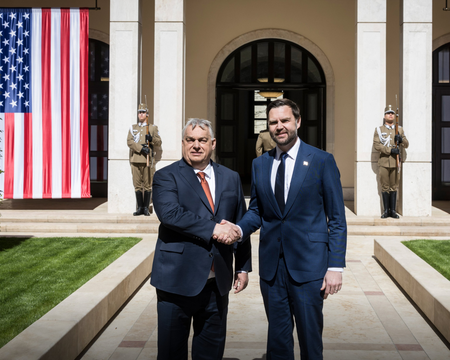
The United States has cautioned Iran that it can inflict significantly more harm if Iran does not alter its current path. Vice President J D Vance emphasized that the ball is now in Iran’s court during a press conference in Budapest with Hungarian Prime Minister Viktor Orbán. Vance indicated that the situation has reached a critical juncture, with the next steps hinging on Iran’s response. He expressed confidence in eliciting a response from Iran, expecting clarity from Tehran by a specified deadline.
US actions towards Iran have been measured, with targeted strikes and a deliberate avoidance of escalating tensions towards vital energy infrastructure. Vance clarified that the US will refrain from targeting energy and infrastructure sites until Iran presents a proposal acceptable to the US or fails to do so. However, he underscored that more robust options are on the table if diplomatic efforts prove futile. The decision to employ these options lies with the US President, contingent on Iran’s behavior.
Vance framed the conflict with Iran in economic terms, accusing Iran of attempting to exert maximum economic pressure on global markets. Washington’s primary goal is to safeguard global energy supplies and prevent disruptions. Vance criticized European energy policies, labeling it a significant error to sever ties with Eastern oil and gas suppliers. He argued that such decisions have compromised energy security, emphasizing the need for stronger energy strategies to reduce external dependencies.
Orbán, echoing Vance’s concerns, cautioned about an impending energy crisis in Europe marked by escalating prices and potential shortages of oil and gas. He highlighted the importance of collaboration with the US to bolster Hungary’s energy security amidst growing geopolitical tensions.
