


Vaccination, screening, and early treatment are crucial in the battle against cervical cancer in India, where a woman succumbs to this disease every eight minutes. January is globally recognized as Cervical Cancer awareness month. The Human Papillomavirus (HPV) is the primary cause of cervical cancer, infecting the cervix, which is the entrance to the uterus. While an HPV infection does not automatically lead to cancer, testing or screening is necessary to check for any cervical changes.
Cervical cancer and breast cancer are the most prevalent cancers affecting women, with one woman in India dying every eight minutes due to cervical cancer. This high mortality rate underscores the importance of timely screening and vaccination. Dr. Sujata Pathak, a Scientist in Preventive Oncology at IRCH, AIIMS Delhi, emphasized that cervical cancer is preventable through screening or vaccination, with a nearly 100% success rate if done correctly.
Experts highlight that lack of awareness contributes to the significant burden of cervical cancer in India. Dr. Rahul D. Modi, a gynaecologic oncologist at a Delhi-based hospital, stated that cervical cancer prevention is a success story in modern medicine, primarily preventable through a combination of vaccination, screening, and early treatment. The burden of the disease remains high in India due to insufficient awareness levels.
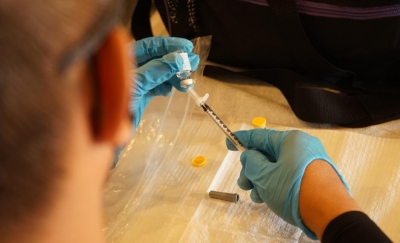
The HPV vaccine, available since 2006, has low awareness levels in India despite its effectiveness. Dr. Pathak mentioned that the WHO’s recognition of cervical cancer as a major public health concern has increased awareness. Vaccination, recommended for adolescents before sexual activity initiation, can prevent the majority of cervical cancer cases by guarding against the most oncogenic HPV types.
Girls aged 9 to 14 years should receive the HPV vaccine in two doses, while those older require three doses. Even a single dose, according to the WHO, can provide protection for up to 20 years. Besides vaccination, maintaining good menstrual hygiene and overall immunity is crucial. In most cases, HPV infections clear on their own within two years. Screening through tests like pap smears and HPV DNA testing is vital in detecting precancerous changes early.
Cancer typically takes 15-20 years to develop, allowing ample time for screening and intervention. Symptoms of cervical cancer appear late, often indicating advanced stages. Symptoms like post-menopausal bleeding, abnormal bleeding, excessive discharge, or abdominal and lower back pain should not be ignored, as they may signal cervical cancer. AIIMS Delhi has initiated a month-long free screening program for cervical cancer.
