


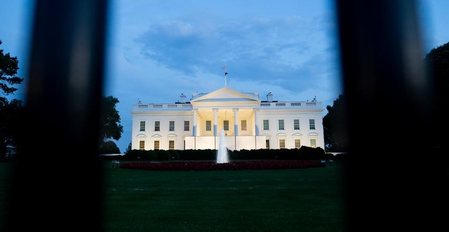
The White House utilized Pakistan as a crucial intermediary to engage with Iran for a temporary ceasefire, emphasizing Islamabad’s significant but disputed role in delicate diplomatic negotiations, as per the Financial Times, London. Under the Trump administration, efforts were made to persuade Tehran through Islamabad to agree to a halt in hostilities linked to reopening the Strait of Hormuz. Pakistan’s strategic position as a Muslim-majority neighbor was deemed essential in making the US-supported initiative more palatable to Iran.
Pakistan’s army chief, Field Marshal Asim Munir, spearheaded the initiative and worked closely with senior US officials. As the deadline loomed, Munir engaged in discussions with President Donald Trump, Vice-President JD Vance, and special envoy Steve Witkoff, while Pakistani representatives facilitated communication of proposals between Washington and Tehran. Islamabad conveyed a 15-point plan drafted by the US and relayed Iran’s responses, which included counter-proposals of five and ten points. Diplomats noted that Iran gradually showed willingness to restrict certain aspects of its nuclear program, but this progress was achieved only through sustained behind-the-scenes negotiations.
The diplomatic efforts led to a two-week ceasefire declared by the US, Iran, and Israel, despite Trump’s public escalation of rhetoric, where he cautioned about the potential destruction of Iran’s civilization if his conditions were not met. In a separate account, The New York Times highlighted that Pakistan’s public statements were in alignment with Washington’s stance. Pakistan Prime Minister Shehbaz Sharif’s social media plea for an extension of Trump’s deadline was vetted by the White House before being shared, indicating a deeper level of coordination than publicly acknowledged. The message, portraying diplomacy as advancing resolutely and forcefully, was endorsed by the White House prior to its release, signaling active diplomatic involvement behind the scenes amid outwardly confrontational rhetoric, as reported by The New York Times.
