


World food commodity prices increased in March for the second consecutive month, mainly attributed to higher energy prices associated with the escalation of conflict in West Asia, as per the Food and Agriculture Organization of the United Nations (FAO). The FAO Food Price Index, which monitors monthly fluctuations in the global prices of various traded food commodities, averaged 128.5 points in March, marking a 2.4 percent rise from February and a 1.0 percent increase from a year earlier.
FAO Chief Economist Maximo Torero noted that price hikes during the conflict have been moderate, primarily driven by elevated oil prices and supported by sufficient global cereal supplies. However, if the conflict persists beyond 40 days with high input costs and current low margins, farmers may face tough decisions such as farming with fewer inputs, reducing planting, or shifting to less intensive crops, impacting future yields and shaping food supply and commodity prices for the upcoming year.
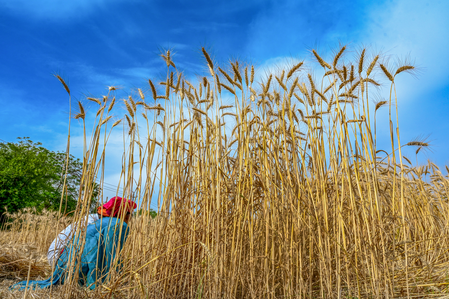
The FAO Cereal Price Index rose by 1.5 percent from the previous month, led by increased world wheat prices, up by 4.3 percent due to drought-related crop concerns in the United States and expectations of reduced plantings in Australia amid higher fertilizer expenses.
