


World leaders are working to address the escalating tensions in the Strait of Hormuz without direct US leadership, as differences deepen between Washington and its European counterparts regarding the Iran conflict and its global implications. Countries reliant on Gulf energy resources are striving to reopen the crucial waterway, expressing frustration with the US stance on the issue. The United Kingdom recently led a meeting with over 40 nations to coordinate efforts in restoring maritime traffic through the strait, holding Iran accountable for the disruption of global trade.
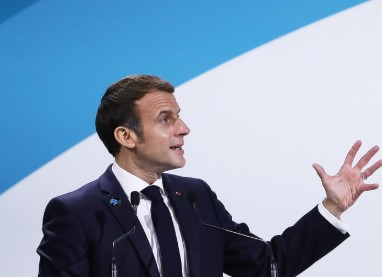
The gathering also highlighted significant rifts within the Western alliance, with French President Emmanuel Macron openly opposing US requests for military support and emphasizing the need for a collective decision-making process. European leaders have favored diplomatic and economic measures over military actions to resolve the crisis, deeming military solutions impractical and hazardous. Bahrain has introduced a Security Council resolution at the United Nations to safeguard commercial shipping in the region, facing opposition notably from China.
The discord among nations mirrors a broader fracture in trans-Atlantic relations, with the Iran conflict serving as a pivotal moment in straining ties between the US and Europe. President Donald Trump has expressed dissatisfaction with European allies for their reluctance to engage in the conflict, raising concerns about the future of NATO and the solidarity of the alliance. Trump’s statements have varied on the responsibility for reopening the Strait, initially urging Gulf-dependent countries to take the lead while later hinting at potential US intervention for economic gains.
Iran has tightened control over the Strait through military threats and selective passage permissions, along with proposing tolls for vessel passage, intensifying the disruption in the region. Governments are engaging in contingency planning, collaborating with shipping companies, and exploring sanctions to pressure Tehran. Humanitarian issues are emerging, prompting the United Nations to establish a task force to address shortages of essential supplies caused by the blockage. Ukrainian President Volodymyr Zelensky has advocated for separate negotiations on energy and war matters to stabilize the situation.
The ongoing diplomatic efforts underscore the uncertainties surrounding the conflict’s duration and the lack of a clear US exit strategy, reflecting the complexities and challenges in resolving the crisis.
