


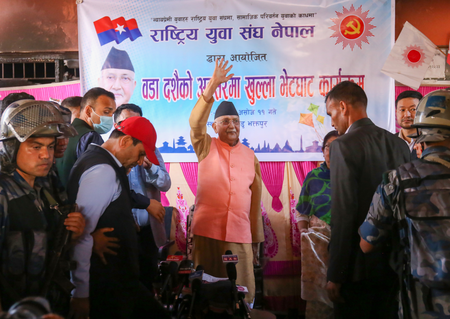
Two youth-led protests in South Asia have resulted in regime changes in Bangladesh and Nepal, countries bordering India. In Bangladesh, former Prime Minister Sheikh Hasina is in exile with a death sentence looming over her, while her party has been banned. In Nepal, deposed Prime Minister K.P. Sharma Oli is contesting in the upcoming election.
Amrita Ban, a 23-year-old activist in Kathmandu, emphasized the importance of abiding by the constitution and the law, despite personal feelings towards political figures. The youth-led ‘Gen Z Movement’ in Nepal in 2025 was sparked by a ban on major social media platforms and evolved into a nationwide protest against corruption, unemployment, censorship, and political stagnation.
The movement, driven by young people’s digital literacy and global awareness, highlighted frustrations with systemic inequality and lack of opportunities. Despite facing crackdowns, protesters continued to advocate for transparency, free speech, and democratic reform, marking a significant moment in Nepal’s modern history.
Balram Kharke, a 25-year-old activist in Nepal, is actively involved in coordinating Gen Z activists in support of Balendra Shah, a candidate challenging Oli in the upcoming election. Kharke emphasized the importance of upholding the rule of law and allowing individuals to contest elections until proven guilty in a court of law.
The contrasting fates of the deposed leaders in Bangladesh and Nepal reflect the diverse political landscapes in South Asia, with Sheikh Hasina facing a death sentence in absentia and her party being banned, while Oli continues to participate in the democratic process despite previous controversies.
