
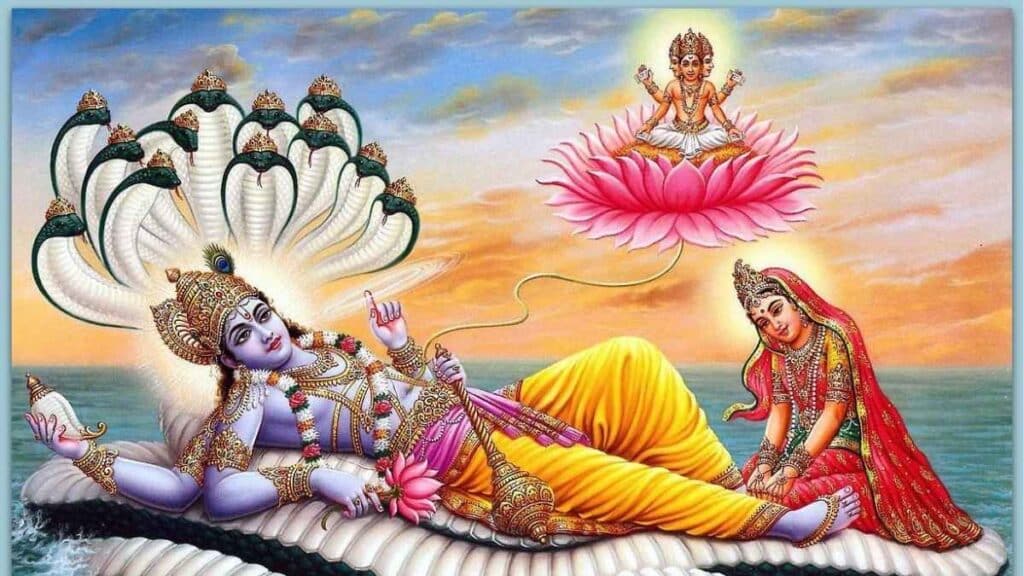
Nirjala Ekadashi is one of the most spiritually significant days in the Hindu calendar — a day of complete waterless fasting observed in honour of Lord Vishnu. Known as the most austere of all 24 Ekadashis, it falls on the 11th lunar day of the bright fortnight of the Hindu month of Jyeshtha (May/June). The name itself says it all: Nir (without) + Jala (water) — a fast so strict that even drinking water is prohibited.
What makes Nirjala Ekadashi exceptional is its unique spiritual promise: observing this single Ekadashi is believed to grant the combined merit of all 24 Ekadashis in the year. This makes it especially meaningful for devotees who cannot observe every Ekadashi due to health, work, or other commitments. The fast is observed from sunrise on Ekadashi to sunrise the following day, accompanied by Vishnu puja, night-long prayer vigils, and charitable giving.
Nirjala Ekadashi is primarily observed by Hindus across India, Nepal, and the global Indian diaspora. It holds particular importance among Vaishnavas — devotees of Lord Vishnu — and is widely observed in communities across the USA, UK, UAE, Canada, Australia, and Singapore through temple events and community gatherings.
When Is Nirjala Ekadashi in 2026?
Nirjala Ekadashi falls on the Ekadashi tithi (11th lunar day) of Shukla Paksha (waxing fortnight) of the Hindu month of Jyeshtha, which typically occurs in May or June.
Nirjala Ekadashi 2026 in India
- Vrat Day: Thursday, 25 June 2026
- Ekadashi Tithi Begins: 6:12 PM on 24 June 2026
- Ekadashi Tithi Ends: 8:09 PM on 25 June 2026
- Parana (Fast-Breaking): 26 June 2026, between 5:25 AM – 8:13 AM IST
- Dwadashi End Moment on Parana Day: 10:22 PM on 26 June 2026
Table of Contents
Nirjala Ekadashi In USA, Canada, Australia, New Zealand, UK, UAE, Singapore 2026 Dates
Nirjala Ekadashi on Thursday, June 25, 2026
- On 26th Jun, Parana Time – 05:26 AM to 08:27 AM
- On Parana Day Dwadashi End Moment – 12:52 PM
Nirjala Ekadashi on Thursday, June 25, 2026
- On 26th Jun, Parana Time – 05:38 AM to 08:43 AM
- On Parana Day Dwadashi End Moment – 12:52 PM
Nirjala Ekadashi on Thursday, June 25, 2026
- On 26th Jun, Parana Time – 07:13 AM to 09:10 AM
- On Parana Day Dwadashi End Moment – 02:52 AM, Jun 27
Nirjala Ekadashi on Thursday, June 25, 2026
- On 26th Jun, Parana Time – 04:45 AM to 08:04 AM
- On Parana Day Dwadashi End Moment – 05:52 PM
Nirjala Ekadashi on Thursday, June 25, 2026
- On 26th Jun, Parana Time – 05:31 AM to 08:16 AM
- On Parana Day Dwadashi End Moment – 08:52 PM
Nirjala Ekadashi on Thursday, June 25, 2026
- On 26th Jun, Parana Time – 07:02 AM to 09:28 AM
- On Parana Day Dwadashi End Moment – 12:52 AM, Jun 27
Why Does Nirjala Ekadashi Date Change Every Year?
Nirjala Ekadashi is calculated based on the Hindu lunisolar calendar, not the Gregorian calendar. It falls on the Ekadashi tithi of Jyeshtha Shukla Paksha, and since lunar months are shorter than solar months, the date shifts by approximately 10–11 days each year, landing somewhere in May or June. In some years, Nirjala Ekadashi coincides with Ganga Dussehra, making that day doubly auspicious.
Nirjala Ekadashi — Other Names and Regional Identities
Nirjala Ekadashi is known by several names across India’s languages and traditions:
- Nirjala Ekadashi (Sanskrit: निर्जला एकादशी) — the standard name, meaning “waterless Ekadashi”
- Pandava Ekadashi / Pandava Nirjala Ekadashi — named after the five Pandava brothers
- Bhima Ekadashi / Bhimseni Ekadashi — named for Bhima, whose legend defines this fast
- Jyeshtha Shukla Ekadashi — the calendrical Panchang name
In regional languages: Hindi/Sanskrit: निर्जला एकादशी | Gujarati: નિર્જળા એકાદશી | Marathi: निर्जला एकादशी | Bengali: নির্জলা একাদশী | Tamil: நிர்ஜல ஏகாதசி | Telugu: నిర్జల ఏకాదశి
In the global Indian diaspora, it is often simply called “the big Ekadashi” — widely recognised even among those who don’t observe all 24.
Origins, History, and Legends of Nirjala Ekadashi
Nirjala Ekadashi has its origins in the ancient Hindu epic Mahabharata and is elaborated in the Brahma Vaivarta Purana. The central legend revolves around Bhima — the second of the five Pandava brothers — celebrated for his extraordinary physical strength and equally extraordinary appetite.
While his brothers Yudhishthira, Arjuna, Nakula, and Sahadeva, and their wife Draupadi faithfully observed every Ekadashi throughout the year, Bhima simply could not control his hunger. Deeply troubled by this — feeling he was failing in his duty to Lord Vishnu — Bhima approached the sage Vyasa, author of the Mahabharata, for a solution.
Vyasa, understanding Bhima’s sincere distress, offered a compassionate path: observe just one Ekadashi in the year, but observe it completely — with no food and no water. That Ekadashi was Nirjala. Vyasa assured Bhima that this single, absolute fast would grant the merit of all 24 Ekadashis combined. Bhima accepted, observed it with full devotion, and attained both spiritual merit and Vishnu’s grace.
This is why Nirjala Ekadashi is also called Bhima Ekadashi — a tribute to one hero’s honest struggle and his sincere path to spiritual growth.
Cultural and Spiritual Significance
According to the Markandeya Purana and Vishnu Purana, the day of Ekadashi is itself a manifestation of Lord Vishnu. Nirjala Ekadashi amplifies this sacred quality many times over.
Spiritually, the fast is believed to wash away accumulated sins, bring Vishnu’s grace, and grant the observer longevity and moksha (liberation). Most strikingly, tradition holds that those who observe Nirjala Ekadashi faithfully bypass Yama’s judgment after death — instead, Vishnu’s own messengers carry the soul directly to Vaikuntha, Vishnu’s celestial abode.
Beyond theology, Nirjala Ekadashi carries a powerful human message: self-discipline, sincere intention, and the courage to turn inward — even if just for one day — matter deeply. The fact that the fast falls in the peak Indian summer, when withholding water is genuinely difficult, makes the act of devotion all the more meaningful.
Prayers and Religious Observances
Nirjala Ekadashi follows a structured ritual sequence beginning the evening before and extending through the following morning.
Eve of Ekadashi (Dashami evening): The devotee performs Sandhyavandanam (evening prayers) and takes one simple meal, avoiding rice — as rice eating is prohibited on and before Ekadashi.
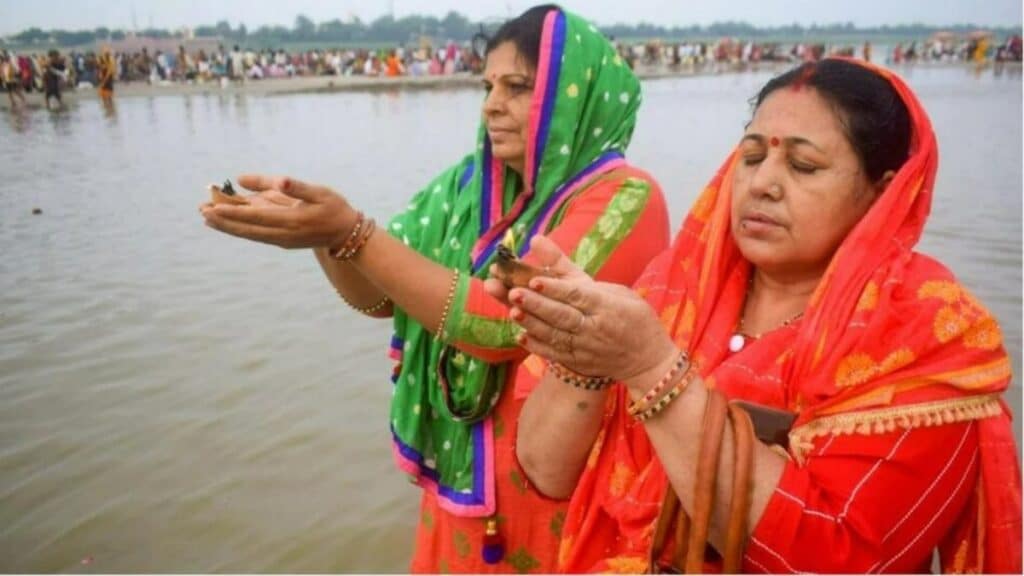
On Ekadashi day: The devotee wakes before sunrise, bathes, and begins the absolute fast — no food, no water. An image of Lord Vishnu or a Shaligrama stone is ceremonially bathed with Panchamrita (a mixture of milk, curd, ghee, honey, and sugar), then adorned with flowers, incense, and lamp offerings. In the evening, worship is performed with durva grass in hand.
Night vigil: Devotees remain awake through the night, chanting Vishnu Sahasranama, singing bhajans, or meditating on Vishnu’s form.
Parana (breaking the fast): The fast is broken on Dwadashi morning (26 June 2026) within the prescribed window of 5:25 AM – 8:13 AM IST. Parana must occur within the Dwadashi tithi. The fast should not be broken during Hari Vasara (the first quarter of Dwadashi) and is ideally done during Pratahkala (early morning).
Charity: Donating to Brahmins and the needy is integral — traditional gifts include clothes, food grains, umbrellas, hand-fans, and pitchers filled with water, which carry special symbolism since the devotee has gone without water all day.
How Nirjala Ekadashi Is Celebrated Across India
While the essence of the fast is consistent, celebrations vary across regions. In Vrindavan and Mathura, the occasion draws pilgrims from across the country — temples conduct elaborate abhisheka rituals and all-night kirtans. In Varanasi, devotees combine the Ekadashi fast with a ritual dawn dip in the Ganges.
In Rajasthan, a deeply rooted tradition called Pyau — distributing clay pots of water to travellers and the poor — expresses the spirit of the day beautifully: withholding water from oneself while offering it generously to others. In Gujarat and Maharashtra, Vaishnava communities organise communal temple events and charitable donation drives. South Indian Vaishnava communities in Tamil Nadu and Andhra Pradesh observe it as Nirjala Ekadasi with elaborate temple rituals dedicated to Lord Perumal (Vishnu).
Participation Across Religions in India
Nirjala Ekadashi is a specifically Hindu — and particularly Vaishnava — observance. However, the spirit of charitable giving that defines the day resonates beyond religious lines. In syncretic communities across Rajasthan and Gujarat, water and food distribution drives on this day draw broad participation, as the humanitarian gesture of offering relief from summer heat carries universal meaning regardless of faith.
How Nirjala Ekadashi Is Celebrated Outside India
The Indian diaspora observes Nirjala Ekadashi as one of the most seriously kept Ekadashis of the year. ISKCON temples in New York, Los Angeles, Toronto, Houston, London, Dubai, Singapore, and Sydney conduct special programmes — including overnight kirtans, Vishnu abhisheka, and Ekadashi feasts on parana day. For communities where mid-week observance is difficult, temple events are often held on the nearest weekend.
In the UK, the Gujarati Vaishnava community across Leicester, London, and Birmingham observes the fast with particular dedication. In the UAE, the waterless fast in Dubai and Abu Dhabi’s extreme June heat — often above 40°C — makes the observance especially resonant. In Australia and New Zealand, Hindu community centres hold evening bhajan gatherings, with parana falling on 27 June due to the time difference.
Nirjala Ekadashi Gifting Traditions
Gifting on Nirjala Ekadashi is an act of spiritual merit rather than social exchange. The most traditional and meaningful gift is water — specifically, pitchers or vessels filled with cool water offered to the thirsty and the poor, symbolising selfless generosity at the very moment the giver is themselves going without. Other traditional gifts include umbrellas, cotton clothing, hand-fans, food grains, and donations to temples.
In contemporary diaspora practice, many families donate to water access charities or sponsor food relief drives in India on this day — a modern expression of the same classical spirit.
Nirjala Ekadashi Foods and Culinary Traditions
The defining food tradition of Nirjala Ekadashi is the complete absence of both food and water during the fast — the most austere of all Ekadashi observances.
Eve of the fast (Dashami): One simple, sattvic meal avoiding rice — typically wheat rotis, mild lentil preparations, and fruits.
Parana day feast: After breaking the fast at sunrise on 26 June, devotees enjoy Ekadashi-appropriate foods. Popular parana dishes include sabudana khichdi, kuttu ki puri (buckwheat bread), makhana kheer, fresh fruits, dairy preparations, and water with tulsi leaves — the first sip of water after 24 hours, received with deep gratitude. ISKCON temples offer elaborate grain-free Ekadashi feasts prepared with water chestnut flour, tapioca, potatoes, and dairy. while maintaining ingredient authenticity, accepting gas stoves when wood is unavailable.
Music, Art, and Cultural Expression
The overnight vigil (Jagaran) is the cultural heart of Nirjala Ekadashi night. Devotees spend the dark hours in bhajan and kirtan, chanting Vishnu Sahasranama and devotional compositions. In Vrindavan and Mathura, professional musicians, classical singers, and kathak performers present devotional works through the night. Some temples stage dramatic enactments of the Bhima-Vyasa legend.
In South India, Harikatha — devotional storytelling through music and narrative — marks the occasion. Contemporary Vaishnava artists release Nirjala Ekadashi-specific content on YouTube and streaming platforms, making the spiritual experience accessible globally.
Modern Observance and Evolving Practices

In contemporary India and across the diaspora, Nirjala Ekadashi remains one of the most seriously observed Ekadashis — even among those who don’t follow all 24. Its status as the “super Ekadashi” that grants the merit of all makes it a meaningful annual commitment for working professionals, busy parents, and second-generation Indians reconnecting with their faith.
Health-conscious observers sometimes adapt the fast by consuming water when medically necessary while maintaining the food fast. Ayurvedic practitioners acknowledge the digestive benefits of a one-day fast, though health consultation is always advised before a strict waterless fast.
Social media has become an important channel for community observance — #NirjalaEkadashi and #BhimaEkadashi trend within Indian communities on X and Instagram, with shared parana timings, devotional content, and fasting check-ins bringing together observers across time zones.
How to wish someone on Nirjala Ekadashi: “Nirjala Ekadashi ki shubhkamnayein” is the traditional Hindi greeting. “Jai Shri Hari” is equally heartfelt. In English, simply — “Wishing you a blessed Ekadashi.”
Cultural Reflection
Nirjala Ekadashi endures because its central story is deeply human. Bhima — mighty, honest, and genuinely struggling — didn’t pretend to be perfect. He found a path suited to who he was, observed it with full sincerity, and was met with grace. That story resonates across generations precisely because it asks not for perfection, but for one day of genuine devotion.
In an age of constant distraction, choosing 24 hours of complete stillness, restraint, and spiritual focus is itself a profound act. Whether observed in a temple in Vrindavan, a flat in London, or a home in Singapore, Nirjala Ekadashi offers the same quiet invitation: step outside ordinary comfort, turn inward, and reach toward something larger than yourself.