
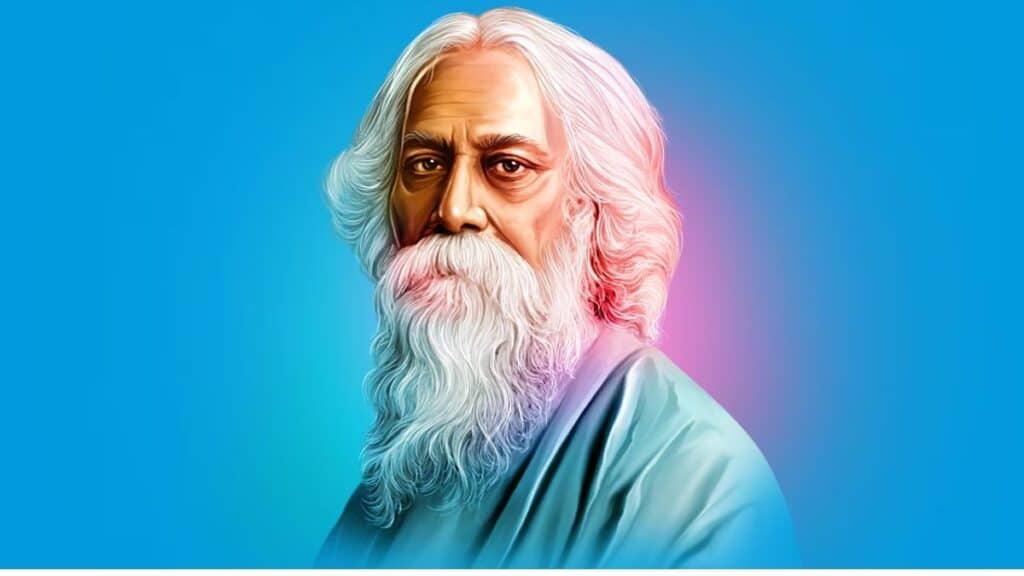
Rabindra Jayanti, also known as Pochishe Boishakh or Rabindranath Tagore Jayanti, is one of the most beloved cultural festivals of Bengal and the Bengali-speaking world. Observed every year on the 25th day of the Bengali month of Boishakh — falling in early May — the day marks the birth anniversary of Rabindranath Tagore — Nobel Laureate, poet, philosopher, composer, and educational reformer. Born in 1861 at Jorasanko, Calcutta, Tagore is revered not only as a literary genius but as the soul of Bengali cultural identity and a universal voice of humanism.
The day is marked by Rabindra Sangeet performances, poetry recitations, dance dramas (Nritya Natya), Kabipranam ceremonies, and floral tributes across West Bengal, Tripura, Bangladesh, and among Bengali communities worldwide. Beyond Bengal, the Indian diaspora observes Rabindra Jayanti as an expression of language, heritage, and shared literary pride.
When Is Rabindra Jayanti Celebrated in 2026?
Rabindra Jayanti is observed on the 25th day of Boishakh in the Bengali calendar — known as Pochishe Boishakh. In 2026, this date falls on Saturday, May 9 in West Bengal, Tripura, and Bangladesh. Across the rest of India, many institutions also observe May 7 — Tagore’s Gregorian birth date — marking his 165th birth anniversary.
Table of Contents
Rabindra Jayanti In USA, Canada, Australia, New Zealand, UK, UAE, Singapore 2026 Dates
Rabindra Jayanti falls on Saturday, May 9
Rabindra Jayanti falls on Saturday, May 9
Rabindra Jayanti falls on Saturday, May 9
Rabindra Jayanti falls on Saturday, May 9
Rabindra Jayanti falls on Saturday, May 9
Shiv Jayanti falls on Thursday, February 19
Rabindra Jayanti Overview
Rabindra Jayanti is a cultural festival that honours the birth of Rabindranath Tagore — poet, novelist, playwright, composer, painter, and philosopher. It is the single most important occasion for the celebration of Rabindra Sangeet, Tagore’s body of 2,232 compositions that form the living heart of Bengali musical culture.
The festival is not a religious observance but a deeply humanist and cultural one. It is celebrated by people of all faiths and communities — in schools, universities, cultural clubs, open-air stages, and homes — through song, poetry, dance, and reflection on Tagore’s life and thought. For Bengali communities worldwide, Rabindra Jayanti is a moment of shared cultural identity and the most meaningful annual occasion to pass on language, music, and values to the next generation.
Rabindra Jayanti Other Names and Regional Identities
Rabindra Jayanti is known by several names across communities:
- Pochishe Boishakh — the most emotionally resonant name in West Bengal and Bangladesh, meaning “the 25th of Boishakh.” This is how the day is felt — not as a formal anniversary but as a date alive with meaning.
- Rabindra Jayanti — the widely used name across India and the diaspora.
- Rabindranath Tagore Jayanti — the formal name used in official and institutional contexts.
- Tagore Jayanti — common in English-language media and diaspora usage.
In Bengali script: রবীন্দ্র জয়ন্তী / পঁচিশে বৈশাখ In Hindi: रबीन्द्र जयंती In Odia: ରବୀନ୍ଦ୍ର ଜୟନ୍ତୀ In Assamese: ৰবীন্দ্ৰ জয়ন্তী
Tagore was known by several sobriquets that appear in Jayanti programs: Gurudev (revered teacher), Kabiguru (poet-guru), Biswakabi (world poet), and Bard of Bengal. His pen name was Bhanu Singha Thakur (Bhonita). These names and their meanings are recited at cultural events as part of the tribute.Marathis hold for his kingship. In the Indian diaspora — particularly in the UK, USA, Canada, and Australia — Marathi cultural organizations use the full formal name to preserve this legacy.
The Origins, History, and Legends of Rabindra Jayanti
Birth at Jorasanko
Rabindranath Tagore was born on May 7, 1861, in the Jorasanko Thakurbari — the ancestral mansion of the Tagore family in north Calcutta, now preserved as a museum. He was the fourteenth child of Debendranath Tagore, a philosopher and leader of the Brahmo Samaj, and Sarada Devi. The Tagore household was a hub of the Bengal Renaissance — a centre of literary, musical, artistic, and spiritual activity that shaped 19th-century Indian intellectual life.
A child prodigy, Tagore disliked formal schooling and was educated largely at home and in nature. He wrote his first poem at age eight and his first substantial verse at sixteen, published under the pen name Bhanu Singha.
Nobel Prize and Global Recognition
In 1913, Tagore became the first non-European to win the Nobel Prize in Literature, awarded for his collection Gitanjali (Song Offerings) — a series of prose poems that moved readers across the world with their spiritual depth and lyrical beauty. The Nobel Prize brought Tagore to international attention and opened a remarkable chapter of global engagement. He lectured across Europe, the Americas, Southeast Asia, and Japan, befriending figures such as W.B. Yeats, Albert Einstein, and Romain Rolland.
He was knighted by the British Crown in 1915 — an honour he renounced in 1919 following the Jallianwala Bagh massacre, in a gesture of moral clarity that resonated deeply across India.
Visva-Bharati and Educational Vision
In 1921, Tagore founded Visva-Bharati University in Santiniketan, Birbhum, West Bengal. Conceived as an ashram school where learning happened outdoors — in direct contact with nature, arts, and diverse cultures — Visva-Bharati embodied his belief that education should be a joyful encounter with life, not rote memorization within four walls. The institution remains a functioning university today and is central to Rabindra Jayanti celebrations worldwide.
Early Celebrations and Official Recognition
Formal public observance of Rabindra Jayanti dates to Tagore’s own lifetime, initiated by the Brahmo Samaj and Bengali cultural associations. After his death in 1941, observance deepened across West Bengal and Bangladesh, becoming the most significant cultural occasion in the Bengali calendar. The Government of West Bengal declared it an official state holiday. In 2011, the Government of India issued a commemorative five-rupee coin to mark the 150th birth anniversary.
Cultural and Spiritual Significance of Rabindra Jayanti
Rabindra Jayanti carries significance at multiple levels. For Bengal and Bangladesh, it is the anchor of cultural identity — the day when the Bengali language, Rabindra Sangeet, and literary heritage are most publicly and collectively celebrated.
Tagore’s philosophy — often called Rabindra’s humanism — drew from Upanishadic spirituality, Baul folk traditions, Vaishnava Bhakti poetry, and Western Romanticism. He believed in the unity of humanity, the dignity of the individual, and the transformative power of beauty, art, and education. His concept of jibon devata — the “life deity” within each person — gave his spirituality an intimate, non-sectarian character accessible to people of all faiths.
Politically, Tagore’s legacy is principled and complex. He opposed narrow nationalism while supporting India’s freedom, and rejected the communal divisions that fractured the subcontinent. His unique distinction — writing the national anthems of both India (Jana Gana Mana) and Bangladesh (Amar Shonar Bangla) — makes Rabindra Jayanti a day with genuine meaning on both sides of the border.
Prayers and Devotional Tributes on Rabindra Jayanti
Rabindra Jayanti does not follow a ritual puja structure, but its observances carry deep reverence:
Pushpanjali (Floral Tribute): Garlands and flowers are offered at portraits and statues of Tagore — in schools, cultural institutions, and homes. This is the most universal act of observance on the day.
Prabhati (Dawn Songs): Early morning programs begin with Rabindra Sangeet, often before sunrise. Songs such as Amar Sonar Bangla and Ekla Cholo Re open many programs.
Kabipranam: A ceremonial salutation to the poet — the central formal tribute of the day — involving recitation of his poetry, singing of his compositions, and prose readings from his works.
Gitanjali Readings: Passages from Gitanjali and Upanishadic texts that inspired Tagore are read at schools, cultural gatherings, and Brahmo Samaj events.
Pradip (Lamp Lighting): Lamps are lit at Jorasanko Thakurbari in Kolkata and at Visva-Bharati in Santiniketan at the start of ceremonies — a mark of homage and auspiciousness.
Abhishek at Santiniketan: Visva-Bharati University conducts its signature open-air ceremony at dawn, with students in traditional attire performing songs and tributes under the trees — the living spirit of the ashram school Tagore founded.
How Rabindra Jayanti Is Celebrated Across India
West Bengal
West Bengal is the heartland of Rabindra Jayanti celebrations. Jorasanko Thakurbari receives official floral tributes from the Government of West Bengal, Visva-Bharati, and cultural institutions from the earliest hours. Visva-Bharati University in Santiniketan hosts its world-renowned dawn celebration: students and faculty in traditional attire gather outdoors for Rabindra Sangeet, poetry, and dance drama — evoking Tagore’s vision of learning in nature. Schools, colleges, Para clubs (neighbourhood cultural associations), and sabhas across the state stage programs through the day and evening.
Tripura
Tripura observes Rabindra Jayanti as a state public holiday. Bengali communities in Agartala and across the state hold cultural programs at schools, sabhas, and community halls.
Odisha, Assam, and Other States
Bengali communities in Delhi, Bengaluru, Hyderabad, Mumbai, and other metros organize cultural evenings, Rabindra Sangeet concerts, and poetry readings through Bengali associations and cultural organizations.
Bangladesh
In Bangladesh, Pochishe Boishakh is a national cultural occasion. The Bangla Academy in Dhaka, Dhaka University, and cultural organizations across the country hold elaborate programs. Since Tagore wrote Amar Shonar Bangla — Bangladesh’s national anthem — the day carries both literary and patriotic significance, observed with particular depth across the nation.
Participation Across Religions in India
Rabindra Jayanti is inherently inclusive. Tagore’s philosophy drew from multiple spiritual traditions — Hindu Upanishadic thought, Sufi mysticism, Baul folk tradition, and Christian humanism — and he consistently opposed religious division and communal hostility.
People of all faiths participate in Rabindra Jayanti celebrations across West Bengal and Bangladesh. Muslim, Christian, and other communities attend cultural programs, perform Rabindra Sangeet, and join in Kabipranam ceremonies alongside Hindu communities. In Bangladesh, Pochishe Boishakh is observed across religious communities as a shared cultural inheritance. The festival’s humanist character makes it genuinely open — reflecting the composite, syncretic heritage that Tagore championed throughout his life.
How Rabindra Jayanti Is Celebrated Outside India
The Bengali diaspora and Indian cultural communities around the world celebrate Rabindra Jayanti through events organized by cultural associations and sabhas:
- USA: Bengali associations in New York, New Jersey, Boston, Chicago, Atlanta, Houston, and the San Francisco Bay Area organize Rabindra Sangeet performances, Nritya Natya, poetry recitations, and community dinners. Programs are often held on the nearest weekend to May 7 or May 9.
- UK: London, Birmingham, and Manchester host cultural evenings organized by Bengali associations and South Asian cultural centres. The Bengali community in East London has a particularly strong Rabindra Jayanti tradition.
- Canada: Toronto, Vancouver, and Calgary have active Bengali cultural organizations marking the day with music, poetry, and community gatherings.
- UAE: Bengali and Indian communities in Dubai and Abu Dhabi celebrate at cultural centres with Rabindra Sangeet and theatrical performances.
- Australia & New Zealand: Bengali associations in Sydney, Melbourne, Auckland, and Wellington host annual programs combining traditional performance with community gatherings.
- Germany: South Asian communities in Berlin, Frankfurt, and Munich organize cultural evenings with Rabindra Sangeet and Tagore readings.
- Singapore: The Indian and Bangladeshi diaspora hold Rabindra Sangeet evenings and poetry recitations.
Digital and global participation has expanded significantly — virtual Rabindra Sangeet concerts, collaborative online readings of Gitanjali, and livestreamed Santiniketan dawn ceremonies now reach Tagore admirers worldwide on Pochishe Boishakh.nd: Sydney, Melbourne, Auckland, and Wellington host Shiv Jayanti gatherings annually.
Rabindra Jayanti: Music, Art, and Cultural Expression
Rabindra Sangeet
Rabindra Sangeet is the living soul of Rabindra Jayanti. Tagore’s 2,232 compositions span devotional, romantic, patriotic, seasonal, and ceremonial themes and are classified into distinct categories:
- Puja (devotional songs): Deeply spiritual compositions drawing from Upanishadic and Vaishnava traditions — the most formally performed category on Rabindra Jayanti.
- Prem (love songs): Lyrical explorations of longing, beauty, and human connection — among the most widely sung.
- Prakriti (nature songs): Celebrations of rain, seasons, rivers, and the living world — beloved across all generations of Bengali listeners.
- Desh (patriotic songs): Including Amar Sonar Bangla, Jana Gana Mana, and compositions from Tagore’s nationalist poetry — sung with particular feeling on Rabindra Jayanti.
- Anushthanik (ceremonial songs): Compositions for festivals, special occasions, and life rituals.
Dance Drama (Rabindra Nritya Natya)
Rabindra Nritya Natya — Tagore’s dance dramas — are performed by classical and folk dancers, especially the works Chitrangada, Shyama, and Chandalika. These productions, combining dance, music, and poetry, are the theatrical highlight of Rabindra Jayanti programs at institutions and cultural centres.
Visual Art
Visual art inspired by Tagore’s own paintings — he began painting at age 60 and produced over 2,000 works — is exhibited at galleries and cultural spaces on this day. Digital art, social media tributes, and creative interpretations of his poetry in visual form have become a significant part of the modern Rabindra Jayanti cultural landscape.
Rabindra Jayanti’s Modern Relevance and Cultural Continuity
Rabindra Jayanti continues to grow in reach while deepening in meaning. Schools and universities integrate Tagore’s educational philosophy into classroom activities. Government institutions — Sahitya Akademi, Sangeet Natak Akademi, and Visva-Bharati — host flagship national programs. The West Bengal government organizes official state-level celebrations.
Social media carries an enormous volume of Rabindra Sangeet performances on Pochishe Boishakh each year, shared by professional musicians and enthusiastic amateurs alike. YouTube channels dedicated to Rabindra Sangeet see their highest traffic of the year on this day. Online reading groups organize collective readings of Gitanjali, Gora, and Ghare Baire in English, Bengali, and other translations.
Heritage and nature walks on Rabindra Jayanti — inspired by Tagore’s belief in the inseparability of education and the natural world — are also a growing tradition, with Santiniketan and Jorasanko drawing thousands of visitors on this day.
How to Wish Someone on Rabindra Jayanti
- “Pochishe Boishakher Shubhechha” — Warm wishes on the 25th of Boishakh (in Bengali)
- “Rabindra Jayantir Shubhechha” — Happy Rabindra Jayanti (in Bengali)
- “May the poetry, music, and wisdom of Gurudev Tagore inspire your life always.”
- “Happy Rabindra Jayanti — Jai Rabindranath!”
- “On this Pochishe Boishakh, may Tagore’s light guide your path.”
Cultural Reflection
Rabindra Jayanti endures because Rabindranath Tagore himself endures — not as a figure of the past but as a voice startlingly alive in the present. In an age of rising nationalism, he wrote against its dangers. In an age of standardized, examination-driven education, his ashram at Santiniketan offered a different vision. In an age of religious division, he drew from all traditions and belonged exclusively to none.
For Bengali communities worldwide — in Kolkata and Dhaka, in London and New York, in Sydney and Singapore — Pochishe Boishakh is the annual thread connecting them to their language, their music, and their most celebrated ancestor. It is the day to sing Rabindra Sangeet together, to read Gitanjali aloud, to pass on stories of a man who believed that beauty and truth are not luxuries but the very substance of a fully human life.
As the celebration grows — from Santiniketan’s dawn ceremony to global virtual concerts — its message remains unchanged: remember, be moved, and create.
Joye Rabindranath.