
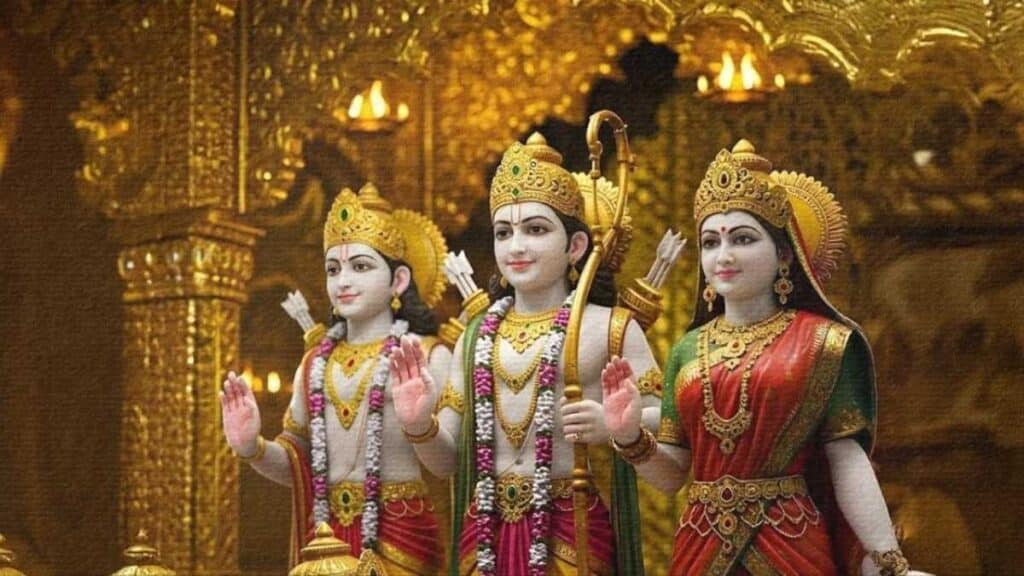
Ram Navami is one of the most significant Hindu festivals, celebrating the birth of Lord Rama, the seventh avatar of Vishnu and the embodiment of dharma (righteousness). Observed on the ninth day of Chaitra Navratri, Ram Navami marks not just a divine birth, but the arrival of values that continue to guide millions—truth, duty, compassion, and unwavering commitment to righteousness.
Unlike festivals celebrated with grand spectacle, Ram Navami carries a quieter dignity. It’s observed through fasting, prayer, scriptural readings, and temple visits. The festival doesn’t demand noise; it invites introspection. In cities like Ayodhya, temples fill with devotees who come not to perform but to connect—with tradition, with values, and with a story that has shaped Indian consciousness for millennia.
Ram Navami falls during spring, a season of renewal. The timing is symbolic: just as nature awakens from winter’s dormancy, the festival reminds devotees of the eternal return of dharma to a world that constantly needs it.
When Is Ram Navami Celebrated in 2026?
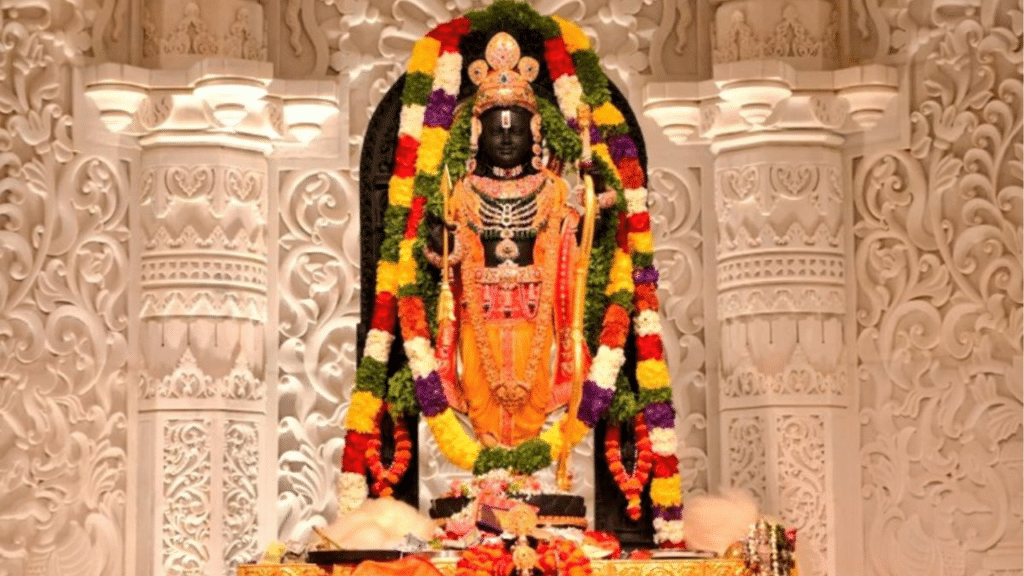
Ram Navami is celebrated on the ninth day (Navami) of Shukla Paksha (bright lunar fortnight) in the month of Chaitra, which typically falls in March or April. The festival is part of the nine-day Chaitra Navratri celebrations.
Ram Navami in India 2026 Dates
Ram Navami Date: Thursday, March 26, 2026
- Navami Tithi Begins: 11:48 AM on March 26, 2026
- Navami Tithi Ends: 10:06 AM on March 27, 2026
- Madhyahna Muhurat (Most Auspicious Time): 11:13 AM to 1:41 PM
- Duration: 2 hours 27 minutes
- Madhyahna Moment: 12:27 PM
The Madhyahna period represents the exact moment of Lord Rama’s birth at noon and is considered the most sacred time for worship and puja.
Table of Contents
Ram Navami In USA, Canada, Australia, New Zealand, UK, UAE, Singapore 2026 Dates
Date: Thursday, March 26, 2026
- Navami Tithi Begins – 02:18 AM on Mar 26, 2026
- Navami Tithi Ends – 12:36 AM on Mar 27, 2026
Date: Thursday, March 26, 2026
- Navami Tithi Begins – 02:18 AM on Mar 26, 2026
- Navami Tithi Ends – 12:36 AM on Mar 27, 2026
Date: Friday, March 27, 2026
- Navami Tithi Begins – 05:18 PM on Mar 26, 2026
- Navami Tithi Ends – 03:36 PM on Mar 27, 2026
Date: Thursday, March 26, 2026
- Navami Tithi Begins – 06:18 AM on Mar 26, 2026
- Navami Tithi Ends – 04:36 AM on Mar 27, 2026
Date: Thursday, March 26, 2026
- Navami Tithi Begins – 10:18 AM on Mar 26, 2026
- Navami Tithi Ends – 08:36 AM on Mar 27, 2026
Date: Friday, March 27, 2026
- Navami Tithi Begins – 02:18 PM on Mar 26, 2026
- Navami Tithi Ends – 12:36 PM on Mar 27, 2026
Why Ram Navami Dates Change Every Year
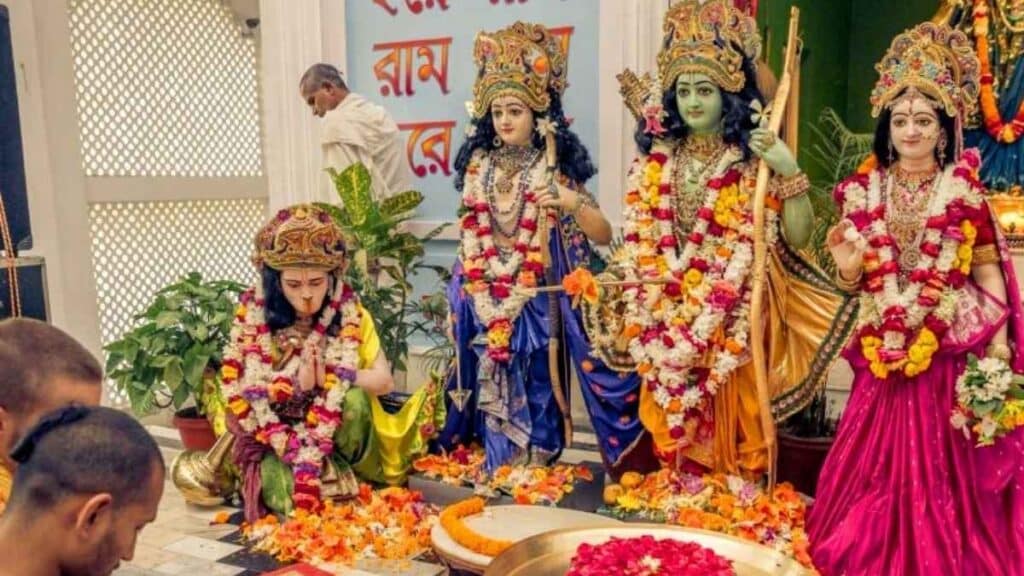
Ram Navami is celebrated based on the Hindu lunar calendar, not the Gregorian calendar. It falls on the ninth day (Navami) of the bright fortnight (Shukla Paksha) in the month of Chaitra.
Since lunar months are shorter than solar months:
- The festival can fall anywhere between mid-March and early April respective months.
- Ram Navami’s date shifts every year on the Gregorian calendar
- Timing depends on the moon’s position and local sunrise
How Is Ram Navami Muhurat Decided?
The timing of Ram Navami puja, particularly the Madhyahna Muhurat, is calculated based on the precise moment when the Navami Tithi is active during midday. According to Hindu scriptures, Lord Rama was born at noon when the sun was at its zenith, symbolizing the peak of divine consciousness and light.
The Madhyahna period (noon) is determined by calculating the exact midpoint between sunrise and sunset on the day when Navami Tithi prevails. This sacred window, typically lasting 2-3 hours, is considered the most auspicious time to perform Ram Navami puja, offer prayers, and conduct special rituals honoring Lord Rama’s birth.
Ram Navami: Other Names & Regional Identities
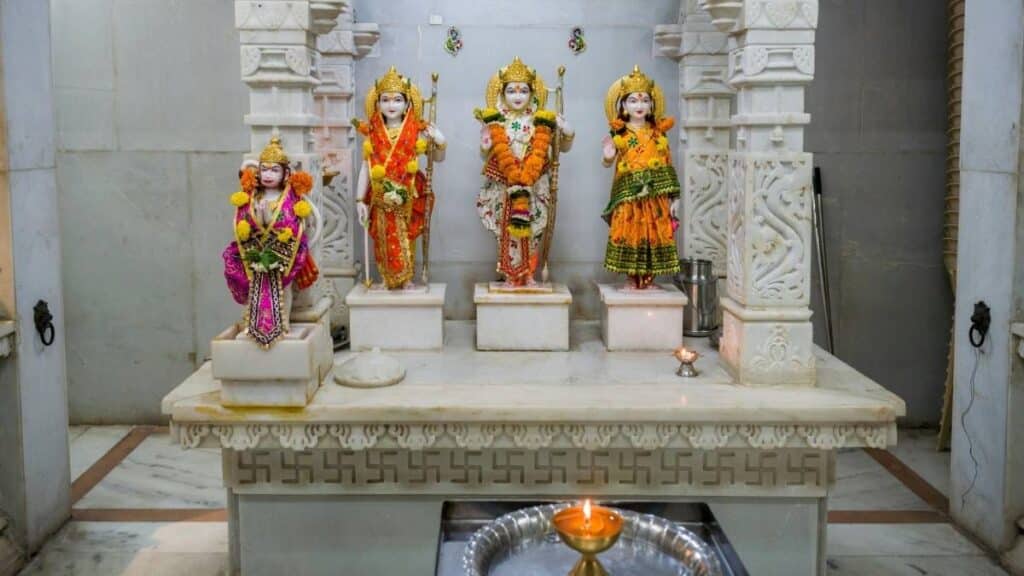
Ram Navami is known by various names across India’s diverse linguistic and cultural landscape:
Standard Names
- Ram Navami / Rama Navami — Standard name in Hindi, Sanskrit, and most Indian languages
- Sri Rama Navami — Formal name used in South India
- Chaitra Masa Suklapaksha Navami — Scriptural reference to the tithi
Regional Names
North India:
- राम नवमी (Ram Navami) — Hindi
- ਸ੍ਰੀ ਰਾਮ ਨਵਮੀ (Sri Ram Navami) — Punjabi
South India:
- ಶ್ರೀ ರಾಮ ನವಮಿ (Sri Rama Navami) — Kannada
- శ్రీ రామ నవమి (Sri Rama Navami) — Telugu
- ஸ்ரீ ராம நவமி (Sri Rama Navami) — Tamil
- ശ്രീരാമ നവമി (Srirama Navami) — Malayalam
East India:
- শ্রীরাম নবমী (Sriram Navami) — Bengali
- ଶ୍ରୀ ରାମ ନବମୀ (Sri Rama Navami) — Odia
West India:
- श्री राम नवमी (Shri Ram Navami) — Marathi
- શ્રી રામ નવમી (Shri Ram Navami) — Gujarati
Diaspora / International Naming
In English-speaking diaspora communities, Ram Navami is often referred to as:
- Ram Navami Festival
- Rama’s Birthday
- Lord Rama’s Appearance Day (especially in ISKCON communities)
The Origins, History, and Legends of Ram Navami
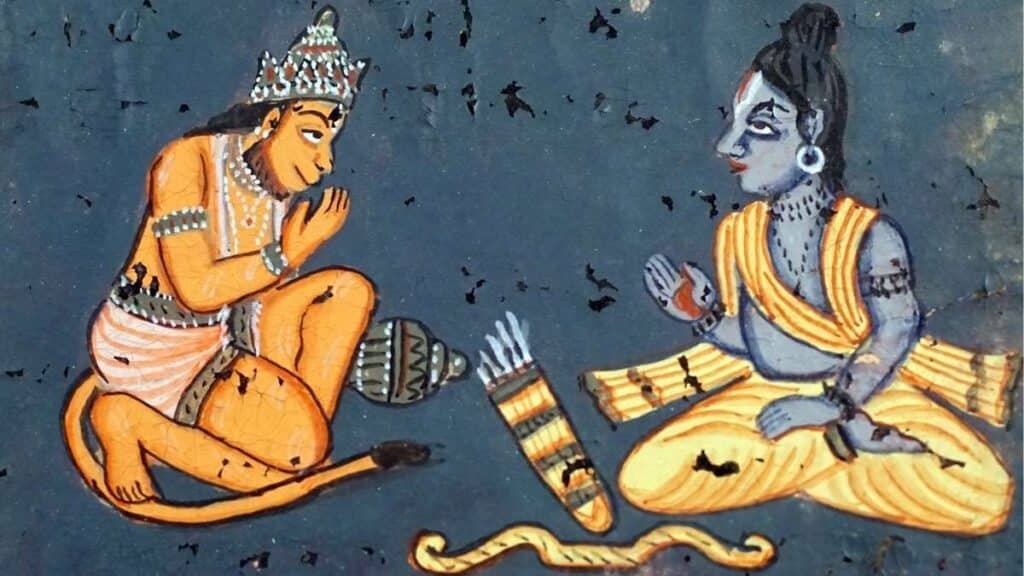
Ram Navami commemorates one of the most significant events in Hindu tradition: the birth of Lord Rama in Ayodhya. The story originates from the Ramayana, one of India’s two great epics, composed by the sage Valmiki around 500 BCE to 100 BCE.
The Birth Story
King Dasharatha of Ayodhya ruled with wisdom and justice, but despite having three wives—Kausalya, Kaikeyi, and Sumitra—he remained without an heir. The absence of sons to continue his lineage weighed heavily on the aging king. Following the counsel of his spiritual advisors, Dasharatha organized the Putrakameshti Yagna, an elaborate Vedic sacrifice performed to obtain progeny.
The ritual was conducted under the authority of Sage Rishyasringa, known for his spiritual power. As the final offerings were made into the sacred fire, a celestial being emerged carrying a golden vessel filled with divine payasam (sweet rice pudding). The being instructed Dasharatha to distribute this blessed offering among his queens.
Following the instructions, Dasharatha shared the payasam. Queen Kausalya received the first portion, Kaikeyi the second, and Sumitra the third. By divine grace, all three queens conceived. On the ninth day of Chaitra’s bright fortnight, precisely at noon when the sun reached its zenith, Queen Kausalya gave birth to Rama. Queen Kaikeyi bore Bharata, and Queen Sumitra gave birth to twins—Lakshmana and Shatrughna.
The birth of Rama was accompanied by auspicious signs: celestial music filled the air, flowers rained from the heavens, and a profound sense of peace settled over Ayodhya. The timing of his birth—during midday, in spring, on the ninth lunar day—carries deep symbolic meaning in Hindu cosmology.
Historical Evolution of the Festival
While Rama’s story is ancient, Ram Navami as a formalized festival gained widespread prominence during the medieval period. The Bhakti movement, which swept across India from the 7th to 17th centuries, popularized devotional worship of Rama as a personal deity rather than just a legendary king.
The composition of Tulsidas’s Ramcharitmanas in the 16th century played a crucial role in making Ram Navami a household celebration. Tulsidas, according to tradition, began writing his vernacular retelling of the Ramayana on Ram Navami itself, making the festival doubly significant for devotees.
During India’s freedom movement, Mahatma Gandhi’s frequent invocation of “Ram Rajya”—Rama’s ideal kingdom characterized by justice, prosperity, and ethical governance—further cemented Rama’s relevance in the modern Indian consciousness.
Scriptural References
Ram Navami finds mention in several sacred texts:
- Valmiki Ramayana: The original epic detailing Rama’s life
- Adhyatma Ramayana: A philosophical interpretation from the Brahmanda Purana
- Narada Purana: References to Rama’s birth celebration
- Skanda Purana: Describes the significance of fasting on Ram Navami
Ram Navami: Cultural and Spiritual Significance

Ram Navami represents more than the celebration of a divine birth. It symbolizes the eternal return of dharma—righteousness, moral order, and cosmic balance—to a world that constantly struggles with chaos and injustice.
Victory of Dharma
At its core, Ram Navami celebrates the principle that righteousness ultimately prevails. Rama’s life wasn’t easy; he faced exile, separation, war, and personal tragedy. Yet he never deviated from the path of dharma. His story teaches that moral victory doesn’t mean avoiding suffering—it means maintaining integrity despite it.
Ideal Human Conduct
Rama is called “Maryada Purushottam”—the supreme upholder of limits and the perfect man. He represents the ideal in every relationship: devoted son, loyal brother, faithful husband, just king, and compassionate warrior. Ram Navami reminds devotees that perfection isn’t about never making mistakes, but about consistently choosing duty and righteousness over personal desire.
Renewal and New Beginnings
Falling during spring, Ram Navami aligns with nature’s renewal. Just as the earth awakens from winter, the festival symbolizes spiritual awakening and the possibility of beginning again, no matter how far one has strayed from the righteous path.
Unity and Social Harmony
Ram Navami transcends sectarian boundaries within Hinduism and beyond. The Ramayana’s universal themes—loyalty, sacrifice, courage, and justice—resonate across cultures and religions, making the festival a celebration of shared human values rather than exclusive religious doctrine.nd the promise of prosperity. More than a religious festival, Chaitra Navratri is a universal celebration of life’s renewal, spiritual dedication, and the eternal cosmic dance of creation and transformation.
Ram Navami Prayers and Religious Observances
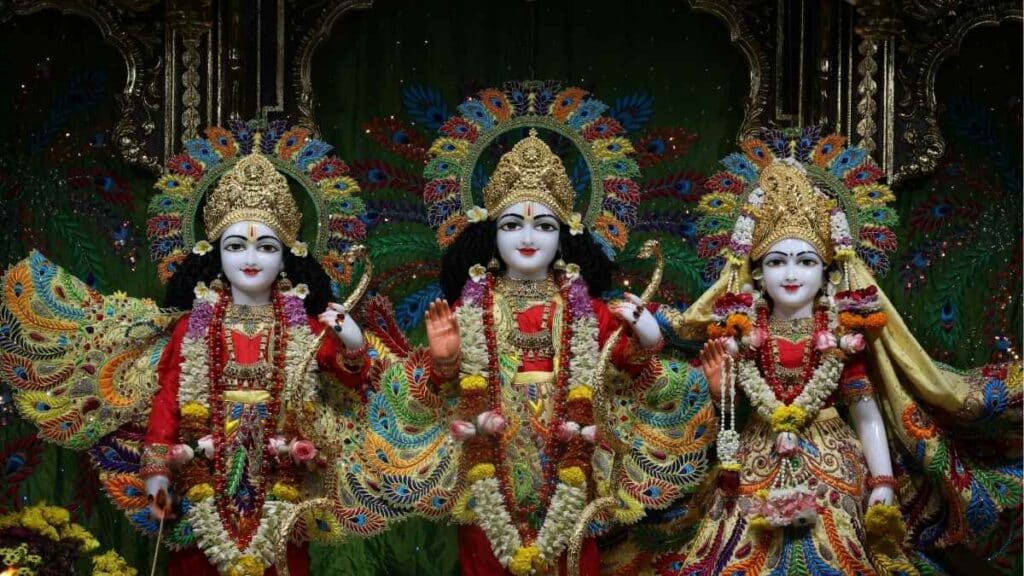
Religious observances on Ram Navami vary from elaborate temple rituals to simple home worship, but all share a common purpose: connecting with the divine qualities Rama embodied.
Temple Rituals
On Ram Navami, temples conduct special ceremonies throughout the day:
Pre-Dawn (Brahma Muhurta): Temples begin with Suprabhatam—devotional songs waking the deity—followed by ritual bathing.
Morning Abhishekam: The main idol undergoes abhishekam (ceremonial bathing) with panchamrit (five sacred liquids: milk, yogurt, ghee, honey, and sugar water), followed by sacred water, sandalwood paste, and flowers.
Madhyahna Puja: The central ritual occurs during the noon muhurat. Many temples ceremonially place an idol of infant Rama in a silver or wooden cradle decorated with flowers. Priests rock the cradle gently while chanting:
“Shrī Rāma jaya Rāma jaya jaya Rāma” (Victory to Rama)
Devotees offer tulsi leaves, fruits, sweets, and flowers. The temple resonates with bhajans, Vedic chants, and the ringing of bells.
Evening Aarti: The day concludes with grand aarti, where devotees gather for communal singing, prayer, and distribution of prasad.
Home Observances
Home worship follows a simpler pattern:
- Clean and prepare a sacred space
- Place images or idols of Rama, Sita, Lakshmana, and Hanuman
- Offer fresh flowers, particularly tulsi (holy basil)
- Light diyas (oil lamps) and incense
- Recite the Ram Taraka Mantra or Rama Ashtottara (108 names)
- Read passages from Ramayana or Ramcharitmanas
- Sing bhajans or play devotional music
- Prepare sattvic food as offering
- Share prasad with family and neighbors
Common Mantras and Prayers
Ram Taraka Mantra:
“Shrī Rāma jaya Rāma jaya jaya Rāma”
Rama Gayatri:
“Om Dasharathaye Vidmahe, Sitavallabhaya Dhimahi, Tanno Rama Prachodayat”
Simple Prayer:
“Mangalam Kosalendraaya, Mahaniiyagunaatmane, Chaturvarga falaadaya, Raamaayaasi mangalam”
(Auspiciousness to Rama, son of the Kosala king, possessor of great virtues, bestower of all four goals of life)
Fasting Traditions
Fasting on Ram Navami is common but not mandatory:
- Complete Fast (Nirjala): Some devotees abstain from food and water
- Fruit Fast (Phalahar): Consuming only fruits, milk, and nuts
- Single Meal (Ekabhojan): One sattvic meal after Madhyahna puja
- Regular Vegetarian: Maintaining vegetarian diet with extra prayers
The fast, when observed, is typically broken after sunset or after the Madhyahna puja. deeply transformative..
RAM NAVAMI VRAT KATHA (BIRTH STORY OF LORD RAMA)
In English
The Divine Birth of Lord Rama
King Dasharatha of Ayodhya was a righteous ruler, yet his greatest sorrow was having no children to carry forward his royal lineage. On the advice of his royal preceptor, he performed the sacred Putrakameshti Yajna under the guidance of Sage Rishyashringa. Pleased by this devout sacrifice, the gods blessed him with a divine kheer (sacred sweet offering) to be shared among his queens.
Queen Kaushalya consumed half of the kheer and gave birth to Lord Rama, the seventh avatar of Lord Vishnu. Queen Kaikeyi received a portion and gave birth to Bharata. Queen Sumitra received the remaining share and gave birth to twin sons, Lakshmana and Shatrughna.
Lord Rama was born on the ninth day (Navami) of Shukla Paksha in the month of Chaitra, during Madhyahna (midday). He was born under the Punarvasu Nakshatra with Cancer (Karka) as the rising sign (Lagna), and the Sun exalted in Aries — an exceptionally auspicious planetary alignment that signified the arrival of a divine soul.
As Rama grew, he embodied every virtue a human being could aspire to — truth, compassion, courage, devotion to duty, and unwavering righteousness. Valmiki’s Ramayana describes him with the revered shloka:
“रामो विग्रहवान् धर्मः” (Rama is the embodiment of righteousness)
Lord Rama is not merely worshipped as a god but revered as the Maryada Purushottama — the ideal man, the perfect son, the devoted husband, the just king, and the true friend. His life is a living scripture for all of humanity.
Vrat Phal (Fruit of the Fast): Those who observe Ram Navami with devotion, listen to or recite this Katha, and keep the fast with a pure heart receive the blessings of Lord Rama. It is believed that all sins are washed away, desires are fulfilled, and the devotee attains peace, prosperity, and ultimately, moksha (liberation).
In Hindi
भगवान राम का दिव्य जन्म
अयोध्या के महाराज दशरथ एक धर्मपरायण और प्रतापी राजा थे, किंतु उनके मन में एक गहरी पीड़ा थी — उनके कोई पुत्र नहीं था। राजवंश को आगे बढ़ाने की चिंता में उन्होंने अपने राजपुरोहित के परामर्श पर महर्षि ऋष्यश्रृंग के मार्गदर्शन में पुत्रकामेष्टि यज्ञ का आयोजन किया। इस पवित्र यज्ञ से प्रसन्न होकर देवताओं ने उन्हें दिव्य खीर प्रदान की, जिसे उनकी तीनों रानियों में वितरित किया गया।
महारानी कौशल्या ने आधी खीर ग्रहण की और उन्होंने भगवान विष्णु के सातवें अवतार, भगवान राम को जन्म दिया। रानी कैकेयी ने अपना भाग ग्रहण किया और भरत का जन्म हुआ। रानी सुमित्रा ने शेष खीर का सेवन किया और उन्होंने दो पुत्रों — लक्ष्मण और शत्रुघ्न — को जन्म दिया।
भगवान राम का जन्म चैत्र मास के शुक्ल पक्ष की नवमी तिथि को मध्याह्न (दोपहर) के समय हुआ। उनका जन्म पुनर्वसु नक्षत्र में, कर्क लग्न में हुआ, और उस समय सूर्य मेष राशि में उच्च स्थिति में था — यह अत्यंत दुर्लभ और शुभ ग्रह-योग था, जो एक दिव्य आत्मा के अवतरण का संकेत था।
जैसे-जैसे राम बड़े हुए, उन्होंने सत्य, करुणा, साहस, कर्तव्यनिष्ठा और अखंड धर्म का पालन कर एक आदर्श जीवन जिया। महर्षि वाल्मीकि ने उनके बारे में लिखा है:
“रामो विग्रहवान् धर्मः” (राम साक्षात धर्म के स्वरूप हैं)
भगवान राम केवल पूजनीय देव ही नहीं, बल्कि मर्यादा पुरुषोत्तम हैं — आदर्श पुत्र, आदर्श पति, आदर्श राजा और आदर्श मित्र। उनका जीवन समस्त मानवजाति के लिए एक जीवंत धर्मग्रंथ है।
व्रत फल: जो श्रद्धालु राम नवमी का व्रत पूर्ण भक्तिभाव से रखते हैं, इस कथा को सुनते या पढ़ते हैं, और शुद्ध मन से उपवास करते हैं, उन्हें भगवान राम की कृपा प्राप्त होती है। मान्यता है कि इससे सभी पापों का नाश होता है, मनोकामनाएं पूर्ण होती हैं, और भक्त को शांति, समृद्धि तथा अंततः मोक्ष की प्राप्ति होती है।
RAM NAVAMI AARTI — SHRI RAMCHANDRA KRIPALU BHAJUMAN
In English
Shri Rama Chandra Kripalu Bhajuman, Haran Bhavbhay Darunam। Nav Kanj Lochan, Kanj Mukh Kar Kanj Pad Kanjarunam॥ Shri Rama Chandra Kripalu Bhajuman…॥
Kandarp Aganit Amit Chhavi, Nav Neel Neerad Sundaram। Pat Peet Maanahu Tadit Ruchi-Shuchi Naumi Janak Sutavaram॥ Shri Rama Chandra Kripalu Bhajuman…॥
Bhaju Deenbandhu Dinesh Danav Daitya Vansh Nikandanam। Raghunand Anand Kand Kaushal Chandra Dasharath Nandanam॥ Shri Rama Chandra Kripalu Bhajuman…॥
Shir Mukut Kundal Tilak Charu Udar Ang Vibhushanam। Ajanubhuj Shar Chap-Dhar Sangram Jit Khardushnam॥ Shri Rama Chandra Kripalu Bhajuman…॥
Iti Vadati Tulsidas, Shankar Shesh Muni Man Ranjanam। Mam Hriday Kanj Nivas Kuru, Kaamadi Khal Dal Ganjanam॥ Shri Rama Chandra Kripalu Bhajuman…॥
Man Jahi Raacheu Milahi So Var Sahaj Sundar Sanvaro। Karuna Nidhaan Sujaan Sheel Saneh Janat Ravro॥ Shri Rama Chandra Kripalu Bhajuman…॥
Aehi Bhanti Gauri Aasis Sun Siy Hit Hiy Harshit Ali। Tulsi Bhavanihi Poojee Puni Puni Mudit Man Mandir Chali॥ Shri Rama Chandra Kripalu Bhajuman…॥
Meaning: This beloved aarti composed by Goswami Tulsidas praises Lord Rama’s divine form — his lotus eyes, radiant yellow garments, warrior’s bow, and the auspicious crown and tilak that adorn him. Tulsidas prays that the Lord reside in his heart and destroy the forces of ego, desire, and sin. The aarti ends with Goddess Parvati blessing Sita, rejoicing in Ram and Sita’s union.
In Hindi
श्री रामचन्द्र कृपालु भजु मन, हरण भवभय दारुणम्। नव कंज लोचन, कंज मुख कर कंज पद कंजारुणम्॥ श्री रामचन्द्र कृपालु भजु मन…॥
कन्दर्प अगणित अमित छवि, नव नील नीरद सुन्दरम्। पट पीत मानहुं तड़ित रूचि-शुचि नौमि जनक सुतावरम्॥ श्री रामचन्द्र कृपालु भजु मन…॥
भजु दीनबंधु दिनेश दानव दैत्य वंश निकन्दनम्। रघुनन्द आनन्द कन्द कौशल चन्द्र दशरथ नन्दनम्॥ श्री रामचन्द्र कृपालु भजु मन…॥
सिर मुकुट कुंडल तिलक चारू उदारु अंग विभूषणम्। आजानुभुज शर चाप-धर, संग्राम जित खरदूषणम्॥ श्री रामचन्द्र कृपालु भजु मन…॥
इति वदति तुलसीदास, शंकर शेष मुनि मन रंजनम्। मम ह्रदय कंज निवास कुरु, कामादि खल दल गंजनम्॥ श्री रामचन्द्र कृपालु भजु मन…॥
मन जाहि राचेऊ मिलहि सो वर सहज सुन्दर सांवरो। करुणा निधान सुजान शील सनेह जानत रावरो॥ श्री रामचन्द्र कृपालु भजु मन…॥
एहि भांति गौरी असीस सुन सिय हित हिय हरषित अली। तुलसी भवानिहि पूजी पुनि-पुनि मुदित मन मन्दिर चली॥ श्री रामचन्द्र कृपालु भजु मन…॥
अर्थ: गोस्वामी तुलसीदास द्वारा रचित यह प्रसिद्ध आरती भगवान राम के दिव्य स्वरूप की स्तुति करती है — उनके कमल नेत्र, पीत वस्त्र, धनुष-बाण और मस्तक पर सुशोभित मुकुट व तिलक का वर्णन है। तुलसीदास प्रार्थना करते हैं कि प्रभु उनके हृदय में निवास करें और काम, क्रोध, अहंकार जैसी बुराइयों का नाश करें। अंत में माता पार्वती सीता के लिए प्रसन्न होकर आशीर्वाद देती हैं।
How Ram Navami Is Celebrated Across India
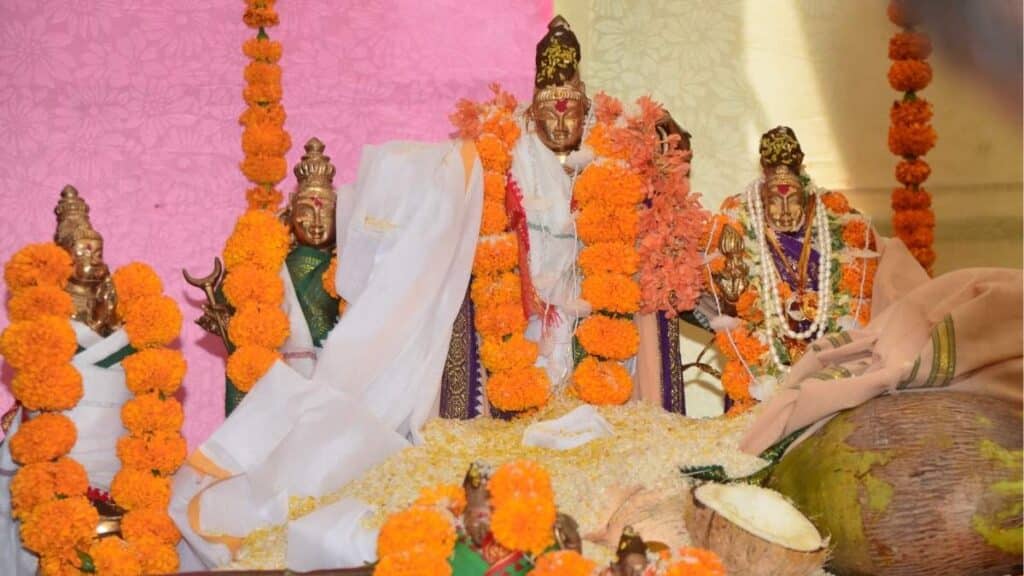
While the essence of Ram Navami remains consistent, regional traditions add unique flavors to the celebration.
Ayodhya, Uttar Pradesh
Ayodhya, Ram’s birthplace, becomes the spiritual epicenter during Ram Navami. The newly consecrated Ram Mandir draws hundreds of thousands of devotees. The 2024 celebration featured the historic “Surya Tilak,” where a beam of sunlight was directed through an ingenious system of mirrors to illuminate Ram Lalla’s forehead precisely at the Madhyahna moment.
Devotees begin the day with ritual baths in the Sarayu River before dawn. The riverbanks fill with people performing prayers as the sun rises. Throughout the day, continuous bhajan singing, scriptural recitations, and temple visits continue. Grand processions carry decorated palanquins through the city’s ancient streets, where every stone seems to hold memory of Rama’s presence.
Bhadrachalam, Telangana
The Bhadrachalam Rama Temple on the Godavari River hosts one of South India’s most significant Ram Navami celebrations. The festival here extends beyond a single day, featuring the Kalyanotsavam—the ceremonial wedding of Rama and Sita.
This tradition stems from the devotion of Kancharla Gopanna (Bhakta Ramadasa), who renovated the temple in the 17th century. His Telugu compositions, filled with longing for Rama, are sung throughout the celebration. The temple complex vibrates with continuous music, ritual offerings, and thousands of pilgrims who come to witness the divine wedding ceremony.
Rameswaram, Tamil Nadu
Rameswaram holds special significance as the place where Rama worshipped Lord Shiva before crossing to Lanka. The Ramanathaswamy Temple, with its magnificent corridors and sacred wells, sees massive crowds on Ram Navami. Devotees believe that bathing in the temple’s 22 holy tanks before darshan washes away sins and brings spiritual merit.
Karnataka
Karnataka’s celebration blends devotion with community service. Streets across Bangalore and smaller towns set up free panaka (jaggery drink) stalls, offering refreshment to all passersby regardless of religion or social status. The Sree Ramaseva Mandali’s month-long classical music festival showcases both Carnatic and Hindustani musicians performing devotional compositions.
West Bengal
In West Bengal, Ram Navami often coincides with local traditions. Vaishnava communities organize akhandapath (continuous reading) of the Ramayana. The festival preparation also marks the beginning of planning for the Jagannath Rath Yatra, connecting Rama worship with the broader Vaishnava tradition.
Sitamarhi, Bihar
Sitamarhi, believed to be Sita’s birthplace, celebrates Ram Navami with equal reverence for both Rama and Sita. The Janaki Mandir hosts special pujas, and the connection between the two divine figures is celebrated through joint rituals and storytelling.
Participation Across Religions in India
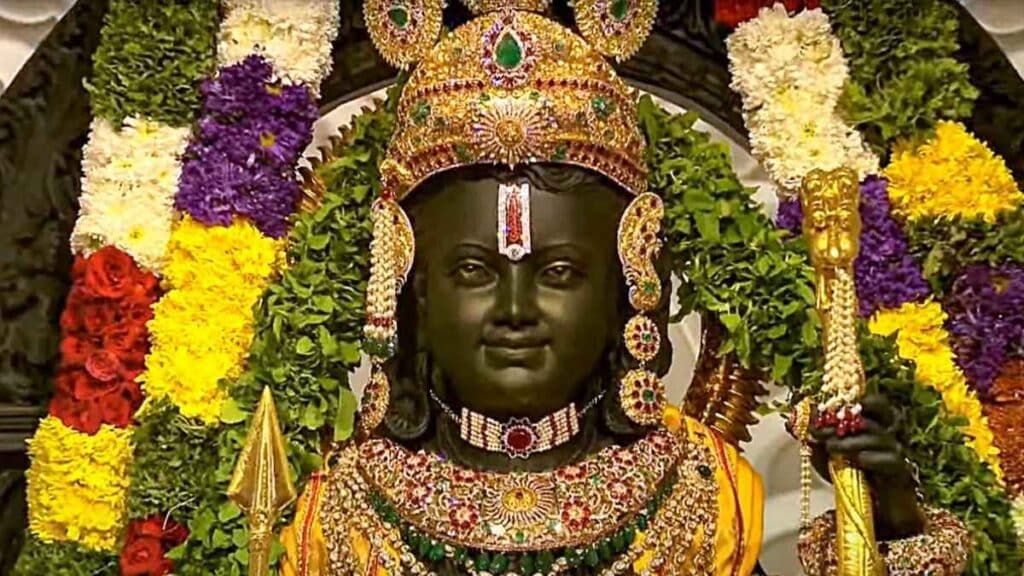
While Ram Navami is fundamentally a Hindu festival, Rama’s story and values have influenced Indian culture beyond religious boundaries.
Buddhist Connections
The Dasharatha Jataka, a Buddhist text, presents an early version of the Rama story, suggesting shared narrative roots. While Buddhists don’t specifically celebrate Ram Navami, the story’s presence in Buddhist literature indicates its cultural importance across spiritual traditions.
Sikh Reverence
The Guru Granth Sahib contains multiple references to Rama as an exemplar of righteousness. Sikh tradition respects Rama as a noble king who upheld dharma. While Sikhs don’t celebrate Ram Navami liturgically, many Punjabi families with cultural Hindu connections maintain awareness of and respect for the festival.
Cultural Inclusivity
In many Indian neighborhoods, Ram Navami processions and community events welcome participation from people of all backgrounds. The festival’s emphasis on justice, duty, and moral conduct resonates with universal ethical values, making it accessible beyond sectarian boundaries.
Non-Hindu Indians often participate in the cultural aspects—attending Ramlila performances, enjoying festive foods, and appreciating classical music programs organized during Ram Navami celebrations.
How Ram Navami Is Celebrated Outside India
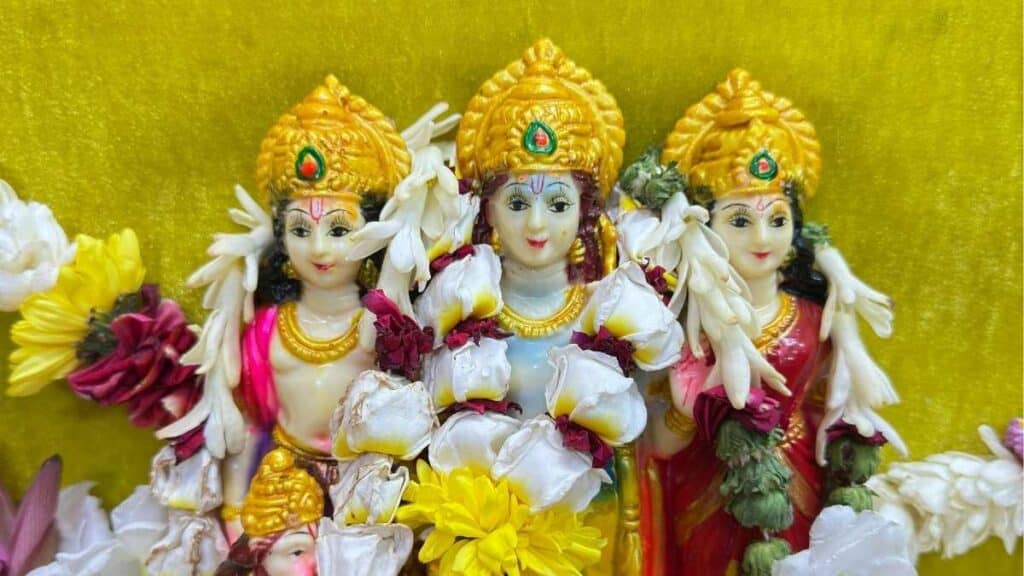
Indian diaspora communities worldwide maintain Ram Navami traditions, adapting them to their new environments while preserving core practices.
North America (USA and Canada)
Major temples in areas with significant Indian populations organize elaborate Ram Navami celebrations. Cities like New York, New Jersey, Chicago, Toronto, and Vancouver host programs that typically include:
- Morning abhishekam and puja services
- Recitation of Sundarakanda or selected Ramayana chapters
- Bhajan sessions featuring both traditional and contemporary devotional music
- Cultural programs with children performing skits and dances based on Ramayana stories
- Community meals (prasad) shared by all attendees
- Lectures or discussions on Rama’s teachings and their contemporary relevance
Since the festival falls on a weekday, many temples schedule main celebrations for the nearest weekend, making it accessible to working professionals and families.
United Kingdom
Hindu communities in London, Leicester, Birmingham, and other UK cities observe Ram Navami through temple programs and community gatherings. The festival sometimes coincides with Easter holidays, facilitating family participation. British-born Hindu youth increasingly engage through cultural organizations that present Ramayana themes in contemporary formats.
Caribbean (Trinidad, Guyana, Suriname)
Descendants of Indian indentured laborers brought to Caribbean plantations in the 19th century have preserved Ram Navami with remarkable devotion. These communities maintain traditions of reading the Ramayana in Awadhi and Hindi, singing traditional bhajans, and conducting elaborate temple pujas. The festival serves as a cultural anchor, connecting Caribbean Hindus to their ancestral heritage across generations.
Mauritius
With nearly 50% Hindu population, Mauritius celebrates Ram Navami with enthusiasm. The festival brings together Indo-Mauritian families in temples for prayers, bhajan singing, and cultural programs. Traditional foods and customs are maintained, making Mauritius one of the few places outside India where Ram Navami retains its full traditional character.
South Africa
The Hindu community in Durban and other South African cities continued Ram Navami celebrations even during apartheid. Today, temples organize programs featuring recitations from Tulsidas’s Ramcharitmanas, devotional singing of Tyagaraja compositions, and community feasts. The festival serves as a reminder of resilience and faith maintained through difficult historical periods.
Australia and New Zealand
Hindu communities in Sydney, Melbourne, Auckland, and Wellington celebrate Ram Navami during autumn (March-April in the Southern Hemisphere). Temples organize pujas, cultural programs, and family-oriented celebrations. The growing second and third-generation Indian diaspora increasingly participates, learning about Rama’s story through English-language programs and contemporary presentations.
Southeast Asia (Singapore and Malaysia)
Singapore and Malaysia’s significant Hindu minorities observe Ram Navami through temple programs and cultural events. The Ramayana’s influence in Southeast Asian culture—evident in traditional Malay, Javanese, and Thai arts—creates natural bridges for interfaith appreciation of the festival.
United Arab Emirates
The large Indian expatriate community in Dubai, Abu Dhabi, and Sharjah celebrates Ram Navami in temples across the emirates. Given the Gulf’s Friday-Saturday weekend, celebrations often occur on Friday evenings when working professionals can attend. The UAE’s multicultural environment allows public expressions of Hindu festivals while respecting the host culture’s norms.
Ram Navami Gifting Traditions
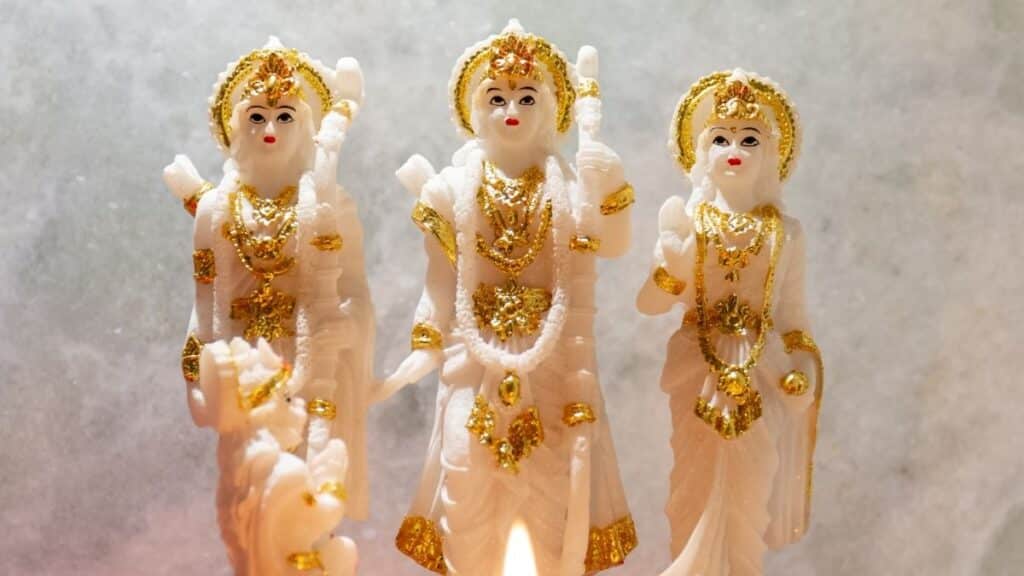
Ram Navami isn’t traditionally a gift-exchanging festival like Diwali, but certain gifting practices have developed, emphasizing spiritual and cultural values.
Traditional Gifts
- Prasad Sharing: Distributing sweets, fruits, and homemade items blessed during puja to family, friends, and neighbors
- Religious Books: Gifting copies of Ramayana, Ramcharitmanas, or books on Rama’s teachings
- Sacred Items: Small idols, framed images of Rama, devotional music CDs, or prayer accessories
- New Clothes: Some families gift new clothes to children, symbolizing the auspiciousness of the day
Symbolism
Any gifting associated with Ram Navami emphasizes dharmic values over material exchange. The focus remains on sharing blessings, reinforcing relationships, and honoring spiritual traditions rather than commercial transactions.w clothes, accessories, money, sweets, and blessings—honoring them as embodiments of the Goddess.
Traditional Ram Navami Foods and Culinary Traditions
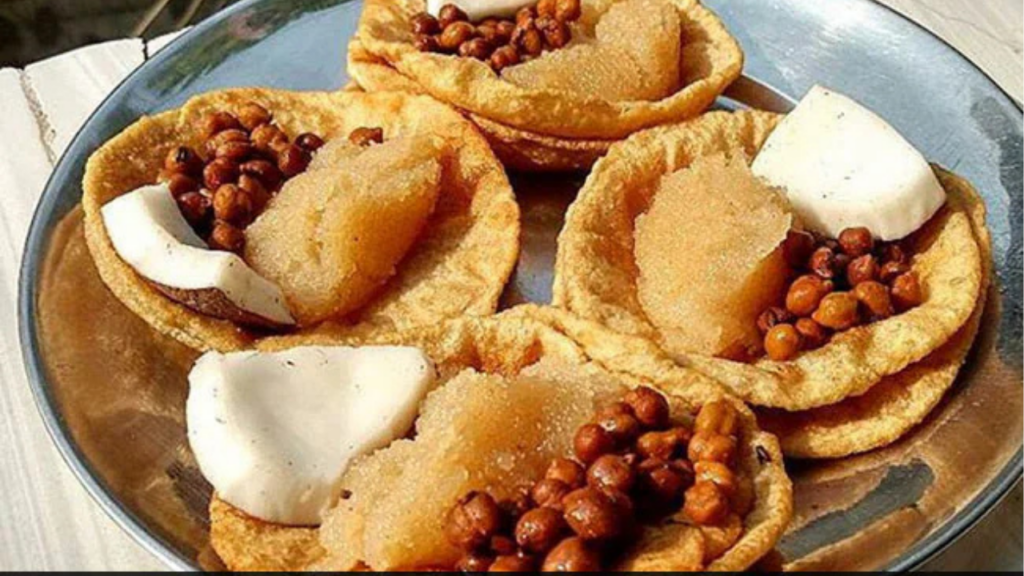
Food prepared for Ram Navami follows sattvic principles—pure vegetarian ingredients without onion, garlic, or strong spices—symbolizing the purity of the occasion.
Panaka: The Signature Drink
The most universal Ram Navami offering is panaka, a cooling drink made from jaggery, water, and spices. It symbolizes hospitality, relief from spring heat, and inclusive generosity. Communities set up free panaka stalls where anyone, regardless of status or religion, can quench their thirst. The drink typically contains:
- Jaggery dissolved in water
- Cardamom powder
- Black pepper (optional)
- Lemon juice (optional)
- Sometimes includes fennel seeds or ginger
Coconut Milk Kheer
This sweet dish holds special significance as it resonates with the divine payasam that led to Rama’s birth. Made with rice, coconut milk, jaggery or sugar, cardamom, and cashews, it’s offered to the deity and distributed as prasad.
Regional Specialties
North India:
- Puri and chana with halwa
- Singhare ka halwa (water chestnut dessert for those fasting)
- Fresh seasonal fruits
- Malpua (sweet pancakes)
South India:
- Vadai (savory lentil fritters)
- Payasam (multiple varieties including paruppu payasam, vermicelli payasam)
- Kosambari (lentil and cucumber salad)
- Coconut burfi
Maharashtra:
- Puran poli (sweet flatbread stuffed with lentils and jaggery)
- Shrikhand (sweetened strained yogurt)
- Seasonal vegetables prepared without onion-garlic
Gujarat:
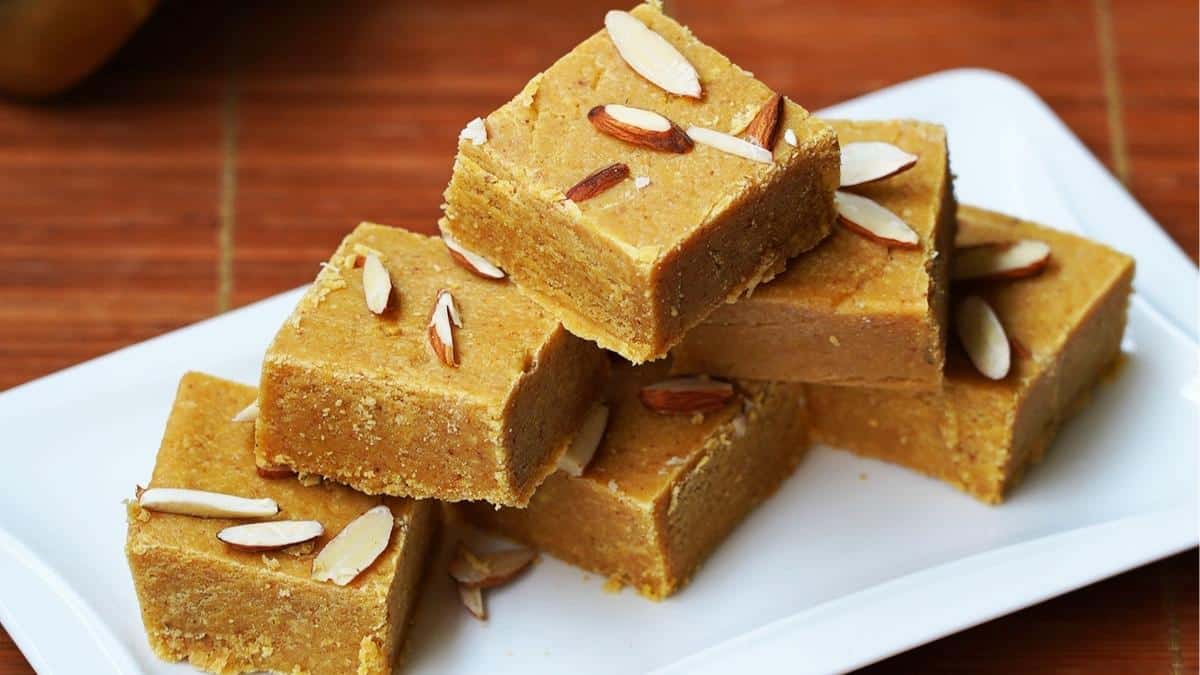
- Mohanthal (gram flour fudge)
- Basundi (reduced sweetened milk)
- Sabudana khichdi (for those fasting)
Eastern India:
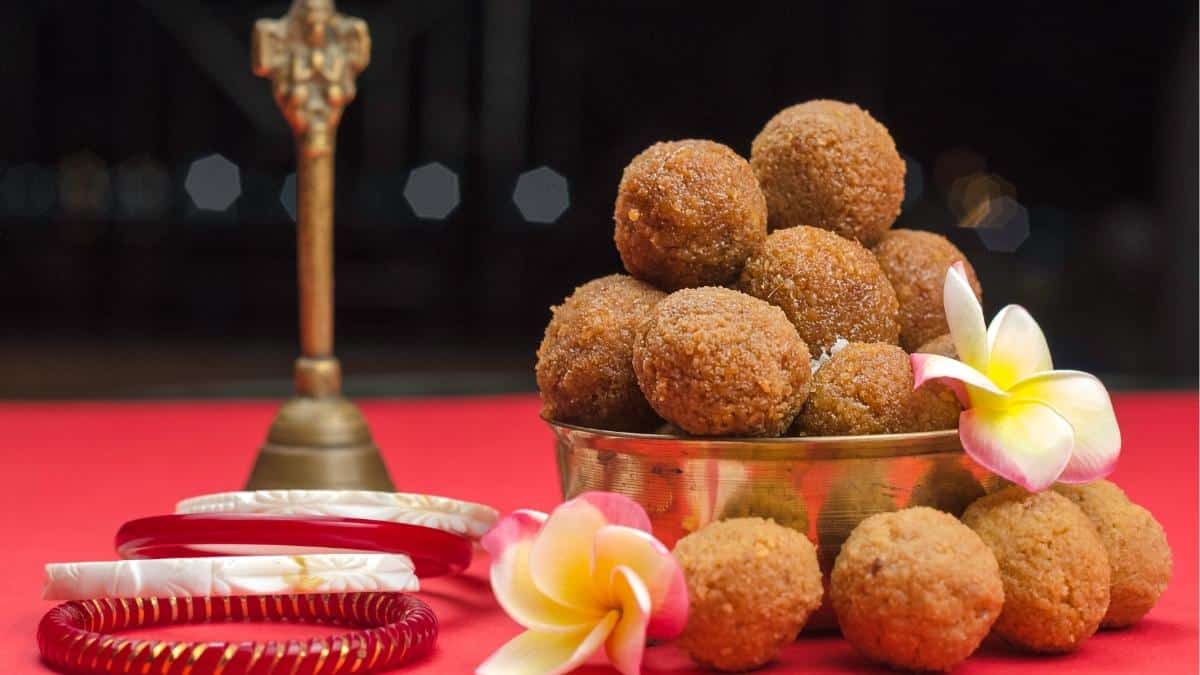
- Narkel naru (coconut balls)
- Sandesh (milk-based sweets)
- Kheer with date palm jaggery
Fasting Foods
For those observing vrat:
- Fruits (bananas, apples, berries, pomegranate)
- Milk and yogurt
- Dry fruits and nuts
- Makhana (fox nuts)
- Sama rice (barnyard millet) or amaranth preparations
- Potato dishes with minimal spices
All foods emphasize natural ingredients, minimal processing, and purity of preparation, aligning with the spiritual character of the day.te thalis. Community meals (bhandaras) at temples serve traditional food to all devotees, emphasizing sharing and charity.

Ram Navami: Music, Art, and Cultural Expression
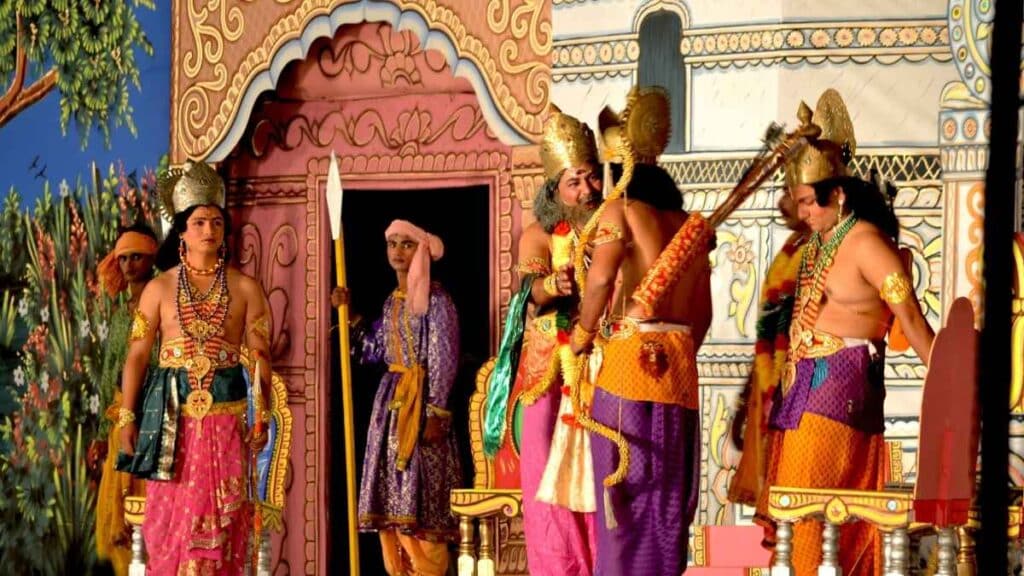
Ram Navami celebrates not just through ritual but through artistic expressions that have evolved over centuries.
Devotional Music
Classical Compositions:
- Tyagaraja’s Kritis: The legendary Carnatic composer (1767-1847) created hundreds of compositions devoted to Rama. His Pancharatna Kritis are considered jewels of Carnatic music and are performed in concerts during Ram Navami.
- Bhadrachala Ramadasa’s Songs: This 17th-century Telugu devotee composed beautiful keertanas expressing intense longing for Rama’s darshan.
- Tulsidas’s Dohas: Couplets from Ramcharitmanas set to simple melodies, accessible to all devotees regardless of musical training.
Contemporary Bhajans: Modern devotional singers like Anup Jalota, Hari Om Sharan, and MS Subbulakshmi have popularized Ram bhajans that blend traditional devotion with contemporary accessibility. These recordings play continuously in homes and temples during Ram Navami.
Ramlila Music: Regional folk traditions have developed distinctive musical styles for Ramlila performances, incorporating local instruments and melodic patterns while narrating Ramayana episodes.
Ramlila Performances: These theatrical enactments of the Ramayana form an integral part of Ram Navami in many regions. From simple village performances to elaborate productions with professional actors, Ramlila makes the epic accessible to all social levels.
Ram Navami’s Modern Relevance and Cultural Continuity
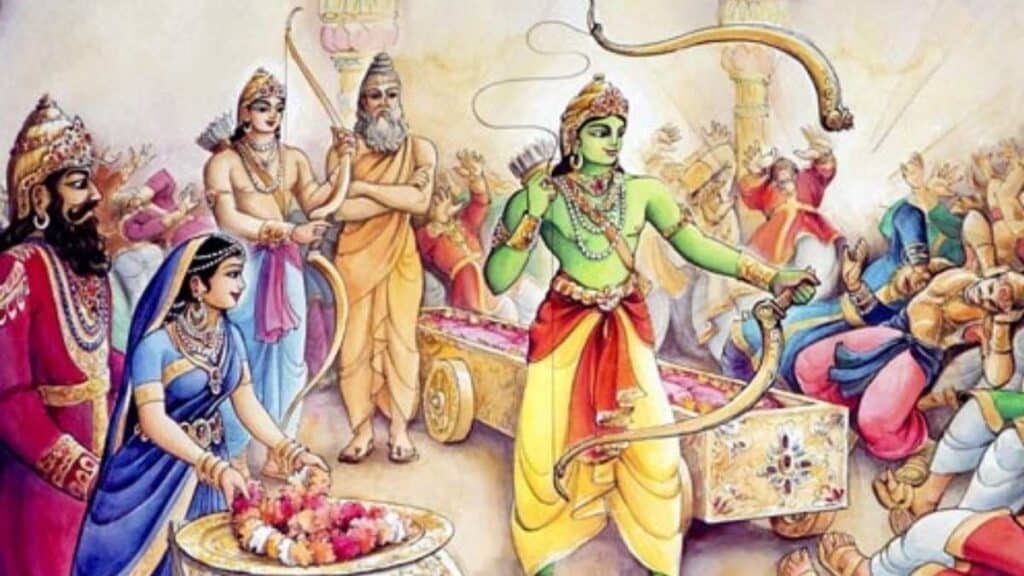
Ram Navami endures not because tradition demands it, but because Rama’s story remains perpetually relevant. Every generation faces questions he faced: How do you maintain integrity when it costs you everything? How do you lead with both strength and humility? How do you fulfill competing responsibilities while staying true to your values?
The festival doesn’t offer simple answers. Rama’s life includes controversial decisions, painful sacrifices, and outcomes that satisfy neither modern sensibilities nor ancient expectations. Yet his unwavering commitment to dharma—even when that dharma led to personal anguish—makes him a timeless exemplar.
In today’s world of moral complexity and competing values, Ram Navami provides an annual opportunity for ethical recalibration. It reminds us that character is built not in moments of ease but in crucibles of conflict between duty and desire, between principle and expediency.
The festival’s quiet dignity contrasts with more exuberant celebrations. Ram Navami rewards introspection over spectacle, devotion over demonstration. This restraint carries its own power—the power of values that don’t need to be loud to be heard, principles that don’t require validation to remain true.
For diaspora communities separated from ancestral lands by oceans and generations, Ram Navami serves as cultural anchor. The Ramayana transcends geography; its story belongs to anyone who reads it, listens to it, or lives by its values. Through temple gatherings, family pujas, and even solitary prayer, scattered communities reconnect with shared heritage.
Ultimately, Ram Navami celebrates something larger than religious doctrine or cultural identity. It celebrates the possibility—fragile yet persistent—that righteousness matters, that moral courage counts, that how we conduct ourselves creates the world we inhabit together. In an age of cynicism and moral relativism, the festival’s stubborn insistence on absolute dharma offers not outdated dogma but challenging hope: that virtue isn’t naive, that sacrifice isn’t pointless, that integrity remains possible.
Ram Navami doesn’t demand perfection. It invites striving. And in that invitation lies its enduring power and perpetual necessity.
Jai Shree Ram!