



In today’s fast-paced digital world, Software as a Service (SaaS) has become one of the most successful and scalable business models. From startups to large enterprises, SaaS solutions are widely adopted across industries due to their flexibility, affordability, and ease of use. This blog explores what SaaS is, why it is essential, its key benefits, and how businesses can adopt SaaS successfully.
What is SaaS?
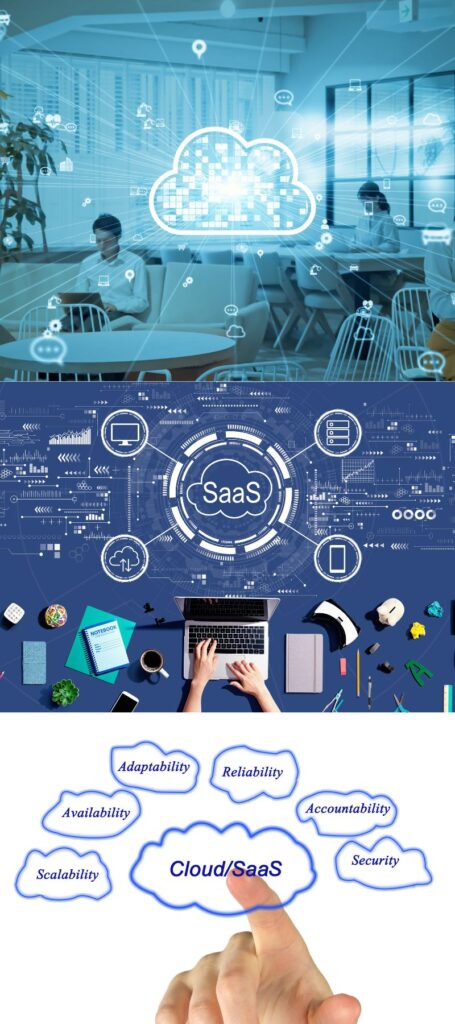
Software as a Service, commonly known as SaaS, is a cloud-based service where software is hosted and maintained by a third-party provider and made available to users over the internet. Instead of installing software on individual computers, users can access it via a web browser, often on a subscription basis. SaaS products range from business software like project management tools to consumer software like online streaming services.
Some well-known examples of SaaS platforms include:
- Salesforce: A customer relationship management (CRM) platform.
- Zoom: A video conferencing tool.
- Google Workspace: A suite of productivity tools like Gmail, Docs, and Drive.
- Shopify: An e-commerce platform for online stores.
How Does SaaS Work?

SaaS works by hosting the software on external servers, maintained by the service provider. When a user subscribes to a SaaS platform, they gain access to the software through the cloud. The service provider manages everything, including infrastructure, data storage, security, updates, and maintenance. This eliminates the need for users to install, maintain, or update software locally.
Why is SaaS Important?
SaaS has revolutionized the software industry in several ways:
- Accessibility: SaaS allows users to access software from any device with internet access. This flexibility is especially beneficial for remote work and businesses with distributed teams.
- Scalability: SaaS solutions are highly scalable, allowing businesses to adjust their subscription plans according to their needs, adding or removing users without much hassle.
- Affordability: SaaS operates on a subscription model, which means lower upfront costs compared to traditional software purchases. Businesses can pay monthly or annually, making it a cost-effective option.
- No Installation or Maintenance: Since the software is hosted in the cloud, users don’t need to worry about installation, updates, or maintenance. Everything is managed by the service provider.
- Regular Updates: SaaS providers release regular updates to improve performance, fix bugs, and add new features. Users automatically get access to the latest version of the software without any additional cost.
Key Benefits of SaaS
SaaS offers numerous advantages to businesses, making it a preferred choice over traditional software:
- Lower Cost of Ownership:
Since SaaS eliminates the need for on-premises infrastructure and licensing fees, businesses save money on hardware, maintenance, and IT staff. With a pay-as-you-go subscription model, SaaS ensures predictable operating costs. - Easy Integration and Customization:
Many SaaS products offer APIs (Application Programming Interfaces) that allow seamless integration with other tools and platforms. SaaS products can also be customized to meet the specific needs of the business. - Automatic Updates and Security:
The SaaS provider takes responsibility for keeping the software secure, up-to-date, and bug-free. This is crucial for businesses that handle sensitive data, as providers offer advanced security measures such as encryption, multi-factor authentication, and compliance with industry standards. - Global Accessibility:
SaaS platforms can be accessed from anywhere in the world with an internet connection. This global reach enables businesses to work with international teams and clients more effectively. - Fast Deployment and Scalability:
SaaS solutions can be deployed quickly, sometimes within minutes. This agility enables businesses to adopt new tools without a lengthy implementation process. Additionally, SaaS allows businesses to scale up or down based on their needs, providing greater flexibility.
Challenges of SaaS
While SaaS offers numerous benefits, it also comes with its own set of challenges:
- Dependence on Internet Connectivity: Since SaaS is cloud-based, a stable internet connection is required for optimal performance. Poor connectivity can lead to downtime, which may affect business operations.
- Data Security and Privacy Concerns: With SaaS, sensitive data is stored in the cloud, which may raise security and privacy concerns. Businesses need to ensure that the SaaS provider follows strict security protocols and is compliant with regulations such as GDPR or HIPAA.
- Limited Control: Businesses rely on third-party providers for software maintenance, updates, and infrastructure. This lack of control can sometimes lead to issues when a provider undergoes downtime or fails to meet service-level agreements (SLAs).
- Customization Limits: While SaaS platforms offer customization options, they are generally less customizable than on-premises software solutions, which may limit certain functionalities for businesses with complex needs.
Successful SaaS Business Models
Several companies have successfully built thriving SaaS businesses. Here’s a look at some of the most successful SaaS business models:
- Freemium Model
A freemium model offers a basic version of the software for free, with the option to upgrade to a paid version for access to premium features. This model works well for companies looking to attract a large user base and convert free users into paying customers. Examples include Slack and Dropbox. - Subscription Model
The subscription model is the most common in the SaaS industry. Users pay a recurring fee, either monthly or annually, to access the software. This model provides businesses with a predictable revenue stream. Examples include Adobe Creative Cloud and Netflix. - Pay-Per-Use Model
In the pay-per-use model, customers are charged based on their usage of the software. This model is ideal for businesses with variable usage patterns. Amazon Web Services (AWS) and Google Cloud are prime examples of pay-per-use SaaS platforms. - Tiered Pricing Model
Tiered pricing offers different pricing plans with varying features, catering to different types of users. This model allows businesses to target a wide range of customers, from small businesses to large enterprises. Examples include HubSpot and Mailchimp.
Future Trends in SaaS
The SaaS industry continues to evolve, with several key trends shaping its future:
- AI and Machine Learning Integration
Many SaaS platforms are incorporating AI and machine learning to provide personalized experiences, automate tasks, and enhance data analytics. AI-powered SaaS solutions are becoming more prevalent in industries such as healthcare, finance, and marketing. - Vertical SaaS
Vertical SaaS solutions focus on specific industries, such as healthcare, real estate, or finance. These tailored solutions offer features and integrations designed to meet the unique needs of a particular sector. Vertical SaaS is expected to gain more traction as businesses look for specialized tools. - Mobile-First SaaS
With the rise of mobile computing, many SaaS providers are focusing on creating mobile-first solutions. This allows users to access SaaS platforms on smartphones and tablets, offering greater flexibility and on-the-go productivity. - Increased Focus on Cybersecurity
As cybersecurity threats continue to grow, SaaS providers are enhancing their security measures. Features like encryption, single sign-on (SSO), and two-factor authentication are becoming standard in SaaS solutions, especially for industries dealing with sensitive data.
SaaS has revolutionized the way businesses use and deploy software, offering flexibility, affordability, and scalability. With rapid advancements in technology, the SaaS model will continue to grow and evolve, making it an essential part of the future business landscape. Whether you’re a startup looking for a scalable solution or an established enterprise seeking to streamline operations, SaaS offers a wealth of opportunities for innovation and efficiency.
By adopting SaaS, businesses can stay ahead in an increasingly competitive market, allowing them to focus on their core competencies while leveraging the latest software tools.
