
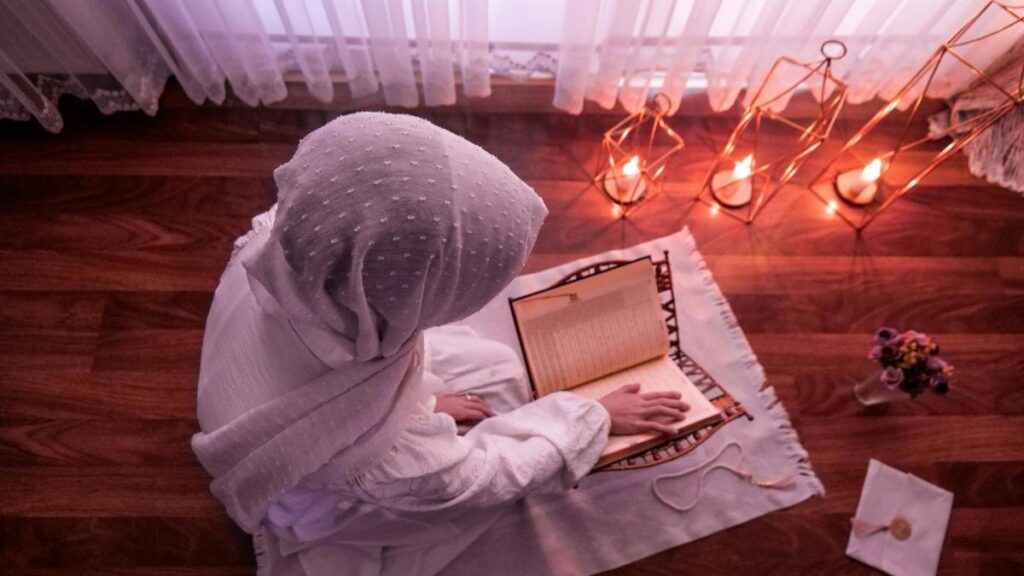
Shab-e-Barat is one of the most spiritually significant nights in the Islamic calendar, observed by millions of Muslims across South Asia, Southeast Asia, the Middle East, and the global diaspora. Known as the Night of Forgiveness, it falls on the 15th night of Sha’ban — the eighth month of the Islamic (Hijri) calendar — arriving just two weeks before the holy month of Ramadan.
The word “Shab-e-Barat” comes from Persian and Urdu, meaning “Night of Fortune” or “Night of Salvation.” Muslims who observe this night believe that Allah determines the destinies of all people for the coming year, recording decisions about life, sustenance, and fortune. It is a night of sincere repentance, heartfelt prayer, and seeking divine mercy.
Spiritually, Shab-e-Barat is a time to seek forgiveness for past sins and pray for blessings — both for the living and for departed loved ones. Communally, it is a night when families visit graveyards, mosques fill with worshippers, sweets are shared with neighbors, and streets are lit with candles and lanterns.
Observed primarily by Sunni and Shia Muslims — particularly in India, Pakistan, Bangladesh, Iran, Turkey, and Southeast Asia — Shab-e-Barat has also become a culturally rich festival that communities worldwide carry with them wherever they go.
When Is Shab-e-Barat in 2026?
Shab-e-Barat is observed on the 15th night of Sha’ban, the eighth month of the Islamic lunar calendar.
Shab-e-Barat 2026 Dates in India
- Night of Shab-e-Barat: Evening of Tuesday, February 3, 2026
- Day of Fasting (Sha’ban 15): Wednesday, February 4, 2026
The sacred night begins after Maghrib (sunset) prayer on February 3 and continues until Fajr (dawn) on February 4. The recommended fast is observed on February 4, the 15th of Sha’ban.
Table of Contents
Shab-e-Barat In USA, Canada, Australia, New Zealand, UK, UAE, Singapore 2026 Dates
Shab-e-Barat on Evening of Feb 3 – Dawn of Feb 4, 2026.
Shab-e-Barat on Evening of Feb 3 – Dawn of Feb 4, 2026.
Shab-e-Barat on Evening of Feb 3 – Dawn of Feb 4, 2026.
Shab-e-Barat on Evening of Feb 3 – Dawn of Feb 4, 2026.
Shab-e-Barat on Evening of Feb 3 – Dawn of Feb 4, 2026.
Shab-e-Barat on Evening of Feb 3 – Dawn of Feb 4, 2026.
Why Do Shab-e-Barat Dates Change Every Year?
Shab-e-Barat is based on the Islamic (Hijri) lunar calendar, not the Gregorian calendar. Since the Hijri calendar is approximately 10–11 days shorter than the solar year, Islamic observances shift earlier each year in the Gregorian calendar.
Additionally, the start of each Islamic month depends on the sighting of the crescent moon, which can vary by one day between countries.
This is why Shab-e-Barat falls on a different Gregorian date each year and may be observed on slightly different dates in different regions.
Shab-e-Barat Other Names and Regional Identities
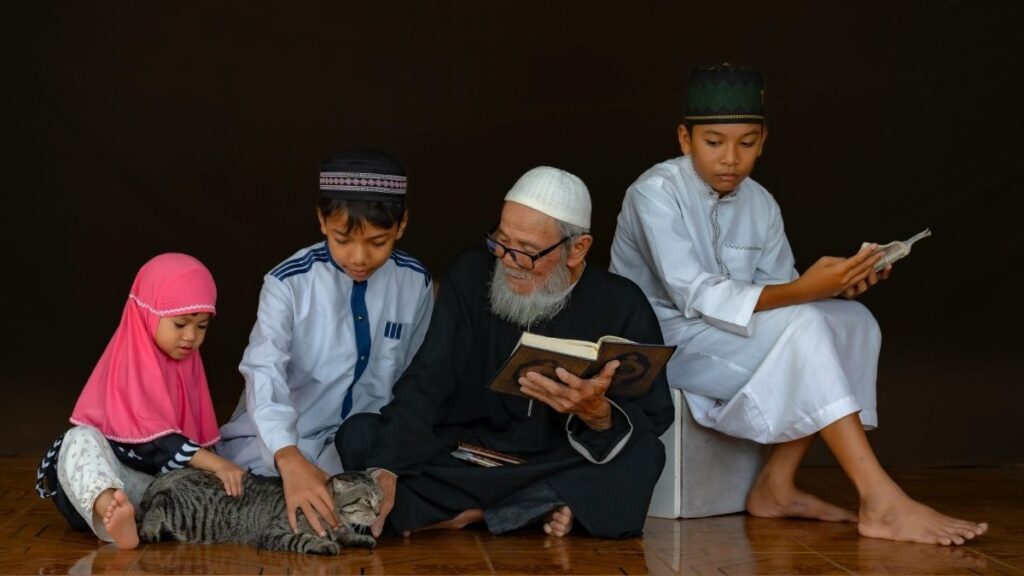
Shab-e-Barat is known by many names across the Muslim world, reflecting the diverse cultures that observe it.
Widely Used Names:
- Shab-e-Barat — Standard name in Urdu and Persian (South Asia)
- Shab-e-Bara’at — Urdu variant meaning “Night of Freedom (from Hell)”
- Nisfu Sha’ban / Nisfu Syaaban — Arabic and Southeast Asian name meaning “Mid-Sha’ban”
- Laylatun Nisf min Sha’ban — Classical Arabic name
Regional and Country-Specific Names:
- Berat Kandili — Turkey (one of the five sacred Kandil nights of the Ottoman tradition)
- Barat Festival / Barat — Iran, Afghanistan, Kurdish communities (especially in Khorasan)
- Bara’at Night — used in parts of the Arab world among Sufi and Shia communities
Diaspora Naming: In the UK, USA, Canada, and Australia, the night is most commonly referred to as Shab-e-Barat or the Night of Forgiveness, often promoted by mosque communities and Islamic centers through special programs.
Origins, History, and Legends of Shab-e-Barat
Hadith and Scriptural Foundations
The significance of the 15th of Sha’ban is drawn from hadith traditions of the Prophet Muhammad (PBUH). According to one widely cited narration, on this night Allah’s mercy descends to the lowest heaven, and He calls out asking who seeks forgiveness, who seeks sustenance, and who is in difficulty — granting all of it.
Another tradition records that the Prophet visited the graveyard of Baqi’ in Medina on this night and prayed for the deceased Muslims buried there — establishing the tradition of grave visits that is central to Shab-e-Barat observance.
Classical Islamic scholars — including Imam Shafi’i, Imam Nawawi, Imam Ghazali, and Imam Suyuti — recognized the merit of prayer on this night. Imam Nawawi, in his Al-Majmu, quotes Imam Shafi’i listing five sacred nights when du’a is answered — one being the 15th of Sha’ban.
Shia Significance
For Twelver Shia Muslims, Shab-e-Barat holds the additional significance of being the birthday of Imam Muhammad al-Mahdi, the twelfth and final Imam, born in 868 CE. Imams Ja’far al-Sadiq and Muhammad al-Baqir are recorded to have performed special prayers on this night.
Historical Roots
The observance of Shab-e-Barat as a communal festival — with lights, sweets, and grave visits — traces back through centuries of Persian, Central Asian, and South Asian Muslim civilization. In the Ottoman Empire, Sultan Selim II institutionalized the illumination of mosque minarets on sacred nights, giving rise to the “Kandil nights” tradition still alive in Turkey today.
Shab-e-Barat Cultural and Spiritual Significance
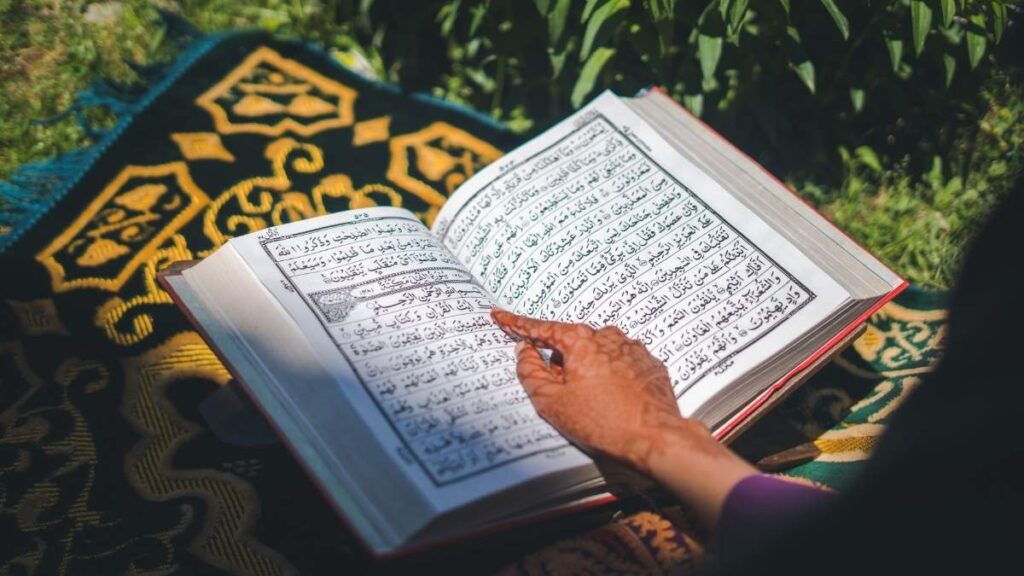
Shab-e-Barat carries meaning on multiple levels. Spiritually, it represents divine accessibility — a night when the gates of forgiveness are believed to be wide open, encouraging deep self-reflection and sincere supplication.
Communally, it is a night of togetherness. Families pray for departed relatives, neighbors share sweets, and mosques fill with worshippers seeking renewed faith. Culturally, the festival beautifully blends Islamic devotion with regional traditions — from halwa in South Asia to Peganum harmala incense in Iran — each expression different in form but united in intention.
Shab-e-Barat also serves as a spiritual gateway to Ramadan, arriving just two weeks before the holy month. Many Muslims use this night to resolve past conflicts, seek forgiveness from one another, and renew their commitment to faith.
Shab-e-Barat Prayers and Religious Observances
The primary observance of Shab-e-Barat is staying awake through the night in prayer, beginning after Isha (night prayer) and continuing until Fajr (dawn). Key practices include:
- Salah (Namaz): Extended voluntary night prayers, including Tahajjud, seeking forgiveness and divine mercy
- Quran Recitation: Reading or listening to the Quran through the night
- Du’a (Supplication): Personal and communal prayers for oneself, family, and the deceased
- Dhikr: Repeated remembrance of Allah — Subhanallah, Alhamdulillah, Allahu Akbar
- Istighfar: Seeking forgiveness with “Astaghfirullah”
- Visiting Graves: Following the prophetic example, Muslims visit cemeteries to pray for departed loved ones, light candles, place flowers, and recite the Fatiha
- Fasting: Fasting on the 15th of Sha’ban (February 4) is recommended; some also fast on the 13th and 14th — the “White Days” of Sha’ban
Whether observed at home through quiet family prayer or in the mosque through congregational gatherings, the night is centered on devotion, repentance, and remembrance. mantras, Gayatri mantra, and melodious Chhath folk songs throughout the observance.
How Shab-e-Barat Is Celebrated Across India
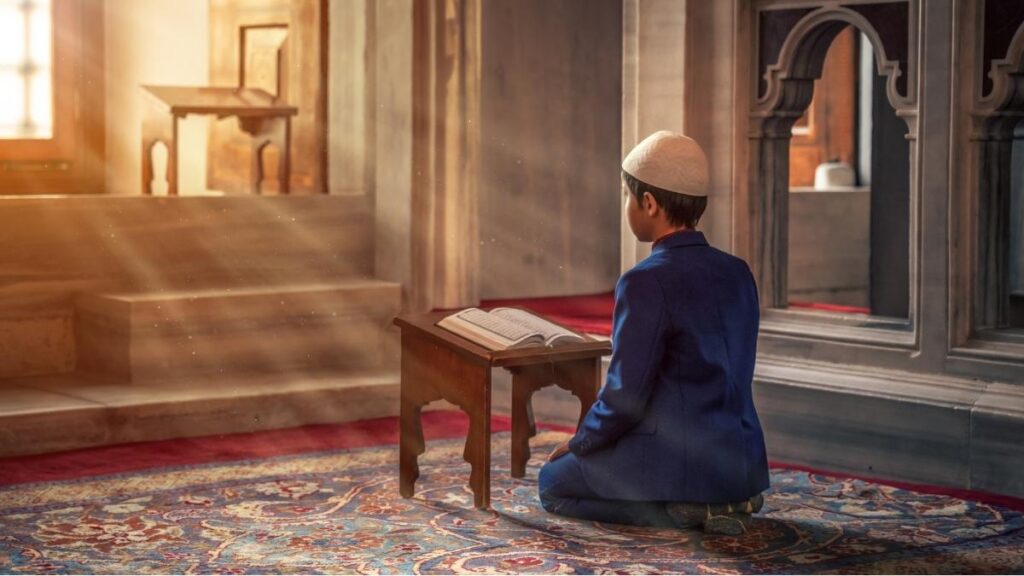
Shab-e-Barat is observed across India with distinct regional flavors.
In Hyderabad, the night is among the most visually spectacular — the old city near Charminar lights up with candles, lanterns, and fireworks, while families visit graveyards and prepare traditional sweets like Sheer Khurma and Double ka Meetha.
In Uttar Pradesh and Delhi, large congregational prayers are held in historic mosques. Lucknow, Agra, and Delhi’s Jama Masjid see thousands gather for all-night prayers and recitations.
In West Bengal, the Muslim community observes the night with prayers and communal gatherings, particularly in Kolkata’s Metiabruz and Park Circus neighborhoods.
In Kashmir, candlelit graveyards and the fragrance of incense mark a deeply emotional night of prayer for the departed.
In Kerala, the observance is more scholarly and devotional, with congregational prayers and recitations following the guidance of local Islamic scholars.
Across India, the Barelvi tradition tends toward more elaborate public observance — illuminated mosques, communal programs, and distributions of halwa — while the Darul Uloom Deoband position supports individual worship while discouraging communal innovations.
Participation Across Religions in India
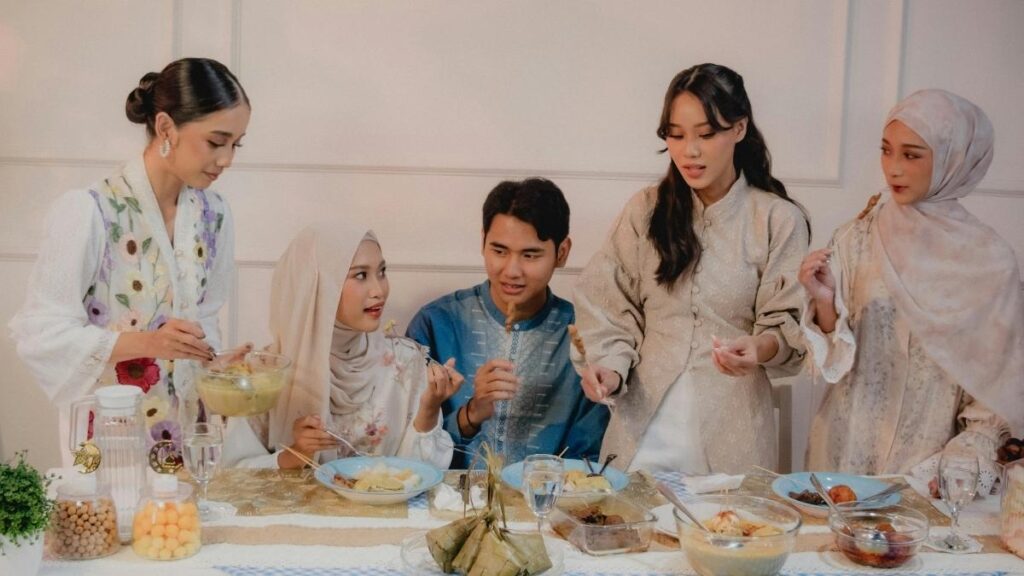
While Shab-e-Barat is an Islamic occasion, its community spirit often extends beyond religious lines. In many Indian neighborhoods, the distribution of halwa and sweets by Muslim families to neighbors of all faiths is a warm and long-standing tradition. The act of sharing food and the lighting of lamps creates a communal warmth that resonates across religious boundaries, reflecting India’s deeply pluralistic culture.
How Shab-e-Barat Is Celebrated Outside India
Shab-e-Barat travels with Muslim communities across the world, taking on local colors while retaining its spiritual core.
United Kingdom: Mosques in Birmingham, Bradford, London, and Leicester run special all-night programs. South Asian families gather for prayers and community meals after graveyard visits.
USA: Islamic centers in New York, Houston, Chicago, and Dearborn (Michigan) host Shab-e-Barat programs with lectures, Quran recitations, and communal prayers.
Canada: Toronto and Mississauga communities observe the night with mosque events, halwa distributions, and virtual family connections to traditions back home.
UAE: A large South Asian Muslim workforce in Dubai, Abu Dhabi, and Sharjah observes the night through mosque programs — many away from home, making the night especially meaningful.
Australia & New Zealand: Mosques in Sydney, Melbourne, and Auckland hold special programs. Digital platforms increasingly allow communities to join prayers and lectures across distances.
Germany: Turkish-origin Muslim communities observe Berat Kandili with mosque gatherings and minarets lit in the Ottoman tradition.
Singapore: Malay Muslim communities observe Nisfu Sha’ban with mosque programs, communal doa, and visits to Pusara Aman cemetery.
Shab-e-Barat Gifting Traditions
Shab-e-Barat gifting is centered on generosity and spiritual merit rather than material exchange.
Traditional sharing of halwa, savaiyyan, and sweets with neighbors and the poor is the most cherished tradition — feeding others on a holy night is considered deeply meritorious.
Charity (Sadaqah) — giving money or food to those in need — is especially valued on this night.
Diaspora gifting often involves sending money home with the instruction to distribute food and sweets on one’s behalf — a meaningful way to stay connected to tradition across borders.
Modern gifts include prayer beads (tasbih), prayer rugs, copies of the Quran, Islamic books, and donations made in a loved one’s name to charitable organizations.
Shab-e-Barat Foods and Culinary Traditions
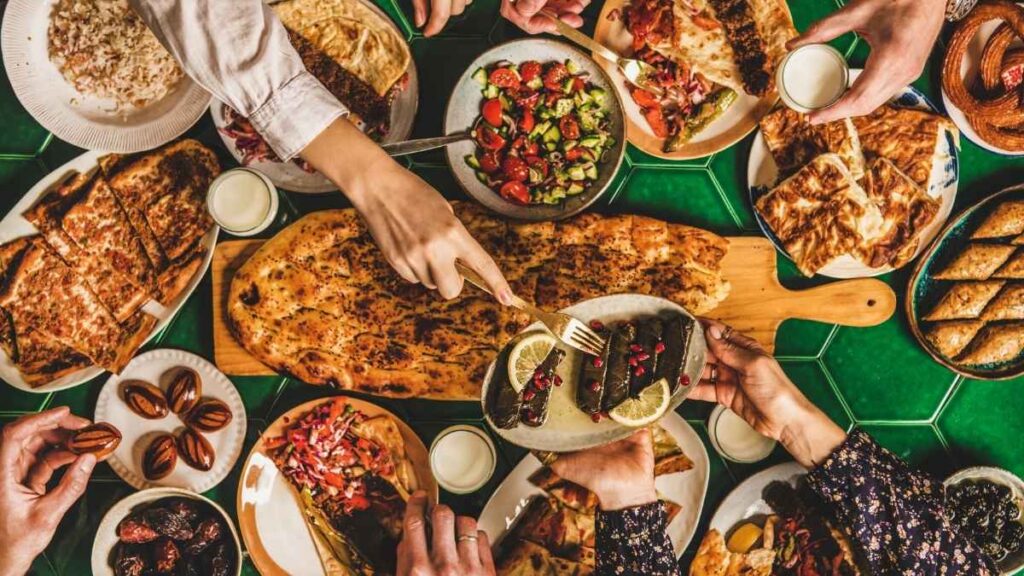
Food is a central expression of Shab-e-Barat’s communal spirit. Dishes are prepared and freely shared as acts of generosity.
Common Shab-e-Barat foods include:
- Halwa (Halva) — dense, fragrant sweet made from semolina, ghee, sugar, and cardamom; the quintessential Shab-e-Barat offering across South Asia and Iran
- Savaiyyan (Vermicelli Pudding) — creamy vermicelli cooked in milk with sugar and cardamom, distributed to neighbors and the poor
- Zarda — sweet saffron rice with nuts and dried fruits, a festive staple in Pakistani homes
- Sheer Khurma — rich milk pudding with vermicelli, dates, and nuts, especially popular in Hyderabad
- Bangladesh’s Decorative Breads — soft, fluffy breads molded into fish and kalka (paisley) shapes using traditional molds, a unique Dhaka tradition
- Bengali Sweets — Halua, Borfi, Sandesh, Pitha, Rasmalai, and Naru, prepared and distributed in Bangladeshi households
The act of feeding others — whether through halwa distributed to neighbors or meals offered to the poor — is among the most spiritually valued acts of Shab-e-Barat night.
Shab-e-Barat: Music, Art, and Cultural Expression
While Shab-e-Barat is fundamentally a night of prayer, cultural expression has always been part of its fabric.
Na’at and Qasida — devotional poetry praising the Prophet (PBUH) — is recited and sung in homes, mosques, and community halls. Na’at Mehfils are organized across Pakistan, India, and Bangladesh.
Waz Mehfil — Islamic scholarly lectures — are a significant cultural feature of the night in Bangladesh.
Bengali Ghazal Mehfil blends literary tradition with religious devotion in Bangladeshi communities.
The illumination of streets, mosques, and homes with colorful buntings, lanterns, and candles transforms neighborhoods into glowing celebrations of faith.
In the digital age, beautifully designed Shab-e-Barat cards, calligraphic artwork, and prayer videos circulate widely on WhatsApp and Instagram — a new form of cultural expression that carries the night’s spirit into connected communities worldwide.
Shab-e-Barat’s Modern Relevance and Cultural Continuity
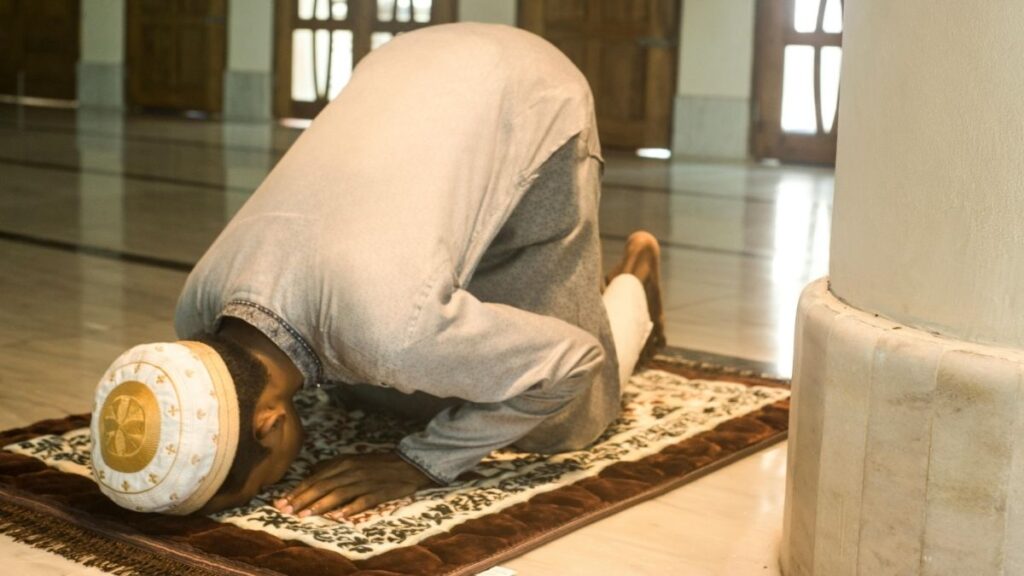
Shab-e-Barat in 2026 reflects both timeless devotion and thoughtful adaptation.
Digital connectivity has transformed diaspora observance. Virtual mosque programs are streamed live; WhatsApp groups light up with prayers and well-wishes; Islamic apps offer guided night prayer schedules curated for Shab-e-Barat.
Sustainability is increasingly on the agenda — environmental groups and local authorities in cities like Hyderabad are encouraging candles and eco-friendly lanterns over firecrackers, honoring the night’s spirit without environmental cost.
Scholarly discourse on which practices are rooted in authentic tradition continues to be more accessible online, helping worshippers make informed and intentional choices.
How to wish someone: The traditional greeting is “Shab-e-Barat Mubarak” — wishing a blessed Night of Forgiveness. In Turkish: “Berat Kandili Mübarek Olsun.”
Cultural Reflection
Shab-e-Barat endures because it speaks to something deeply human — the longing for forgiveness, the hope for a new beginning, and the desire to hold loved ones, living and departed, in our prayers.
Whether expressed through fragrant halwa shared with a neighbor in Karachi, candlelit graves in Khorasan, all-night prayers in a Birmingham mosque, or a quiet du’a from a living room in Toronto, the night’s essence remains unchanged. It is a reminder that the door to mercy is always open — and that there are moments in the year when tradition invites us to walk through it together.
As communities grow and the world becomes more connected, Shab-e-Barat continues to be carried forward — a living thread connecting millions to their faith, their families, and their heritage.