
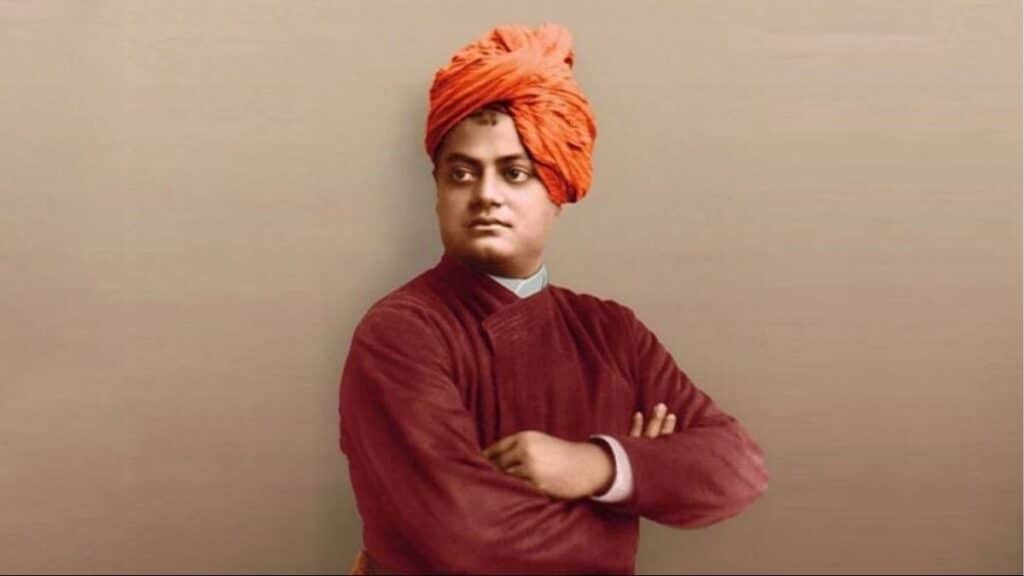
Swami Vivekananda Jayanti is one of India’s most revered and nationally significant occasions, celebrated annually to honour the birth anniversary of Swami Vivekananda — philosopher, monk, and spiritual reformer who brought India’s ancient wisdom to the global stage. Observed on January 12 each year, the day is officially recognised by the Government of India as National Youth Day (Rashtriya Yuva Diwas), a tribute to Vivekananda’s enduring belief in the transformative power of youth. His timeless teachings on courage, self-reliance, spiritual discipline, and service to humanity continue to inspire millions across India and the world.
When Is Swami Vivekananda Jayanti Celebrated in 2026?
Swami Vivekananda Jayanti is observed on January 12 every year — the birth date of Swami Vivekananda as recorded in the Gregorian calendar. Unlike many Hindu festivals that follow the lunar calendar and shift annually, Vivekananda Jayanti falls on a fixed date each year.
However, the traditional tithi-based observance follows the Hindu almanac. According to the Vishuddha Siddhanta Almanac, Vivekananda was born on Pausha Krishna Saptami, which falls on a different English calendar date each year. Ramakrishna Math and Mission centres worldwide observe the Jayanti on this tithi in a traditional Hindu manner.
Table of Contents
Swami Vivekananda Jayanti In USA, Canada, Australia, New Zealand, UK, UAE, Singapore 2026 Dates
Swami Vivekananda Jayanti on Monday, January 12, 2026
Swami Vivekananda Jayanti on Monday, January 12, 2026
Swami Vivekananda Jayanti on Monday, January 12, 2026
Swami Vivekananda Jayanti on Monday, January 12, 2026
Swami Vivekananda Jayanti on Monday, January 12, 2026
Swami Vivekananda Jayanti on Monday, January 12, 2026
Swami Vivekananda Jayanti Overview
Swami Vivekananda Jayanti commemorates the birth anniversary of Narendranath Datta — born January 12, 1863, in Kolkata — who became one of the most influential spiritual figures of the modern world. As the foremost disciple of Sri Ramakrishna Paramahamsa, he founded the Ramakrishna Mission and Belur Math, institutions that continue to serve humanity through education, healthcare, and relief work.
His landmark address at the Parliament of the World’s Religions in Chicago in 1893 introduced Vedanta and Indian spirituality to the Western world and established India’s philosophical voice on the global stage. In 1984, the Government of India declared January 12 as National Youth Day, recognising that Vivekananda’s ideals hold the greatest relevance for India’s younger generations.
Swami Vivekananda Jayanti is observed by Hindus, Vedanta followers, students, and youth organisations — but its universal message of strength, service, and self-realisation speaks to people of all faiths.
Other Names and Regional Identities
Swami Vivekananda Jayanti is known across India’s linguistic regions by the following names:
- Hindi: स्वामी विवेकानंद जयंती (Swami Vivekananda Jayanti)
- Bengali: স্বামী বিবেকানন্দ জন্মজয়ন্তী (Swami Vivekananda Janmajayanty)
- Tamil: சுவாமி விவேகானந்தர் ஜெயந்தி
- Telugu: స్వామి వివేకానంద జయంతి
- Kannada: ಸ್ವಾಮಿ ವಿವೇಕಾನಂದ ಜಯಂತಿ
- Malayalam: സ്വാമി വിവേകാനന്ദ ജയന്തി
- Marathi: स्वामी विवेकानंद जयंती
- National observance: Rashtriya Yuva Diwas (राष्ट्रीय युवा दिवस) — National Youth Day
- In Ramakrishna Mission circles: Vivekananda Jayanti, observed on Pausha Krishna Saptami
Internationally, among Vedanta societies and Indian diaspora communities, the day is widely referred to as Vivekananda Jayanti or National Youth Day of India.
Origins, History, and Legacy
Narendranath Datta was born on January 12, 1863, into an educated Bengali family in Kolkata. Intellectually restless and spiritually curious from an early age, his transformative meeting with Sri Ramakrishna Paramahamsa at Dakshineswar shaped the entire course of his life. Ramakrishna recognised in Narendra an extraordinary spiritual vessel, and years of discipleship led him to the direct realisation of the Divine.
After Ramakrishna’s passing in 1886, Vivekananda took monastic vows and undertook an extensive pilgrimage across India — walking barefoot, witnessing the poverty and diversity of the land that would become the foundation of his mission of service.
The defining moment came in 1893 at the Parliament of the World’s Religions in Chicago, where his opening address moved the audience to a standing ovation. His articulation of Vedanta’s universal vision — that all religions are paths to the same truth — made him an international figure overnight.
He returned to India and founded the Ramakrishna Mission in 1897 and Belur Math, institutions that continue to serve humanity to this day. Vivekananda passed away on July 4, 1902, at only 39, but left behind a legacy that continues to shape India’s spiritual, cultural, and national identity.
Cultural and Spiritual Significance
Swami Vivekananda Jayanti carries deep significance — spiritual, cultural, and national.
Spiritually, Vivekananda is celebrated as a bridge between ancient Indian wisdom and the modern world. He presented Vedanta not as abstract philosophy but as a practical, lived truth accessible to every human being. His declaration that every act of service to a human being is worship of God — Daridra Narayana Seva — became the foundation of socially engaged spirituality in India.
Culturally, the Jayanti is a moment for India to reaffirm its civilisational identity. At a time when colonialism had dented India’s cultural confidence, his fearless assertion of Indian philosophy’s global relevance was both healing and empowering. His call — “Arise, Awake, and Stop Not Till the Goal is Reached” — became a rallying cry for a nation rediscovering itself.
For the Indian youth, Vivekananda represents intellectual vigour, spiritual depth, physical vitality, and moral courage — a rare combination that makes him timelessly relevant.
Prayers and Religious Observances
At Ramakrishna Math and Mission centres, Vivekananda Jayanti is observed with traditional Hindu rituals including Mangal Arati (early morning worship), special puja with flowers and offerings, Homa (sacred fire ritual with Vedic chanting), collective meditation, devotional songs, and Sandhya Arati (evening vesper service). Passages from Vivekananda’s Complete Works are read aloud, and spiritual discourses are delivered.
At home, devotees light incense and lamps before Vivekananda’s portrait, reflect on his teachings, and observe meditation or silence in his honour. Many read from Jnana Yoga, Raja Yoga, or his letters and poems. Community satsangs are also commonly organised in homes and neighbourhood temples on this day.
Celebrations Across India
West Bengal: As Vivekananda’s home state, Bengal observes the Jayanti with particular reverence. Belur Math — the headquarters of Ramakrishna Math and Mission on the banks of the Hooghly — holds elaborate religious observances attended by thousands. Cultural programmes and exhibitions run for several days around the occasion.
Delhi and North India: Government schools and colleges host National Youth Day events with speeches, yoga demonstrations, and essay competitions. National leaders traditionally pay tribute to Vivekananda at official ceremonies.
Tamil Nadu: Ramakrishna Mission centres in Chennai and other cities hold special programmes. Youth conventions draw large participation, inspired by Vivekananda’s Tamil discourses.
Maharashtra and Karnataka: Mumbai, Pune, Bengaluru, and Mysuru host youth seminars, philosophical talks, and community service drives, especially through Vivekananda Kendra and affiliated organisations.
Across the country, state governments, educational institutions, and spiritual bodies observe the day with programmes tailored to their regional character.
Participation Across Religions in India
While Swami Vivekananda was a Hindu monk rooted in Vedanta, his vision was explicitly universal. He spoke with equal reverence of Christ, Mohammad, Buddha, and the Vedic rishis, and believed deeply in the harmony of all religions.
As a result, Vivekananda Jayanti transcends narrow religious boundaries. Educational institutions of all denominations observe the day. The Ramakrishna Mission itself — serving people of all faiths through schools, hospitals, and relief work — embodies the interfaith spirit Vivekananda championed. National Youth Day events organised by state governments explicitly invite youth from all communities, making it a genuinely inclusive national occasion.
How Swami Vivekananda Jayanti Is Celebrated Outside India
Vivekananda’s 1893 Chicago address put India on the global spiritual map, and his legacy continues to resonate worldwide.
USA: Vedanta Societies in New York, Chicago, San Francisco, Los Angeles, and Seattle hold special programmes, meditation sessions, and public lectures. The Vedanta Society of New York — established in 1894 — is one of the oldest Indian spiritual organisations in the Western world.
UK: Indian community organisations, Hindu temples, and Vedanta centres in London, Leicester, and Birmingham observe the Jayanti with cultural events and religious programmes.
Canada, UAE, Australia, New Zealand, Germany, and Singapore: Indian diaspora associations, Hindu temples, and Ramakrishna Mission-affiliated centres mark the day through spiritual gatherings, youth panels, and community service initiatives.
Gifting Traditions
Swami Vivekananda Jayanti does not carry elaborate gifting customs, but meaningful gestures have become established. Gifting books by or about Swami Vivekananda — his Complete Works, biographies, or collections of letters and poems — is one of the most cherished practices. Sharing quotation cards with his teachings, digitally or in print, is widely observed. Many make donations to Ramakrishna Mission schools, hospitals, or relief funds in his name. At temples and Mission centres, prasad is distributed to all visitors after puja, honouring the spirit of seva that Vivekananda embodied.
Swami Vivekananda Jayanti Foods and Culinary Traditions
Swami Vivekananda Jayanti is not primarily a culinary festival, but spiritual and community observances include food as an expression of hospitality and service. At Ramakrishna Mission centres and temples, a prasad bhandara — a communal sacred meal — is offered to all visitors regardless of background. Food is typically sattvic and vegetarian: rice, khichdi, vegetable preparations, sweets, and fruits, in keeping with the ashram tradition.
In Bengali households, the Jayanti may be marked with traditional sweets like sandesh, rasgulla, and mihidana, honouring Vivekananda’s Kolkata roots. The spirit of the day is less about elaborate cooking and more about the Vivekananda-inspired value of sharing food as an act of service — a direct expression of his teaching that feeding the hungry is worship.
Music, Art, and Cultural Expression
Vivekananda’s life and teachings have inspired a rich tradition of creative expression. Devotional songs in his honour and in praise of Sri Ramakrishna are sung at Mission centres and homes. Classical musicians have set his poems and writings to ragas, and Rabindranath Tagore’s era produced poetry deeply influenced by the spiritual atmosphere Vivekananda helped create.
His iconic portrait — the luminous-eyed image in saffron robes — is among the most widely recognised images in Indian spiritual culture, reproduced in paintings, murals, and public art across the country. His Complete Works remain among the most widely read texts in Indian spiritual literature. Films, documentaries, and television biopics have brought his story to new generations, and schools frequently screen these on Jayanti day.
Modern Observance and Evolving Practices
In contemporary India, Swami Vivekananda Jayanti has grown beyond its religious origins into a widely observed civic occasion. National Youth Day events are live-streamed by state governments, schools, and cultural organisations, bringing Vivekananda’s teachings to millions digitally. Social media sees an outpouring of his quotes every January 12 — shared in Hindi, English, Bengali, Tamil, and other languages — making him one of the most quoted figures on Indian platforms.
Increasingly, youth organisations use the day to launch year-long volunteer initiatives, reading circles, and service projects inspired by Vivekananda’s emphasis on action over inertia.
The most common way to wish someone on this day: “Happy National Youth Day” or “Swami Vivekananda Jayanti Ki Shubhkamnayein” — often shared with one of his timeless quotes.
Cultural Reflection
More than 160 years after his birth, Swami Vivekananda remains profoundly relevant. In an age of rapid change and deepening divisions, his call to look inward for strength, serve without ego, and see the Divine in every human being offers extraordinary clarity. Vivekananda Jayanti is not just an anniversary — it is an annual renewal of a commitment to live with courage, think with depth, and serve with compassion. His life reminds us that the highest act of patriotism is the upliftment of human consciousness, and the highest form of worship is service to humanity.