

Teachers’ Day is one of India’s most beloved annual observances, celebrated every year on September 5 in honor of Dr. Sarvepalli Radhakrishnan — philosopher, scholar, and the second President of India. The day is a nationwide tribute to teachers, mentors, and educators who shape the minds, values, and futures of students across generations.
Unlike most Indian festivals, Teachers’ Day follows the Gregorian calendar and falls on a fixed date each year. It is observed across schools, colleges, and universities with cultural programs, award ceremonies, and heartfelt expressions of student gratitude.
When Is Teachers’ Day Celebrated in 2026?
Teachers’ Day 2026 falls on Saturday, September 5, 2026. Since the date is fixed to Dr. Radhakrishnan’s birth anniversary, it does not change year to year.
Teachers’ Day in India 2026 Date: Saturday, September 5, 2026 Note: As September 5 falls on a Saturday in 2026, most schools and colleges will hold their main celebrations on Friday, September 4, during school hours.
Table of Contents
Teachers’ Day In USA, Canada, Australia, New Zealand, UK, UAE, Singapore 2026 Dates
Teachers’ Day on Tuesday, May 5, 2026
Teachers’ Day on Monday, October 5, 2026
Teachers’ Day on Friday, October 30, 2026
National Thank a Teacher Day is on Wednesday, June 17, 2026
Teachers’ Day on Monday, October 5, 2026
Teachers’ Day on Friday, September 4, 2026
Why Does Teachers’ Day Always Fall on September 5?
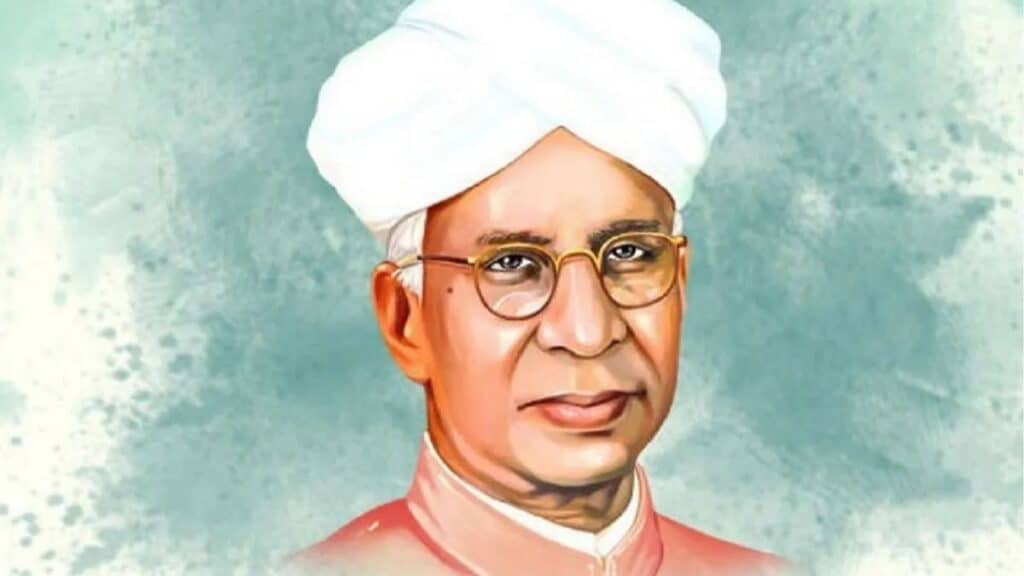
Unlike lunar-calendar festivals that shift annually, Teachers’ Day is tied to Dr. Radhakrishnan’s Gregorian birth date — September 5, 1888. The date is permanent and requires no annual calculation.
Teachers’ Day Overview
Teachers’ Day in India honors the educators who guide, inspire, and shape students at every stage of life. It is a day of gratitude, recognition, and reflection on the value of education to individuals and society. With over 9.7 million teachers serving more than 250 million students across India, the occasion carries enormous social significance.
The day is not a public holiday but is deeply embedded in school and college culture. Celebrations range from student performances and role-reversal traditions to national-level award ceremonies where the President of India honors outstanding educators. Increasingly, the observance has extended to digital platforms and diaspora communities worldwide.
Other Names and Regional Identities

Teachers’ Day is known by different names across India’s many languages:
- Hindi — शिक्षक दिवस (Shikshak Diwas)
- Tamil — ஆசிரியர் தினம் (Āsiriyar Tinam)
- Telugu — ఉపాధ్యాయ దినోత్సవం (Upādhyāya Dinotsavam)
- Kannada — ಶಿಕ್ಷಕರ ದಿನ (Śikṣakara Dina)
- Malayalam — അധ്യാപക ദിനം (Adhyāpaka Dinam)
- Bengali — শিক্ষক দিবস (Śikṣaka Dibasa)
- Marathi — शिक्षक दिन (Śikṣaka Dina)
- Gujarati — શિક્ષક દિવસ (Śikṣaka Divasa)
- Punjabi — ਅਧਿਆਪਕ ਦਿਵਸ (Adhiāpaka Divasa)
- Urdu — یوم اساتذہ (Yaum-e-Asatiza)
In diaspora communities globally, the day is referred to as Indian Teachers’ Day to distinguish it from local national teacher observances.
Origins, History, and Legends
Teachers’ Day in India traces its origin to the life and legacy of Dr. Sarvepalli Radhakrishnan. Born on September 5, 1888, in Tiruttani, Tamil Nadu, into a modest family, Radhakrishnan rose through scholarly determination to become one of the world’s most respected philosophers and educators. He earned his Master’s degree in Philosophy from Madras Christian College in 1907 and began teaching in 1909.
Over the following decades, he taught at the universities of Mysore and Calcutta, and held the prestigious Spalding Chair of Eastern Religions and Ethics at Oxford University. He authored over 20 books on Indian philosophy, comparative religion, and the Upanishads, bringing Indian thought to a global audience. He received the Bharat Ratna in 1954 and served as India’s first Vice President before becoming its second President in 1962.
The tradition of Teachers’ Day began in 1962, when his students and friends asked to celebrate his birthday. With characteristic humility, he requested instead that September 5 be observed as Teachers’ Day — a tribute to all teachers across the nation. That wish became a lasting national tradition.
The deeper roots of revering teachers in India stretch back thousands of years. The Guru-Shishya (teacher-student) relationship is considered sacred across Hindu, Buddhist, Jain, and Sikh traditions. The Taittiriya Upanishad’s invocation — Acharya devo bhava, “Let your teacher be your god” — finds its modern expression in every Teachers’ Day celebration.
Cultural and Spiritual Significance
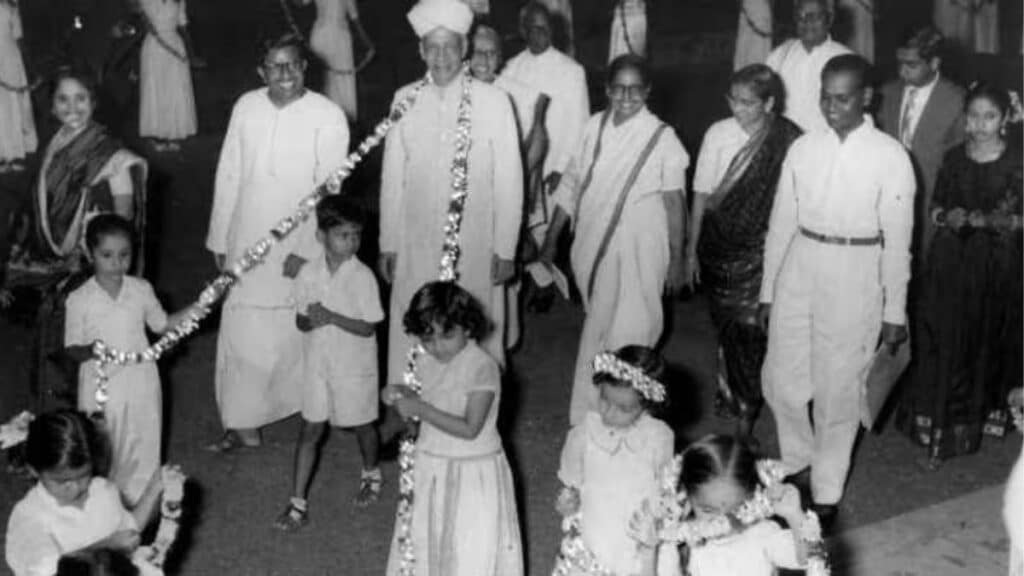
In Indian culture, the teacher — or guru — occupies a position of profound reverence. The word “guru” literally means “one who dispels darkness.” While Guru Purnima honors the spiritual dimension of this bond, Teachers’ Day recognizes the modern professional educator within a democratic, secular framework.
What makes the day significant is its dual character: it is both a personal gesture of gratitude from individual students and a collective national acknowledgment of teaching as a noble profession. Dr. Radhakrishnan’s own vision — that education should cultivate wisdom and character, not merely skills — remains a guiding ideal for Indian educators today.
Prayers and Religious Observances
Teachers’ Day is a secular observance with no prescribed religious rituals. However, many schools begin the day with a prayer assembly or invocation drawing from India’s diverse spiritual traditions.
In Hindu tradition, students recite the Guru Vandana: “Gurur Brahma Gurur Vishnu, Gurur Devo Maheshwarah, Gurur Saakshat Para Brahma, Tasmai Shri Guruve Namah” (The guru is Brahma, Vishnu, and Maheshwara. The guru is the supreme Brahman. Salutations to that guru.)
Sikh schools may read from the Guru Granth Sahib; Christian and Buddhist institutions hold their own prayers of thanksgiving for educators. Across all faiths, the spirit is shared — gratitude for those who guide and illuminate.
How Teachers’ Day Is Celebrated Across India

Teachers’ Day celebrations reflect India’s regional diversity while sharing a common spirit of gratitude and joy.
One of the most beloved traditions is the student-as-teacher role reversal, where senior students take over classes and teach their juniors for part of the day — deepening their appreciation for the profession.
North India: Schools in Delhi, UP, Rajasthan, and Punjab hold large cultural programs with performances, debates, and speeches. The Government of India hosts the National Teachers’ Awards ceremony, where the President honors 50 outstanding educators.
Tamil Nadu: With Dr. Radhakrishnan born in the state, Tamil Nadu observes the day with particular pride through essay contests, cultural events, and tributes in Tamil and English.
Maharashtra: Colleges organize symposia on education and felicitate faculty through formal student-led ceremonies.
West Bengal: The state’s literary tradition is reflected in recitations of Tagore’s poems on knowledge and the teacher-student relationship.
Kerala: Schools hold formal felicitation programs; many institutions present student-voted “Best Teacher” awards.
Karnataka and Andhra Pradesh: Cultural programs highlight regional philosophical and literary traditions alongside the national celebration.
Participation Across Religions in India
Teachers’ Day is one of India’s most inclusive observances. Because it is rooted in the universal value of respect for education, it transcends religious boundaries naturally.
Hindu students offer Guru Vandana and garlands. Muslim students draw on the Islamic tradition of deep respect for the Ustad (teacher). Sikh students honor the divine role of the Guru. Christian and Buddhist schools hold prayers of thanksgiving for educators. In multi-faith schools, celebrations are entirely shared events — students of all backgrounds participate together, reflecting the inclusive spirit that Dr. Radhakrishnan himself embodied throughout his life.
How Chhath Puja Is Celebrated Outside India
The Indian diaspora has carried Teachers’ Day traditions worldwide. In countries with large Indian communities, the day is observed through school functions, community programs, and digital tributes.
USA: Indian community schools and cultural associations in New York, Chicago, Houston, San Jose, and New Jersey organize programs. Indian-American children are encouraged to write personal thank-you notes to their teachers.
Canada: Cities including Toronto, Brampton, and Vancouver see events organized by Indian cultural associations and Hindi schools.
UK: Indian community organizations in London, Leicester, and Birmingham mark the occasion through school events and social media campaigns.
UAE: With a large Indian expatriate population, Indian CBSE and ICSE schools across Dubai, Abu Dhabi, and Sharjah hold full celebratory programs.
Australia and New Zealand: Community organizations in Sydney, Melbourne, Auckland, and Wellington organize informal gatherings and social media tributes.
Singapore: Indian schools and community centres hold events distinct from Singapore’s national Teachers’ Day observed in August.
Germany: Indian student associations at universities in Berlin, Munich, and Frankfurt lead celebrations, particularly among the growing Indian student population.
Teachers’ Day Gifting Traditions
Gift-giving on Teachers’ Day is heartfelt and personal rather than lavish. The tradition reflects Indian culture’s emphasis on expressing gratitude through thoughtful gesture.
Traditional gifts include handmade greeting cards with personal messages, flower bouquets, diaries and pens, books — particularly philosophical or literary works — and sweets or mithai. Students often pool resources for collective gifts: a potted plant, a framed group photograph, or a personalized memento. The personal note, however, is often what teachers cherish most.
Modern and diaspora gifting has evolved to include engraved keepsakes, digital gift cards, edtech subscriptions, and curated book sets. Video montage tributes compiled from school memories have also become a popular digital-era gift.
Teachers’ Day Foods and Culinary Traditions
Teachers’ Day does not carry a prescribed festive menu, but sharing sweets is an integral part of the celebration in most schools.
Students commonly bring homemade sweets — ladoos, barfi, halwa, or kheer — to share with teachers. In South India, payasam, coconut-based sweets, and murukku are popular. In North India, gulab jamun, jalebi, and besan ladoo are common offerings.
Many schools organize a staff tea or special lunch hosted by the student council. In diaspora communities, Teachers’ Day often coincides with a community potluck where Indian households bring dishes from their home state, creating a festive, multi-regional spread.
Music, Art, and Cultural Expression
Cultural performances are central to Teachers’ Day. School programs typically include classical and folk dance, patriotic songs, skits on teacher-student relationships, and musical tributes composed by students.
Popular Hindi film songs honoring educators — and films like Taare Zameen Par and Super 30 that center on extraordinary teacher-student bonds — are frequently performed or screened. Social media sees a wave of hand-drawn portraits and digital artworks depicting Dr. Radhakrishnan or beloved teachers.
In classical tradition, the Guru-Shishya parampara is celebrated through Bharatanatyam, Kathak, and other classical dance forms in which students perform for their gurus.
Modern Observance and Evolving Practices
Teachers’ Day has adapted gracefully to contemporary times. Digital platforms have expanded the reach of the celebration far beyond classrooms. WhatsApp forwards, Instagram Reels, YouTube tribute videos, and personalized e-cards now complement traditional school events.
The rise of online education since 2020 has added new dimensions. Many students now thank not only school teachers but also online educators — YouTube instructors and mentors on edtech platforms — who shaped their learning journeys.
There is also a growing awareness of teacher welfare and working conditions. NGOs and education advocates use September 5 to raise conversations about teacher salaries, training, and recognition — especially for educators in rural and underserved communities.
How to wish someone on Teachers’ Day: A sincere, personal message is always the most meaningful. “Happy Teachers’ Day — thank you for everything you’ve taught me” never fails. In Hindi: Shikshak Diwas ki Shubhkamnayein (शिक्षक दिवस की शुभकामनाएं). In Tamil: Āsiriyar Tinam Vāzhttukkal. A specific memory or lesson makes any message far more meaningful than a generic one.
Cultural Reflection
Teachers’ Day 2026 arrives at a moment when the role of the teacher is both more challenged and more essential than ever. Artificial intelligence is reshaping classrooms, edtech platforms are multiplying, and knowledge itself is evolving rapidly. Yet the human teacher — who builds relationships, models character, and inspires curiosity — remains irreplaceable.
Dr. Radhakrishnan’s vision of education as a moral enterprise, not merely a technical one, feels profoundly relevant today. His life — from humble origins in Tamil Nadu to Oxford and the Rashtrapati Bhavan — is itself a testament to what education can accomplish.
Teachers’ Day is ultimately a reminder that behind every achievement, there is a teacher who believed in someone before they believed in themselves. On September 5, 2026, that quiet, enduring truth is worth celebrating.