
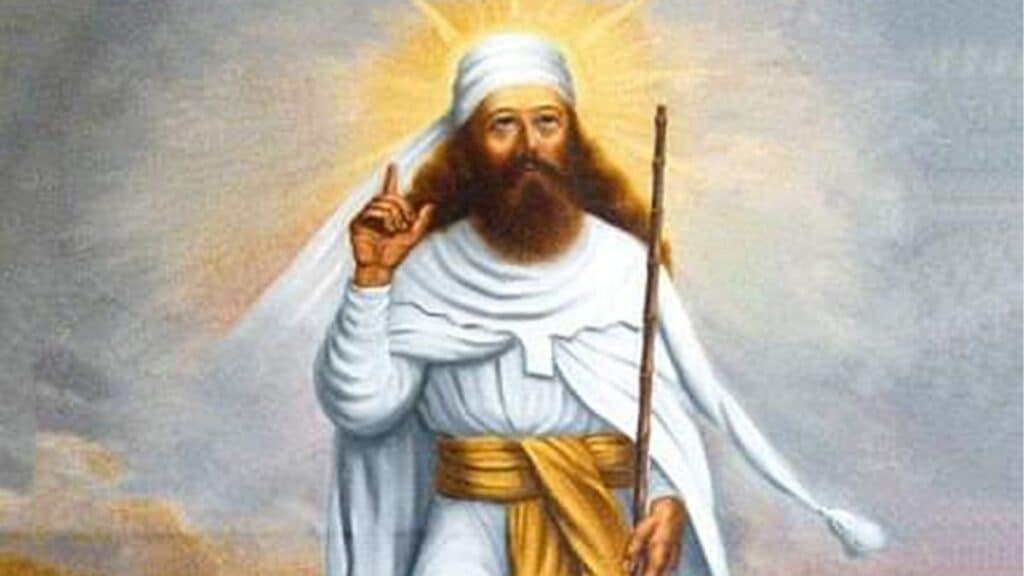
Zarthost No Deeso, also known as Zartosht No-Diso, is one of the most solemn and sacred days in the Zoroastrian religious calendar. It marks the death anniversary of Prophet Zarathushtra (Zoroaster), the founder of Zoroastrianism — one of the world’s oldest revealed religions. Observed with reverence rather than mourning, this day is a time for prayer, reflection, and remembrance of the Prophet’s eternal message: Good Thoughts, Good Words, Good Deeds.
Fire Temples across India and the world see significantly higher attendance, with special prayers, lectures, and discussions held in honor of the Prophet’s life and legacy.
When Is Zarthost No Deeso Celebrated in 2026?
Zarthost No Deeso is observed on the 11th day (Khorshed) of the 10th month (Dae) of the Zoroastrian calendar. The date varies depending on which calendar a community follows.
Zarthost No Deeso 2026 (Parsi/Shenshai Calendar): Friday, May 22, 2026
| Calendar | 2026 Date |
|---|---|
| Shenshai (Parsi) | May 22, 2026 |
| Iranian / Fasli | December 26, 2026 |
Table of Contents
Zarthost No Deeso In USA, Canada, Australia, New Zealand, UK, UAE, Singapore 2026 Dates
- Zarthost No Deeso (Parsi/Shenshai Calendar): Friday, May 22, 2026
- Zarthost No Deeso (Parsi/Shenshai Calendar): Friday, May 22, 2026
- Zarthost No Deeso (Parsi/Shenshai Calendar): Friday, May 22, 2026
- Zarthost No Deeso (Parsi/Shenshai Calendar): Friday, May 22, 2026
- Zarthost No Deeso (Parsi/Shenshai Calendar): Friday, May 22, 2026
- Zarthost No Deeso (Parsi/Shenshai Calendar): Friday, May 22, 2026
Why Do the Dates of Zarthost No Deeso Change Every Year?
Zarthost No Deeso does not follow the Gregorian calendar. The Zoroastrian community follows two distinct calendar systems — the Shenshai and the Fasli (Iranian) — which is why two separate dates exist for the same occasion each year.
The Shenshai calendar, used by the Parsi community of India and most diaspora communities, does not intercalate leap years. Over centuries, this has caused it to drift approximately one month ahead of the solar year. The Fasli/Iranian calendar, reformed to align with the solar year, keeps December 26 as a fixed date. As a result, the same sacred remembrance falls in May for Parsis and December for Iranian Zoroastrians.
Zarthost No Deeso — Other Names and Regional Identities
The occasion is known by several spellings and names across the Zoroastrian world:
Zarthost No Deeso — Most common Gujarati-derived spelling used by Indian Parsis
Zartosht No-Diso / Zartosht No Diso — Alternative transliterations used in scholarly and liturgical contexts
Death Anniversary of Prophet Zarathushtra — English reference used in international and interfaith contexts
Commemoration of Zoroaster — Used in academic and interfaith settings
In Gujarati, “No Deeso” translates to “the death day of” — making the full name mean “The Death Day of Zarthost.” The observance is also referred to as a Parsi remembrance day in broader Indian cultural discourse.
Origins, History, and Legends of Zarthost No Deeso
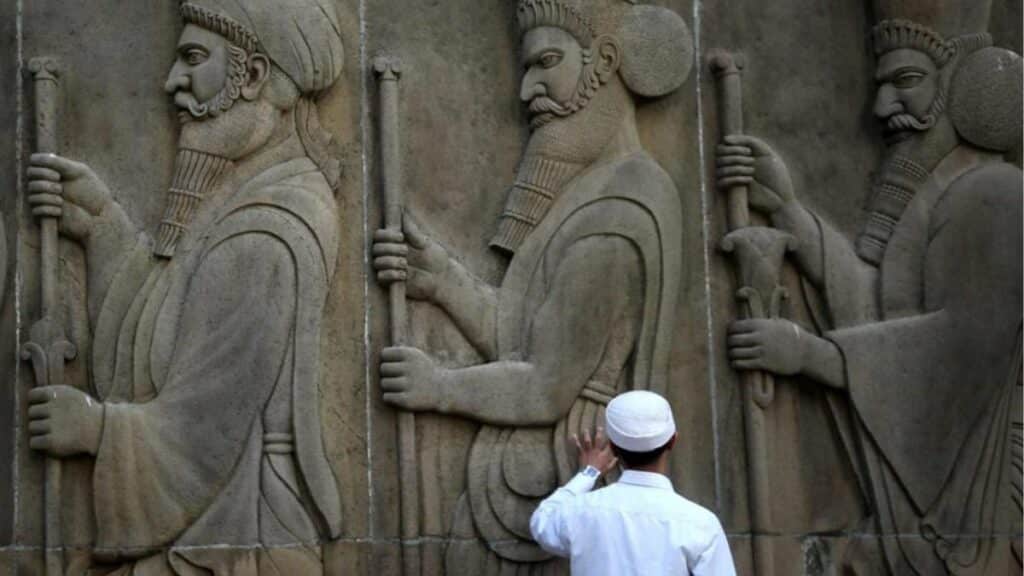
The Prophet Zarathushtra
Zarathushtra (Greek: Zoroaster) is believed to have lived in ancient Iran, with scholars estimating his era anywhere between 1500 BCE and 600 BCE. He received divine revelation from Ahura Mazda (the Wise Lord) and founded a religion centered on truth (Asha), righteousness, and the eternal struggle between good and evil. His teachings — preserved in the Gathas, the oldest hymns of the Avesta — remain the spiritual foundation of Zoroastrianism.
The Death of Zarathushtra — What Tradition Says
Zarathushtra’s death is not mentioned in the Avesta. However, the Shahnama (Book of Kings, 5.92) by the Persian poet Ferdowsi records that he was murdered at the altar by Turanian invaders during the storming of Balkh (in present-day Afghanistan), while in prayer, at the age of 77. Some traditions name his killer as a Turanian soldier named Bratroresh. Many modern scholars, however, believe Zarathushtra may have died peacefully in old age, and that the martyrdom narrative developed later through legend.
Despite this uncertainty, the date has been observed for centuries as a day of solemn remembrance — a marker of profound loss and spiritual continuity for the Zoroastrian community.
Cultural and Spiritual Significance
Zarthost No Deeso holds deep spiritual meaning for Zoroastrians worldwide. In Zoroastrian belief, death is not an occasion for grief but a transition of the soul (urvan) to the spiritual realm. As such, the day involves no formal mourning — only reverence, prayer, and reflection.
Central to the day’s observance is the concept of the Fravashi (Farohar) — the divine guardian spirit that exists before birth and persists after death. Honoring the Fravashi of Zarathushtra is the most important spiritual act of this occasion.
Beyond theology, the day carries cultural and communal significance — particularly for a community of fewer than 200,000 people worldwide. Zarthost No Deeso reinforces Zoroastrian identity, strengthens community bonds, and reaffirms the living relevance of the Prophet’s teaching: Humata, Hukhta, Hvarshta — Good Thoughts, Good Words, Good Deeds. This moral code, simple yet profound, continues to guide Zoroastrian life across generations and geographies.
Prayers and Religious Observances
Prayers on Zarthost No Deeso are focused on remembrance, reverence, and the honoring of the Prophet’s Fravashi. Observances take place both at Fire Temples and at home.
At the Fire Temple (Agiary / Atash Behram): Attendance is significantly higher than usual. A larger number of Mobeds (Zoroastrian priests) are brought to conduct extended prayer services at the sacred fire, which is tended with particular care. Key prayers include the Afringan (prayer of blessing), Farokhshi and Stum (memorial prayers for departed souls), and the recitation of the Gathas — the hymns composed by Zarathushtra himself. Offerings of sandalwood and frankincense are placed in the fire as acts of devotion.
At Home: Devout Zoroastrians light a divo (oil lamp), recite from the Khordeh Avesta (the daily prayer book), and spend time in personal reflection. Families may gather to read or discuss the Gathas together.
Community Programs: Anjuman halls and community centers hold lectures, panel discussions, and educational sessions on Zarathushtra’s life and philosophy, bringing together priests, scholars, and community members
How Zarthost No Deeso Is Celebrated Across India

India is home to the world’s largest Parsi Zoroastrian community, and Zarthost No Deeso is observed with notable solemnity across Parsi-populated cities.
Mumbai is the heart of Parsi life in India. Major Fire Temples including the Wadiaji Atash Behram and the Anjuman Atash Behram hold extended prayer services, while community halls in Dadar Parsi Colony host remembrance programs.
Surat and Navsari in Gujarat — historic centers of Parsi settlement — observe the day through their Agiaries and local Anjumans, with Navsari’s Atash Behram holding special religious significance.
Pune holds prayers and remembrance events at local fire temples and the Zoroastrian community center, drawing families from across the city.
Smaller Parsi communities in Ahmedabad, Kolkata, Chennai, and Delhi observe the day through local Anjuman organizations and prayer gatherings, keeping the tradition alive even in cities with dwindling Parsi populations.
Participation Across Religions in India
Zarthost No Deeso is primarily an internal Zoroastrian religious observance. The inner sanctums of Fire Temples are open only to Zoroastrians, and the core rituals are community-specific. However, the day has a broader cultural resonance in India.
Academic institutions — particularly in Mumbai — occasionally host public lectures on Zarathushtra’s philosophical contributions that are open to all. Non-Zoroastrian friends and colleagues of Parsis often extend their sincere respects on this day. Zarathushtra’s teachings — emphasizing truth, righteousness, and the rejection of evil — find philosophical resonance across Hinduism, Buddhism, and secular Indian thought, making this an occasion for broader cultural reflection even beyond the Zoroastrian community.
How Zarthost No Deeso Is Celebrated Outside India
Zoroastrian diaspora communities maintain their traditions with remarkable dedication, observing Zarthost No Deeso across the world.
USA: Communities in Houston, Los Angeles, New York, Chicago, and the San Francisco Bay Area organize prayers and programs through local Zoroastrian Associations and FEZANA (Federation of Zoroastrian Associations of North America).
Canada: Zoroastrian communities in Toronto, Vancouver, and Ottawa organize remembrance prayers and Gatha study sessions through local Anjumans.
UK: The Zoroastrian Trust Funds of Europe (ZTFE) in London and regional associations hold prayer services and lectures. London’s community is one of the most active outside South Asia.
UAE: A growing Indian Parsi expat community in Dubai and Abu Dhabi observes the day through community gatherings organized by local Zoroastrian associations.
Australia and New Zealand: The Zoroastrian Association of Victoria and similar bodies in Sydney and Auckland organize prayers, talks, and community dinners.
Germany and Singapore: Smaller but active European and Southeast Asian communities observe the day, sometimes coordinating with larger regional organizations.
When May 22 falls on a weekday, many diaspora communities hold commemorative programs on the nearest weekend to maximize participation.
Zarthost No Deeso Gifting Traditions
Zarthost No Deeso is a solemn occasion, and traditional gifting is minimal compared to festive celebrations like Navroz. Meaningful gestures include gifting books on Zarathushtra’s teachings or the Gathas, Khordeh Avesta prayer books (especially to young community members), and donations to Zoroastrian charitable trusts — supporting schools, hospitals, or temple maintenance — in honor of the day.
Sandalwood and frankincense for prayer offerings are sometimes gifted to devout elders. In the diaspora, cultural keepsakes and community publications are occasionally exchanged.
Zarthost No Deeso Foods and Culinary Traditions
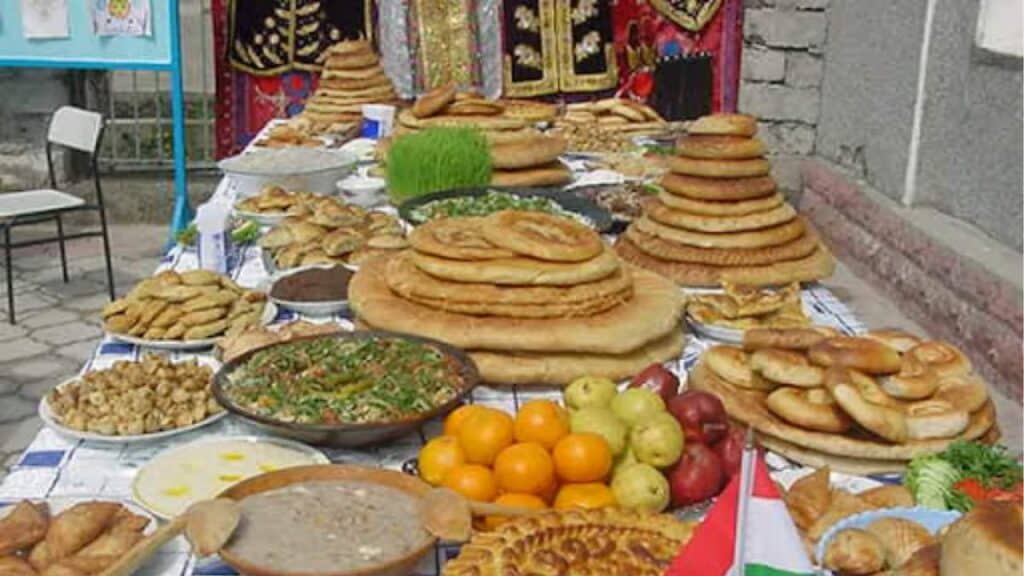
While Zarthost No Deeso does not carry the elaborate food traditions of Navroz, community meals are a valued part of the day’s social fabric. After prayers, many Anjumans and Parsi Colonies serve traditional Parsi dishes:
Dhansak — the iconic slow-cooked lentil and meat curry with caramelized brown rice, a staple of Parsi community meals
Patra ni Machhi — fish steamed in banana leaves with green chutney, a beloved classic
Sali Boti — lamb or chicken curry topped with crispy potato straws
Ravo — a sweet semolina pudding often prepared as a devotional offering or dessert
These meals reinforce the communal spirit of the occasion, bringing families and neighbors together after prayers in the Parsi tradition of shared hospitality.
Music, Art, and Cultural Expression
Zarthost No Deeso’s solemn nature means it is marked primarily by prayer and discourse rather than music or performance. However, Gatha recitation is itself a form of sacred musical expression — the ancient Avestan hymns carry a distinctive liturgical melody passed down through generations of Mobeds.
Community centers sometimes screen documentary films on Zarathushtra’s life and ancient Persian history. Art exhibitions featuring Zoroastrian iconography — including the iconic Faravahar (winged symbol of Zoroastrianism) — are occasionally held. Oral storytelling traditions about Zarathushtra’s life are preserved and shared by elders at community gatherings, and many organizations now incorporate multimedia presentations to engage younger audiences.
Zarthost No Deeso’s Modern Observance and Evolving Practices
Digital participation has transformed how diaspora communities observe Zarthost No Deeso. Online prayer sessions, virtual Gatha study circles, and social media tributes allow Zoroastrians across continents to observe the day together.
Youth engagement is a growing focus, with Zoroastrian youth organizations hosting interactive discussions, heritage quizzes, and storytelling sessions designed to connect younger generations to their heritage in accessible ways.
Some communities organize environmental activities on this day — tree planting or conservation drives — as an expression of Zarathushtra’s teaching of reverence for creation and ecological harmony.
How to wish someone on Zarthost No Deeso: Given the day’s solemn nature, greetings should be respectful rather than celebratory. Thoughtful expressions include: “May the teachings of Zarathushtra guide us always” or “Ashem Vohu — may truth and righteousness prevail.”
Cultural Reflection
Zarthost No Deeso is far more than a date on the religious calendar. For a community of fewer than 200,000 people spread across the world, it is a thread that binds generations — from the Parsis of Mumbai to Zoroastrians in Toronto, London, Sydney, and beyond.
In observing the death anniversary of their Prophet, Zoroastrians do not look back in grief, but forward with purpose. Zarathushtra’s message — choose truth, think well, speak rightly, act justly — is as alive in 2026 as when it first echoed across ancient Iran. Zarthost No Deeso is ultimately a celebration of that enduring light: a reminder that wisdom, when truly spoken, never dies.