


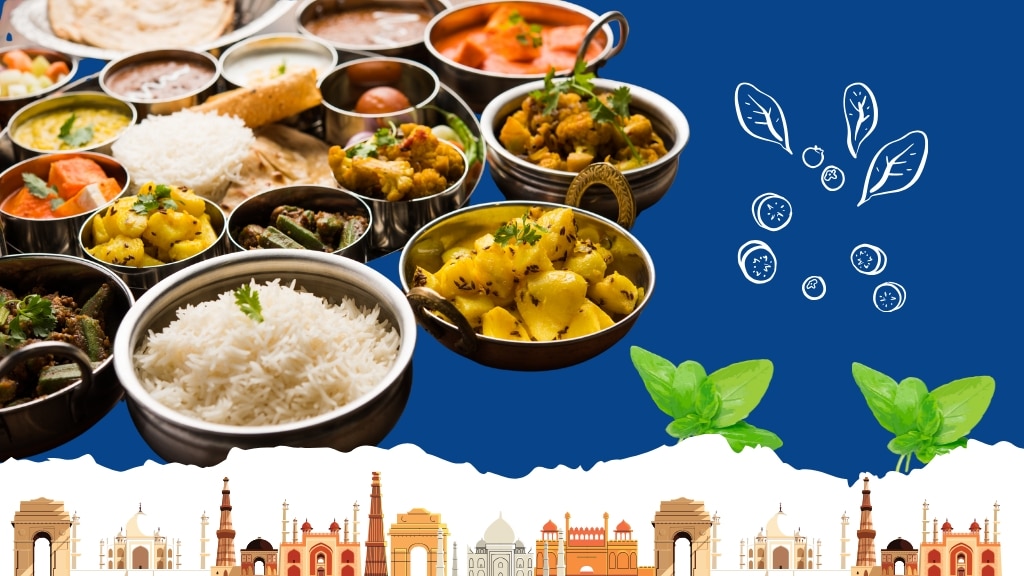
Indian vegetarian food is often praised for being wholesome, diverse, and naturally rich in plant-based nutrients. From protein-packed dals to fiber-rich vegetables and calcium-rich paneer, it seems like a perfect diet. However, critics argue that it can be carb-heavy, high in dairy, and lacking in complete proteins.
So, is Indian vegetarian food truly healthy? Or are there hidden pitfalls to be aware of? Let’s explore the nutritional benefits, potential risks, and expert-backed ways to ensure a balanced Indian vegetarian diet.
In this Article
The Health Benefits of Indian Vegetarian Food
1. Rich in Plant-Based Proteins
Protein is crucial for muscle repair, metabolism, and overall health. Indian vegetarian diets offer plenty of plant-based protein sources:
- Lentils (Dal) – Provides 15-18g of protein per cup.
- Chickpeas (Chana), Black Gram (Urad Dal), Kidney Beans (Rajma) – High in protein and fiber.
- Paneer (Indian Cottage Cheese) – A complete protein with 18g of protein per 100g serving.
- Soy (Tofu & Soya Chunks) – One of the richest plant-based protein sources.
While vegetarian diets can sometimes lack all essential amino acids, combining different protein sources—like lentils and rice—creates a complete protein profile.
2. High in Fiber for Digestion & Weight Management
Indian meals are naturally fiber-rich, aiding digestion, regulating blood sugar, and keeping you full for longer.
- Whole Wheat Roti, Millets (Ragi, Jowar, Bajra) – Excellent sources of dietary fiber.
- Vegetables like Methi (Fenugreek), Palak (Spinach), Lauki (Bottle Gourd) – Support gut health.
- Legumes & Pulses – Improve digestion and prevent constipation.
A high-fiber diet has been linked to lower cholesterol, better heart health, and sustainable weight loss.
3. Packed with Essential Micronutrients
A well-balanced Indian vegetarian diet provides essential vitamins and minerals:
- Calcium & Vitamin D – From paneer, yogurt, and sesame seeds.
- Iron – Found in spinach, lentils, and jaggery; pairing with Vitamin C (lemon) enhances absorption.
- B Vitamins – Necessary for energy metabolism, found in whole grains, legumes, and nuts.
- Antioxidants – Spices like turmeric, cumin, and cinnamon reduce inflammation and boost immunity.
4. Heart-Healthy & Diabetes-Friendly
Plant-based Indian diets tend to be low in saturated fat and cholesterol, making them great for heart health.
- Legumes & Whole Grains – Lower cholesterol and improve blood sugar control.
- Nuts & Seeds (Almonds, Walnuts, Flaxseeds) – Provide heart-healthy Omega-3 fatty acids.
- Minimal Processed Meat – Reducing the risk of cardiovascular diseases.
A study published in the Journal of the American Heart Association found that plant-based diets significantly reduce the risk of heart disease, diabetes, and hypertension.
Potential Risks of Indian Vegetarian Food
1. Excessive Carbohydrates & Refined Grains
A common mistake in Indian vegetarian diets is the overconsumption of white rice, maida (refined flour), and starchy foods.
- White Rice & Naan – High glycemic index, causing blood sugar spikes.
- Potatoes in Every Meal – While nutritious, excessive intake adds empty calories.
- Too Many Roti/Rice Servings Per Meal – Leads to calorie overload and weight gain.
Solution: Balance carbs with protein and fiber by choosing millets, quinoa, or brown rice over refined grains.
2. Deficiency in Vitamin B12 & Omega-3 Fatty Acids
Since Vitamin B12 is mainly found in animal products, Indian vegetarians are at high risk of deficiency, leading to fatigue and neurological issues.
- Plant-Based Sources are Limited – Fortified foods and dairy are the best vegetarian options.
- Omega-3 Deficiency – Affects brain function; found in flaxseeds, walnuts, and chia seeds.
Solution: Include fortified cereals, nutritional yeast, and supplements to meet B12 needs.
3. Over-Reliance on Dairy & High-Fat Foods
Many Indian vegetarian dishes include ghee, paneer, and full-fat dairy, which can contribute to excess calorie intake.
- Paneer-Based Gravies (Shahi Paneer, Malai Kofta) – High in saturated fat.
- Full-Cream Yogurt & Sweetened Lassi – Can increase calorie consumption.
- Ghee in Excess – While healthy in moderation, too much can lead to weight gain.
Solution: Opt for low-fat dairy, plant-based alternatives (tofu, almond milk), and control portion sizes.
4. Hidden Sugars & Processed Vegetarian Foods
While traditional vegetarian meals are healthy, modern packaged vegetarian snacks can be loaded with sugar and unhealthy fats.
- Indian Sweets (Jalebi, Gulab Jamun, Barfi) – High in sugar and refined carbs.
- Packaged Veg Snacks (Biscuits, Namkeen, Instant Noodles) – Contain trans fats and preservatives.
Solution: Choose homemade snacks, fresh fruits, and natural sweeteners like jaggery over refined sugar.
How to Make Indian Vegetarian Food Healthier
- Prioritize Protein: Include dal, paneer, tofu, nuts, and seeds in every meal.
- Choose Whole Grains: Swap white rice for brown rice, quinoa, or millets.
- Limit Dairy & High-Fat Foods: Use low-fat yogurt, almond milk, and measured portions of ghee.
- Boost Omega-3 Intake: Add flaxseeds, walnuts, and chia seeds to your diet.
- Reduce Sugar & Processed Foods: Avoid packaged snacks and excessive sweets.
- Eat a Variety of Vegetables: Rotate leafy greens, cruciferous veggies, and root vegetables for balanced nutrition.
- Cook with Less Oil: Use grilling, steaming, or sautéing instead of deep-frying.
In a nutshell
Indian vegetarian food can be incredibly healthy when balanced properly. With its rich variety of plant-based proteins, fiber, antioxidants, and essential nutrients, it supports digestion, heart health, and overall well-being.
However, potential pitfalls like excess carbs, hidden sugars, and dairy overload can make it less effective for weight management and optimal health. By making mindful choices—focusing on protein, whole grains, and healthy fats—you can enjoy a nutritious and well-balanced Indian vegetarian diet.
If you’re interested in diving deeper into the world of healthy Indian food, check out our comprehensive guide on Healthy Indian Food. It covers everything from nutritious ingredients to balanced meal ideas, helping you make the most of India’s rich culinary heritage while staying healthy.
