
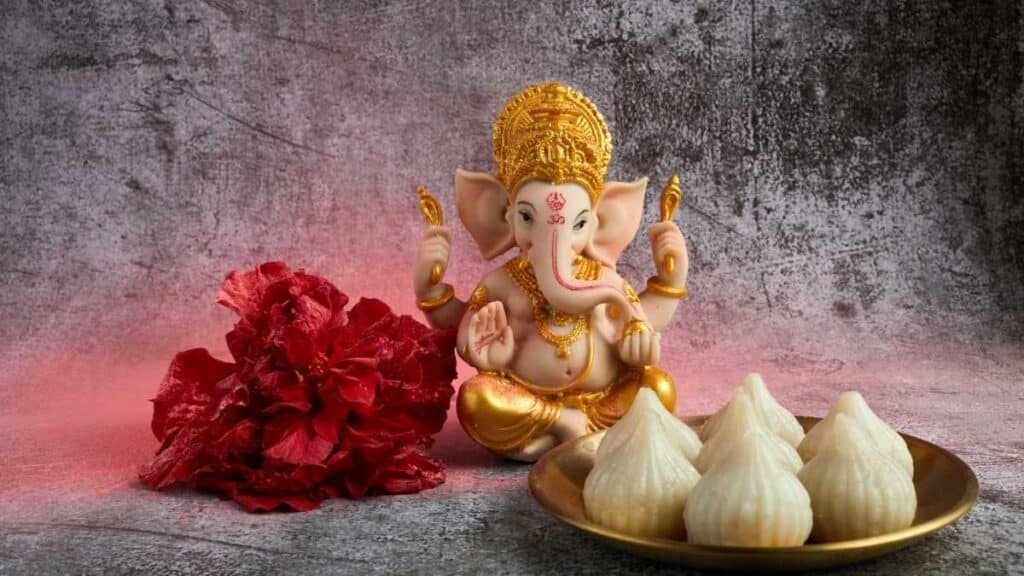
Ganesh Chaturthi is one of India’s most beloved and vibrant festivals, celebrating the birthday of Lord Ganesha, the elephant-headed deity revered as the remover of obstacles, the god of wisdom, prosperity, and new beginnings. Observed with immense devotion and grandeur, the festival marks a 10-day celebration filled with prayers, cultural programs, and community gatherings that culminate in the spectacular Ganesh Visarjan—the ceremonial immersion of Ganesha idols.
Rooted in ancient Hindu traditions and mythology, Ganesh Chaturthi has evolved from private family celebrations into massive public festivals that unite communities across social, economic, and even religious boundaries. The festival’s spiritual essence lies in invoking Ganesha’s blessings for removing life’s obstacles while celebrating the cycle of creation, existence, and dissolution.
Today, Ganesh Chaturthi is celebrated not just across India but by Hindu communities worldwide—from Mumbai’s famous Lalbaugcha Raja to temple celebrations in New York, London, Singapore, and Sydney. The festival has become a powerful symbol of cultural identity, artistic expression, and collective joy.
When Is Ganesh Chaturthi Celebrated in 2026?
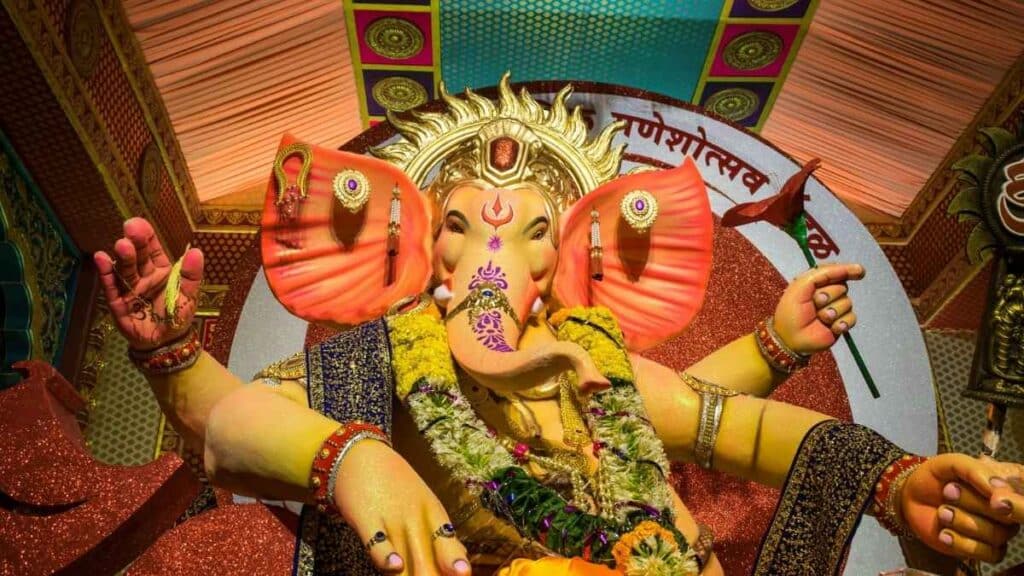
Ganesh Chaturthi is celebrated on the Chaturthi Tithi (fourth day) of the Shukla Paksha (waxing moon) in the Hindu lunar month of Bhadrapada, which typically falls in August or September.
Ganesh Chaturthi In India 2026 Dates
Day 1: Ganesh Chaturthi – Monday, September 14, 2026
- Madhyahna Ganesha Puja Muhurat: 11:20 AM to 01:48 PM (Duration: 2 hours 27 minutes)
- Chaturthi Tithi Begins: 07:06 AM on September 14, 2026
- Chaturthi Tithi Ends: 07:44 AM on September 15, 2026
- Moon Sighting Time to Avoid: 09:06 AM to 08:41 PM (Duration: 11 hours 35 minutes)
Day 10: Ganesh Visarjan (Ananta Chaturdashi) – Friday, September 25, 2026
- The final day when Ganesha idols are immersed in water bodies with grand processions
The festival can be celebrated for 1.5, 3, 5, 7, or the full 10 days, depending on family and community traditions.
Table of Contents
Ganesha Chaturthi In USA, Canada, Australia, New Zealand, UK, UAE, Singapore 2026 Dates
Ganesha Chaturthi on Monday, September 14, 2026
- Chaturthi Tithi Begins – 09:36 PM on Sep 13, 2026
- Chaturthi Tithi Ends – 10:14 PM on Sep 14, 2026
- Ganesha Visarjan on Friday, September 25, 2026
Ganesha Chaturthi on Monday, September 14, 2026
- Chaturthi Tithi Begins – 09:36 PM on Sep 13, 2026
- Chaturthi Tithi Ends – 10:14 PM on Sep 14, 2026
- Ganesha Visarjan on Friday, September 25, 2026
Ganesha Chaturthi on Monday, September 14, 2026
- Chaturthi Tithi Begins – 11:36 AM on Sep 14, 2026
- Chaturthi Tithi Ends – 12:14 PM on Sep 15, 2026
- Ganesha Visarjan on Friday, September 25, 2026
Ganesha Chaturthi on Monday, September 14, 2026
- Chaturthi Tithi Begins – 02:36 AM on Sep 14, 2026
- Chaturthi Tithi Ends – 03:14 AM on Sep 15, 2026
- Ganesha Visarjan on Friday, September 25, 2026
Ganesha Chaturthi on Monday, September 14, 2026
- Chaturthi Tithi Begins – 05:36 AM on Sep 14, 2026
- Chaturthi Tithi Ends – 06:14 AM on Sep 15, 2026
- Ganesha Visarjan on Friday, September 25, 2026
Ganesha Chaturthi on Monday, September 14, 2026
- Chaturthi Tithi Begins – 09:36 AM on Sep 14, 2026
- Chaturthi Tithi Ends – 10:14 AM on Sep 15, 2026
- Ganesha Visarjan on Friday, September 25, 2026
Why Ganesh Chaturthi Dates Change Every Year?
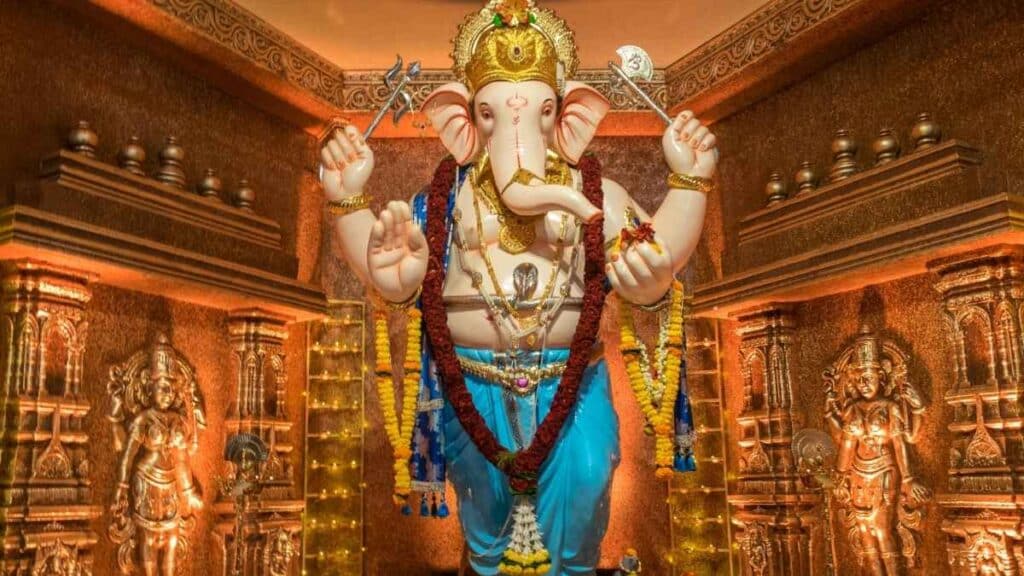
Ganesh Chaturthi is celebrated based on the Hindu lunar calendar (Panchang), not the Gregorian calendar. It falls on the Chaturthi Tithi of Bhadrapada month’s Shukla Paksha, which usually occurs in August or September.
Since lunar months are shorter than solar months:
- The festival typically falls between August 22 and September 20
- Ganesh Chaturthi’s date shifts every year
- Timing depends on moon position and local sunrise
How is Ganesh Puja Muhurat Decided?
The timing of Ganesh Puja is decided based on Madhyahna Kaal (midday period), as Lord Ganesha is believed to have been born during this time.
- Madhyahna Kaal is the middle fifth of the time between sunrise and sunset
- Ganapati Sthapana (installation) and puja are performed during this auspicious period
- The detailed Shodashopachara Ganapati Puja (16-step ritual) is conducted during Madhyahna
- If Chaturthi Tithi begins at night and ends by morning, the next day is observed as Vinayaka Chaturthi
Ganesh Chaturthi Other Names & Regional Identities
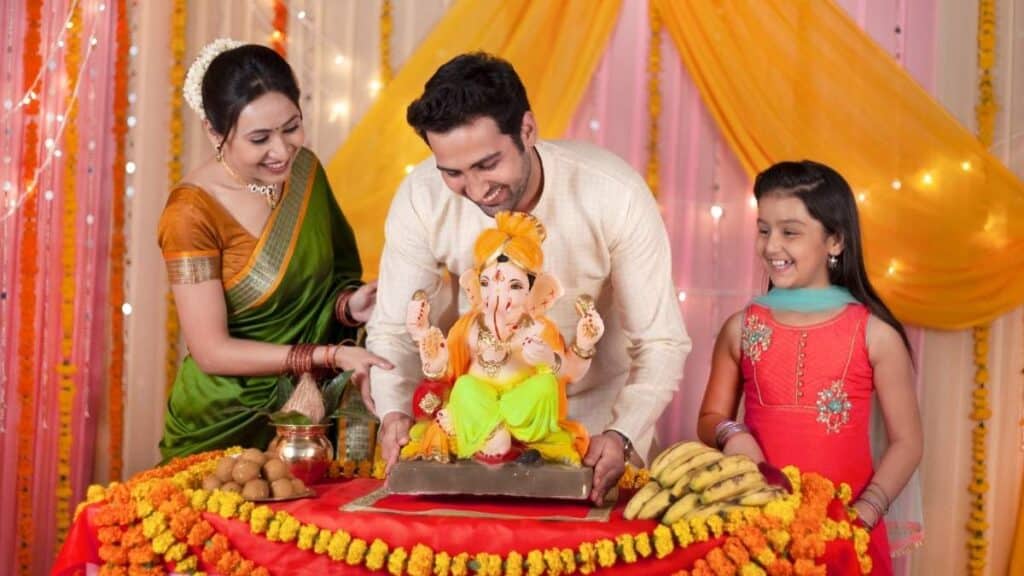
Ganesh Chaturthi is known by various names across India’s diverse linguistic regions:
Standard Names:
- Ganesh Chaturthi (Hindi/English/Sanskrit)
- Vinayaka Chaturthi
Maharashtra:
- Ganeshotsav (गणेशोत्सव)
- Vinayaka Chavithi
Goa:
- Chavath (Konkani)
- Parab / Parva
Tamil Nadu:
- Vinayagar Chaturthi (விநாயகர் சதுர்த்தி)
- Pillayar Chaturthi
Andhra Pradesh & Telangana:
- Vinayaka Chavithi (వినాయక చవితి)
Karnataka:
- Ganesha Habba (ಗಣೇಶ ಹಬ್ಬ)
- Gauri-Ganesha (celebrated with Goddess Gauri)
Kerala:
- Lambodhara Piranalu
Gujarat:
- Ganesh Choth
West Bengal:
- Ganesh Puja
Diaspora / International Naming:
- Ganpati Bappa Morya (popular devotional phrase used globally)
- Vinayagar Chaturthi (Malaysia, Singapore – Tamil communities)
- Ganesh Festival / Ganesha’s Birthday (Western countries)
The Origins, History, and Legends of Ganesh Chaturthi
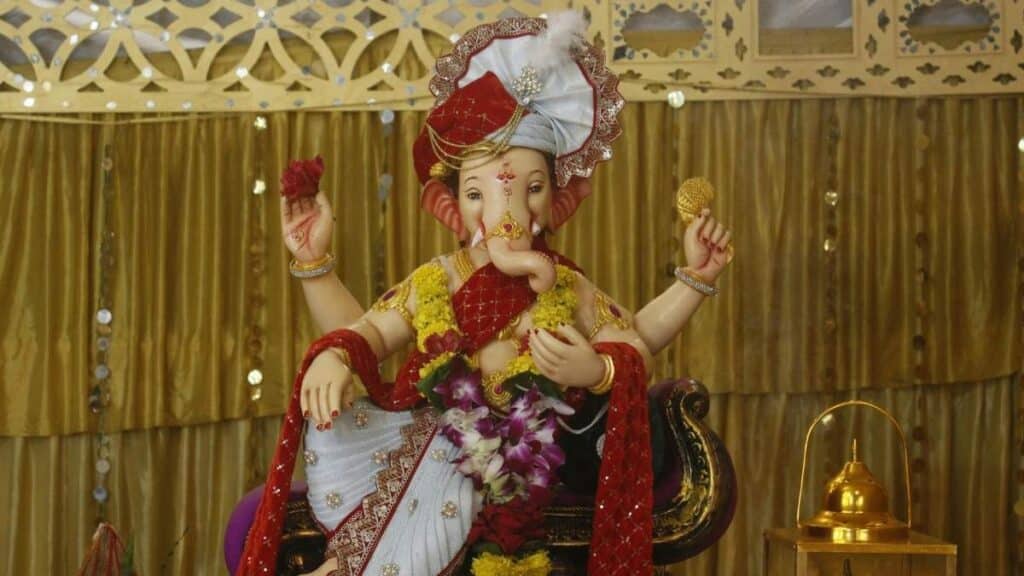
Ganesh Chaturthi’s origins are rooted in ancient Hindu mythology and historical evolution through different eras.
Mythological Origins
According to Hindu scriptures and Puranas, Goddess Parvati created Ganesha from sandalwood paste (or clay) to guard her chambers while she bathed. When Lord Shiva returned and was denied entry by the young guardian, an enraged Shiva beheaded him. Upon discovering Ganesha was Parvati’s creation, a remorseful Shiva attached an elephant’s head to revive him, thus creating the distinctive elephant-headed deity. Ganesha was born on the Chaturthi Tithi of Bhadrapada month’s Shukla Paksha, establishing the festival’s sacred timing.
Sacred texts like the Ganapati Atharvashirsa, Narada Purana, and Rigveda contain hymns and references to Ganesha worship, establishing his importance in Hindu tradition.
Historical Evolution
Ancient to Medieval Period: Ganesha worship existed in India for centuries, with the festival gaining prominence during the Maratha Empire under King Shivaji (1630-1680), who patronized public Ganesh celebrations in Pune. The Peshwas in the 18th century established it as a significant public festival in their capital.
Colonial Era Transformation: The festival’s modern form emerged through Lokmanya Bal Gangadhar Tilak in 1893. The British had passed anti-sedition laws banning public gatherings of more than 20 people, while exempting religious assemblies. Tilak leveraged this exemption to transform Ganesh Chaturthi into large-scale public events that served as platforms for nationalist discourse, cultural programs, and organizing against colonial rule.
As Tilak wrote in his newspaper Kesari (1896): “Why shouldn’t we convert the large religious festivals into mass political rallies?”
Goa’s Unique History: In Goa, Ganesh Chaturthi predates the Kadamba era but faced severe restrictions during the Goa Inquisition. Goan Hindus practiced secretly, worshiping through patri (leaves), drawings, or hidden clay idols—a practice unique to Goan celebrations.d togetherness.
Ganesh Chaturthi: Cultural and Spiritual Significance
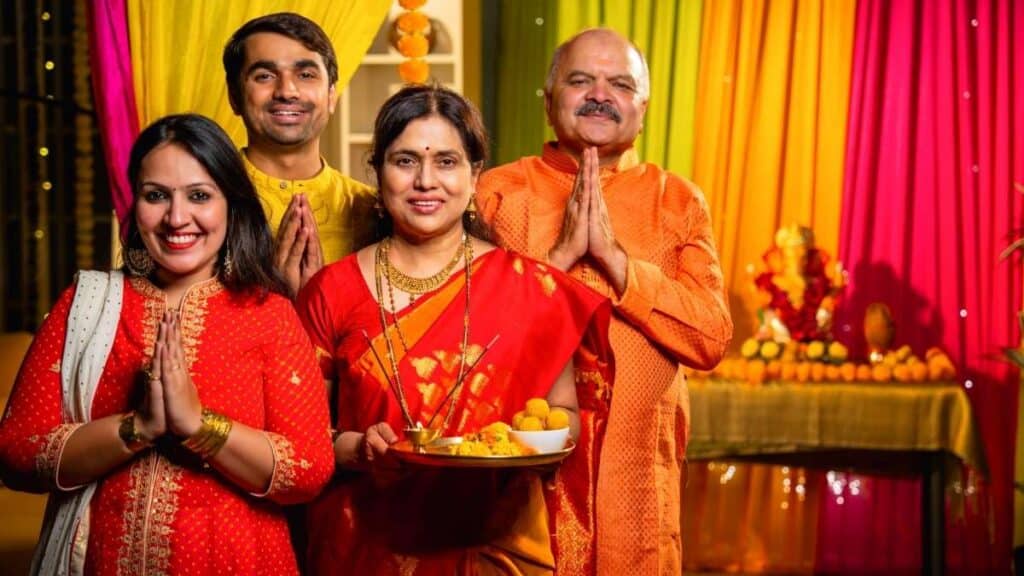
Ganesh Chaturthi holds profound spiritual and cultural meaning that transcends religious boundaries.
Spiritually, Lord Ganesha embodies:
- Vighnaharta (remover of obstacles) – invoked at the beginning of new ventures
- God of wisdom, prosperity, and good fortune
- Symbol of new beginnings and auspicious starts
- Divine intelligence – his elephant head representing wisdom and discernment
Culturally, the festival represents:
- Social unity – bringing together people across caste, class, and religious boundaries
- Community celebration – public mandaps funded by collective contributions
- Artistic expression – elaborate idol-making, decorations, music, and performances
- Cultural continuity – preserving traditions while embracing contemporary expressions
The Cycle of Life Symbolism: The festival’s structure—installation (birth), worship (life), and visarjan/immersion (death)—represents the Hindu understanding of creation, preservation, and dissolution, reminding devotees of life’s impermanence and the eternal nature of the divine.
Ganesh Chaturthi evolved from a religious observance into a festival that promotes unity, forgiveness, and harmony—making it a universal celebration of togetherness and positivity.
Ganesh Chaturthi Prayers and Religious Observances
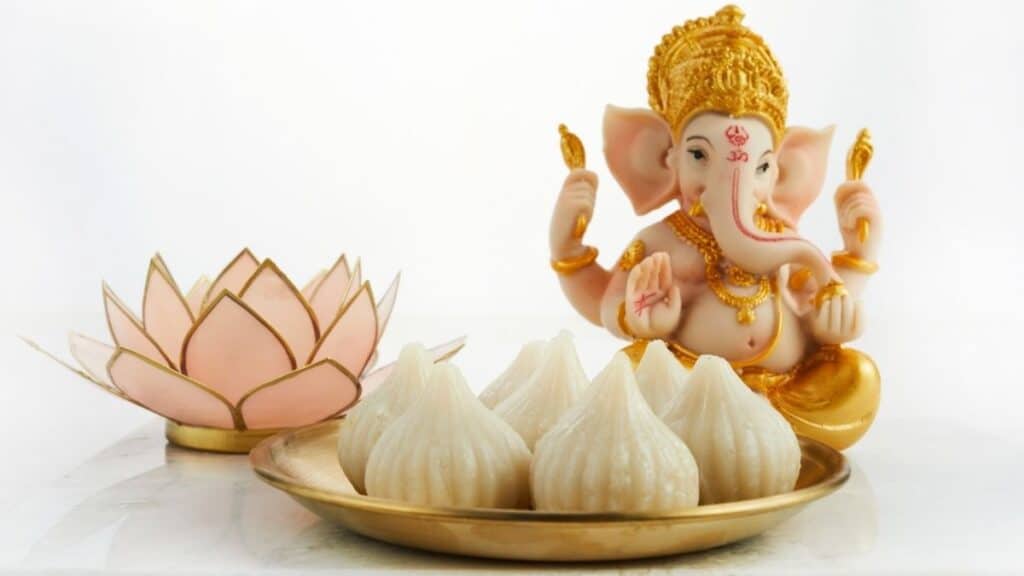
Shodashopachara Puja – The 16-Step Ritual
The elaborate Shodashopachara (16 offerings) ritual performed during Madhyahna Kaal includes:
- Dhyana (Meditation) – Invoking Ganesha’s presence
- Asana (Offering a seat) – Welcoming the deity
- Padya (Water for feet) – Ritualistic welcome
- Arghya (Water offering) – Respect and purification
- Achamana (Water for sipping)
- Snana (Bathing the idol)
- Vastra (Offering clothes)
- Yagnopavita (Sacred thread)
- Gandha (Sandalwood paste)
- Pushpa (Flowers)
- Dhupa (Incense)
- Deepa (Lamp)
- Naivedya (Food offerings)
- Tambula (Betel leaves and nuts)
- Aarti (Lamp ceremony)
- Pradakshina and Namaskara (Circumambulation and prostration)
Essential Offerings
- Durva grass (sacred grass, Ganesha’s favorite)
- Red hibiscus flowers (Jaswand)
- Modaks (sweet dumplings, Ganesha’s beloved food)
- Coconut (symbol of breaking ego)
- Jaggery (natural sweetness)
Sacred Mantras and Hymns
Devotees chant:
- “Om Gan Ganapataye Namah” – fundamental Ganesha mantra
- Ganapati Atharvashirsa – ancient Upanishadic hymn
- Ganesh Stotra from Narada Purana
- Rigveda hymns
Home vs Temple Worship
Home Celebrations: Families install smaller clay murtis, observing for 1.5, 3, 5, 7, or 11 days. Daily morning and evening aarti includes Maharashtra’s beloved “Sukhakarta Dukhaharta” composed by 17th-century saint Samarth Ramdas.
Public Celebrations: Large mandaps feature towering murtis with elaborate cultural programs, continuous devotional activities, and massive visarjan processions on the 10th day.
Moon Sighting Taboo
Avoid seeing the moon on Ganesh Chaturthi (2026: 9:06 AM to 8:41 PM IST), as legend says it brings false accusations, recalling when Lord Krishna was falsely accused after moon sighting on Chaturthi.
How Ganesh Chaturthi Is Celebrated Across India
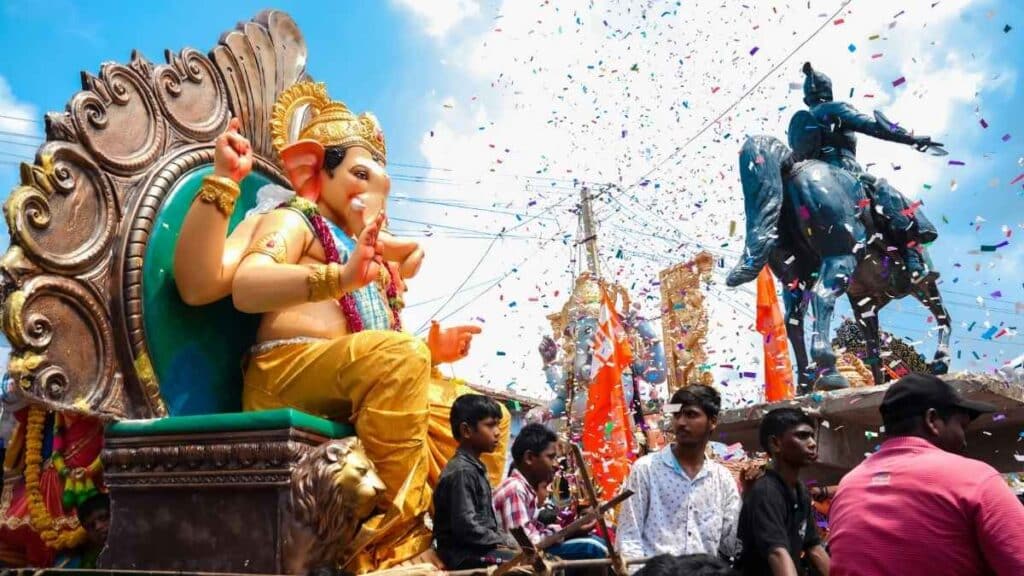
Maharashtra – The Festival’s Heartland
Maharashtra celebrates the grandest Ganeshotsav, with Mumbai seeing approximately 150,000 murtis immersed annually. Famous mandaps include:
- Lalbaugcha Raja (attracts 1.5+ million visitors)
- Ganesh Galli Ka Raja
- Andhericha Raja
- Dagdusheth Halwai Ganpati (Pune)
- Kasba Ganpati (Pune’s presiding deity)
The celebrations incorporate Hartalika (women’s fasting) and the Gauri festival alongside Ganesha worship.
Goa – Hidden Heritage
Known as Chavath or Parab, Goan celebrations retain unique features from Inquisition-era secrecy. Traditional practices include worship through patri (leaves), drawings, or hidden clay idols. The festival coincides with Navyachi Pancham harvest celebrations.
Karnataka – Gowri-Ganesha Festival
The Gowri festival (Goddess Parvati) precedes Ganesh Chaturthi, with both celebrated together. Panchakajjaya (mixture of coconut, Bengal gram, sugar, ghee, sesame) is the traditional offering.
Andhra Pradesh & Telangana
Known as Vinayaka Chavithi, featuring clay (Matti Vinayakudu) and turmeric (Siddhi Vinayakudu) murtis. The 21-day Brahmotsavams at Varasidhi Vinayaka Swamy Temple in Kanipakam is a major pilgrimage. Hyderabad’s Khairatabad Ganesh is famous for record heights (up to 61 feet).
Tamil Nadu – Pillayar Chaturthi
The state government has banned Plaster of Paris idols, promoting clay and eco-friendly alternatives. Idols made from coconuts and organic materials are popular, with immersions in the Bay of Bengal.
Kerala – Lambodhara Piranalu
Thiruvananthapuram’s procession from Pazhavangadi Ganapathi Temple to Shankumugham Beach features tall organic murtis immersed in the sea.
Other Regions
Bihar (Mithila): Chaurchan festival related to Ganesha and moon god Chandraal.
Gujarat, Madhya Pradesh, Rajasthan: Growing eco-friendly “Vedic Ganesh idols” made from cow dung and clay
West Bengal, Odisha, Assam: Elaborate pandal decorations reflecting regional artistic traditions
Participation Across Religions in India
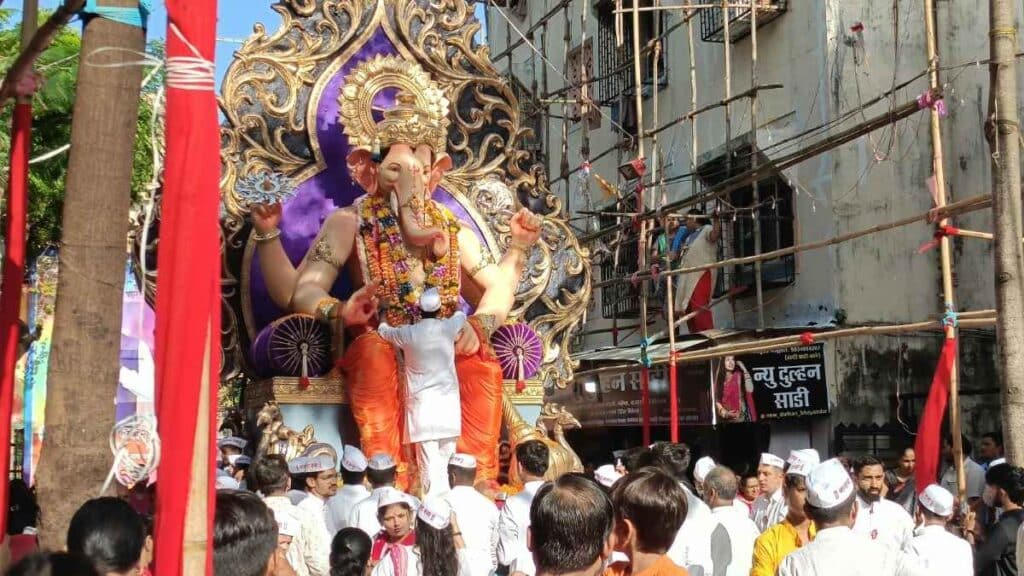
Ganesh Chaturthi is celebrated not only by Hindus but by people of many religions across India, making it a truly inclusive cultural festival.
Interfaith Cultural Participation: Public celebrations regularly see people from Muslim, Christian, Sikh, Buddhist, and Jain communities:
- Contributing to mandap funds and organizing committees
- Attending cultural programs and festivities
- Enjoying shared community celebrations
Shared Cultural Heritage: The festival functions as a community event transcending religious boundaries through:
- Music performances and theater
- Social service (blood donation, medical camps, charity)
- Artistic and economic participation by all communities
Historical Unity: Tilak’s vision explicitly aimed to bridge social divisions, creating grassroots unity. This inclusive spirit continues, with the festival emphasizing shared cultural identity over religious division.
How Ganesh Chaturthi Is Celebrated Outside India
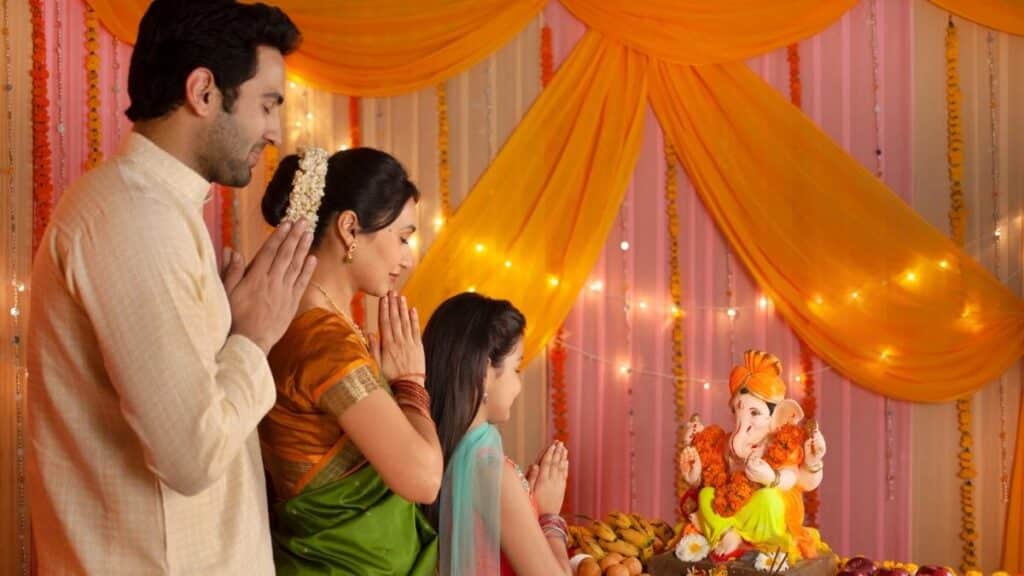
United Kingdom
Hindu communities celebrate across the UK with growing enthusiasm:
- London: Hindu Culture and Heritage Society celebrations at Vishwa Hindu Temple, Thames visarjan at Putney Pier
- Southend-on-Sea: Gujarati community event attracting 18,000+ devotees
- Liverpool: Annual River Mersey immersions
- Clacton-on-Sea: North Sea visarjan ceremonies
- Milton Keynes: Caldecotte Lake celebrations
North America
United States: Major celebrations include:
- Philadelphia Ganesh Festival (most prominent North American celebration)
- Detroit Wayne State University area
- Temples across California, Texas, New York, New Jersey
- Weekend-focused celebrations for working devotees
Canada: Toronto area’s large diaspora hosts extensive celebrations in temples and community centers. Vancouver, Calgary organize multicultural events.
Australia & New Zealand
- Australia: Sydney, Melbourne, Brisbane temples host elaborate celebrations
- New Zealand: Auckland and Palmerston North continue traditions from Fiji migrants (started by Thakur Lal Waghela in 1985)
UAE
Dubai, Abu Dhabi, Sharjah’s large Indian communities celebrate in temples with designated immersion tanks (due to local regulations).
Southeast Asia
Singapore & Malaysia: Known as Vinayagar Chaturthi (Tamil communities)
- Sri Thendayuthapani Temple (Singapore)
- Kuala Lumpur and Penang temples
- Elaborate decorations and processions
Mauritius: Continuous celebrations since 1896, government-recognized public holiday
Africa, Caribbean & Beyond
- South Africa: Durban, Johannesburg temple celebrations
- Ghana: Unique ethnic African Hindu celebrations
- Trinidad, Guyana, Suriname: Indo-Caribbean traditions
- Fiji: 100+ Ganesh visarjans during festival period
- Pakistan: Shri Maharashtra Panchayat in Karachi
- Spain (Tenerife): Public processions and immersions
Ganesh Chaturthi Gifting Traditions
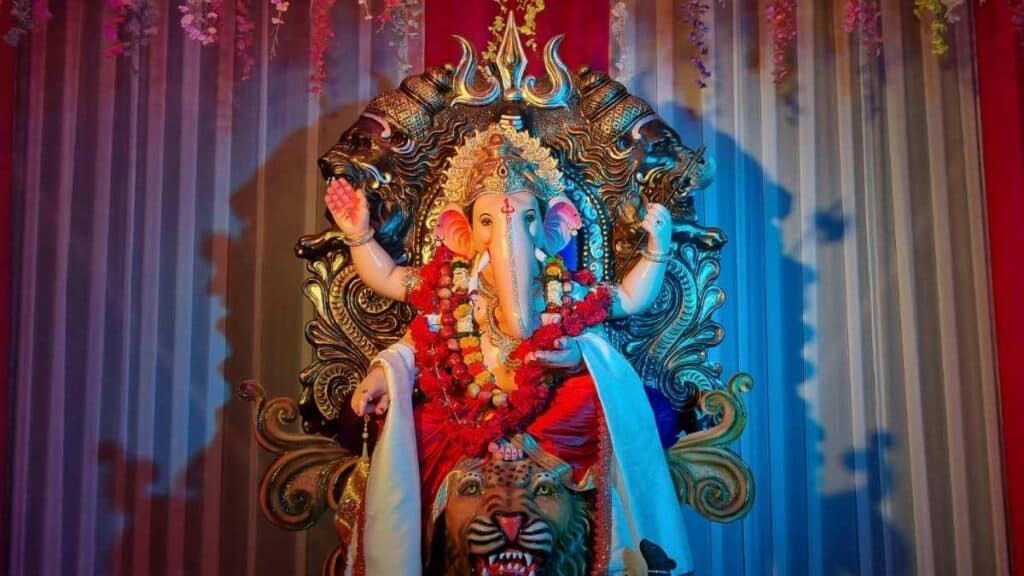
Ganesh Chaturthi gifting symbolizes blessings, prosperity, and new beginnings.
Traditional Gifts
For Family and Friends:
- Modaks and traditional sweets
- Fresh coconuts, fruits, flowers
- Puja materials (incense, lamps, durva grass)
- Decorative torans and rangoli colors
For Hosts and Mandaps:
- Coconut offerings
- Donation envelopes for public celebrations
- Devotional music recordings
Modern Gifting Practices
- Eco-friendly Focus:
- Handcrafted sustainable décors.
- Plantable clay Ganesha idols (seed-embedded)
- Organic puja kits
Traditional Ganesh Chaturthi Foods and Sweets
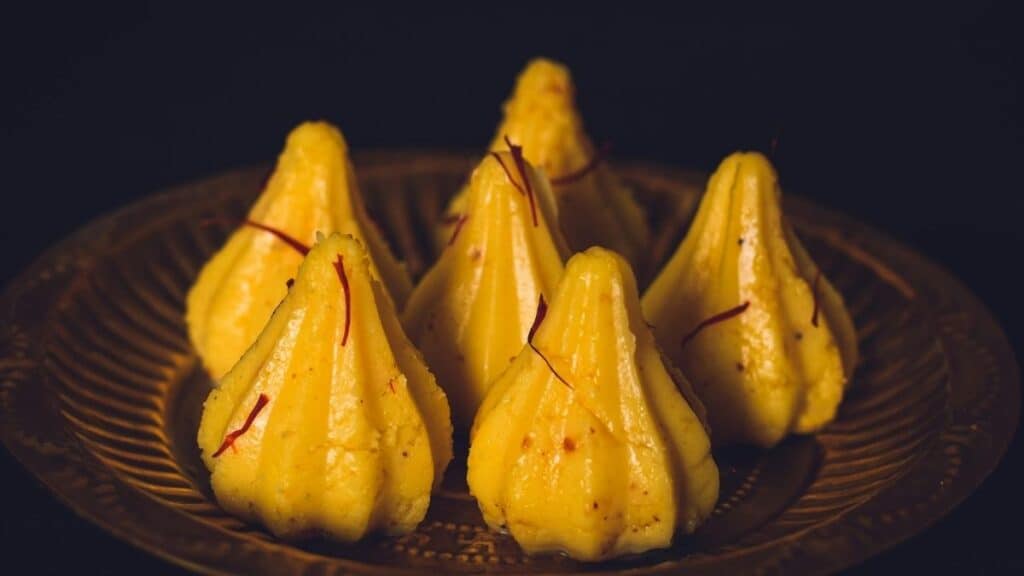
Modak – The Divine Favorite
Modak reigns supreme as Ganesha’s beloved offering, with traditional naivedya plates containing 21 pieces.
Types:
- Ukadiche Modak (Steamed): Rice flour dough with coconut-jaggery filling
- Fried Modak: Crispy shell with sweet filling
Regional Names and Delicacies
Maharashtra/Goa:
- Modak, Nevri
- Karanji (semicircular fried pastry)
- Puran Poli, Shrikhand
- Besan laddu, rava laddu
Karnataka:
- Kadubu, Karjikai
- Panchakajjaya (coconut, Bengal gram, sugar, ghee, sesame mixture)
- Holige, Obbattu
Andhra Pradesh/Telangana:
- Kudumu, Undrallu (steamed rice flour balls)
- Panakam (jaggery-pepper-cardamom drink)
- Vadapappu, Chalividi
Tamil Nadu:
- Kozhukattai, Modagam
- Seedai, Murukku
- Payasam
Kerala:
- Kozhakatta, Modakkam
- Ela Ada (banana leaf parcels)
- Unniyappam
Other Festive Foods
- Savory snacks: Chakli, chivda, farsan
- Fresh fruits: bananas, mangoes, coconuts
- Traditional drinks: panakam, kokum sherbet, buttermilk
Modern adaptations include baked modaks, sugar-free options, chocolate modaks, and fusion flavors.
Ganesh Chaturthi: Music, Art, and Cultural Expression
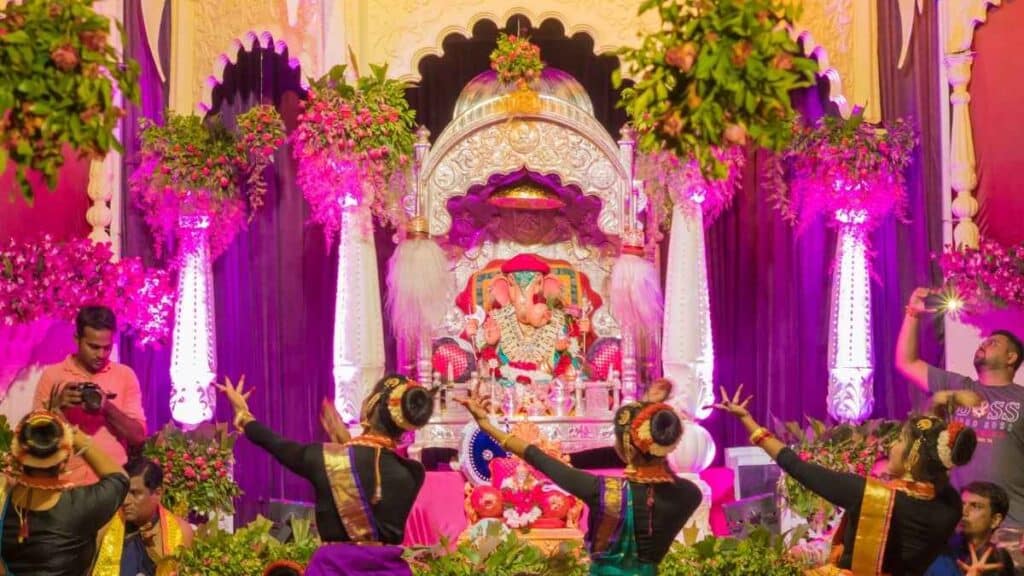
Traditional Music
Devotional Songs:
- “Sukhakarta Dukhaharta” (Marathi aarti by Samarth Ramdas)
- Regional aartis in local languages
- Bhajans and kirtans
Procession Music:
- Dhol-tasha (Maharashtrian percussion)
- Nadaswaram and tavil (South Indian)
- Lezim (rhythmic dance with cymbals)
Visual Arts
Murti Creation: Traditional clay idol-making by artisan communities in Maharashtra’s Konkan, Telangana’s Dhoolpet, Tamil Nadu.
Decorations:
- Rangoli/kolam/alpana designs
- Elaborate flower torans and garlands
- Theme-based creative pandals
Ganesh Chaturthi’s Modern Relevance and Cultural Continuity
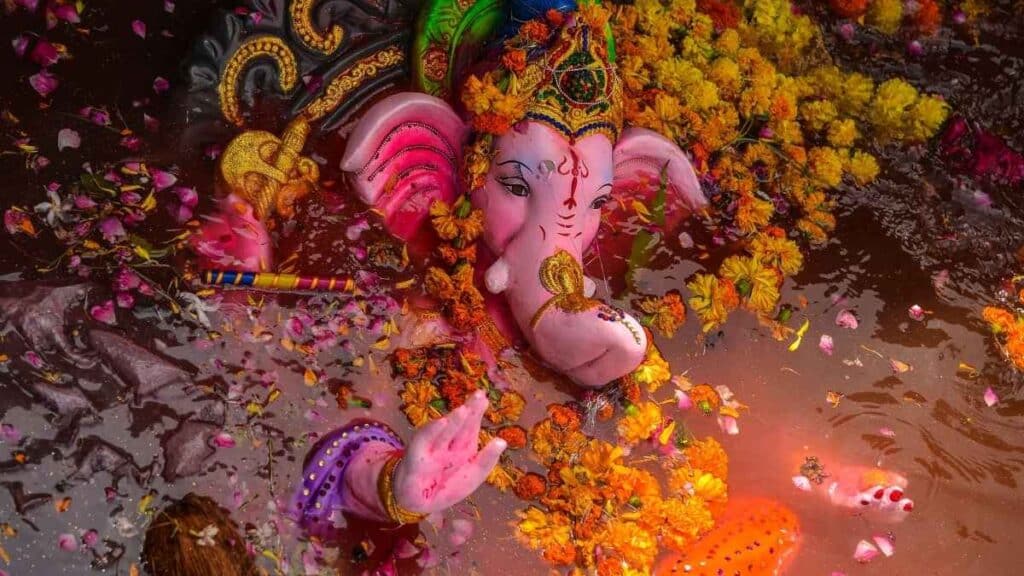
In today’s fast-changing world, Ganesh Chaturthi continues to hold deep relevance as a festival that promotes unity, wisdom, and new beginnings. While celebrations have evolved with eco-friendly practices and technology, the core spirit remains unchanged—invoking Ganesha’s blessings to remove obstacles and celebrate life’s auspicious moments.
The festival plays an important role in preserving cultural continuity across generations and geographies. For Indian communities worldwide, Ganesh Chaturthi serves as a powerful link to heritage, helping transmit traditions, values, and stories to younger generations.
The visarjan—the deity’s return to cosmic elements—carries timeless wisdom about life’s impermanence, ecological interconnection, and spiritual renewal. The festival’s evolution from Tilak’s anti-colonial tool to today’s inclusive community celebration demonstrates its adaptability while maintaining spiritual essence.
Beyond devotion and festivities, Ganesh Chaturthi carries a universal message: that obstacles can be overcome with wisdom, that communities thrive through shared celebration, and that traditions remain relevant when they embrace both continuity and change.
Ganpati Bappa Morya! Mangal Murti Morya!
One response to “Ganesh Chaturthi : The Festival Celebrating the Birth of the Lord Ganesha”
-
Ganpati Bappa Morya

Leave a Reply