


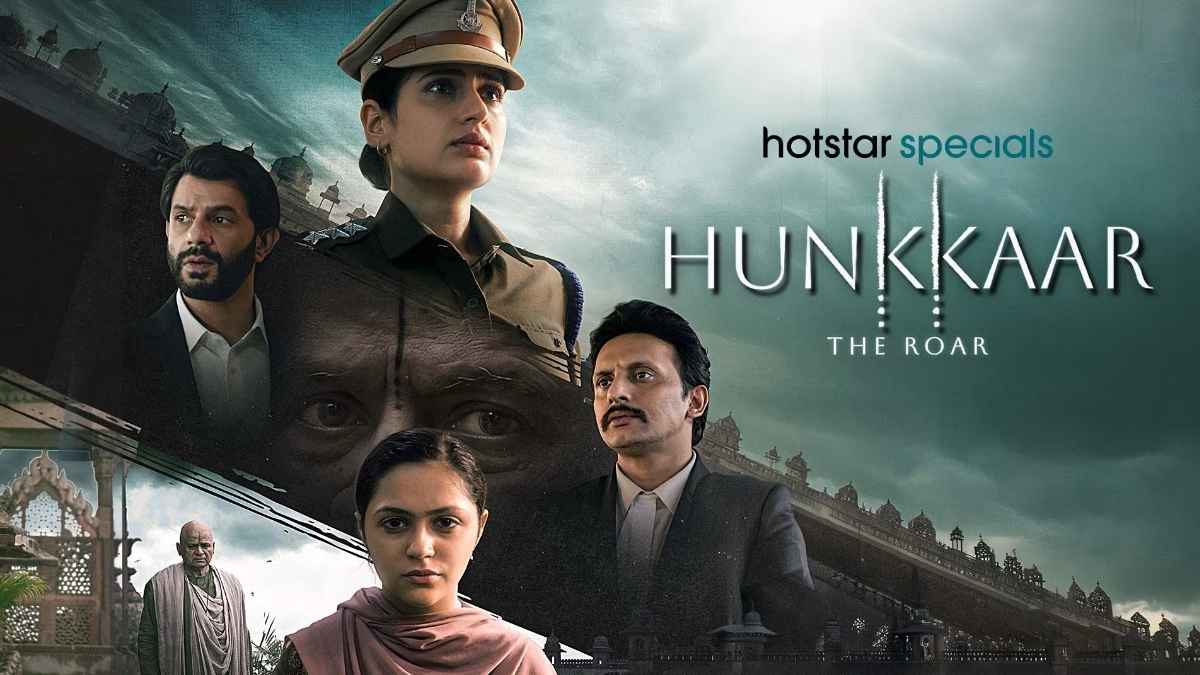
Hunkkaar: The Roar arrives on JioHotstar as one of the most anticipated OTT launches of the year, marking Aneet Padda’s first project since her breakout in Saiyaara and pairing her with Fatima Sana Shaikh in a tense, socially charged courtroom drama. Backed by Priyanka Chopra Jonas’ Purple Pebble Pictures alongside Birla Studios, Applause Entertainment and Mangata Films, the six-episode series takes on the sensitive subject of a young girl accusing a powerful godman of sexual assault, and follows the investigation, courtroom battle and media storm that follow. With a premise this timely and a cast this strong, expectations were sky-high — so does Hunkkaar deliver?
Hunkkaar: The Roar is a six-episode JioHotstar series about 17-year-old Meenu Rawat, who accuses influential spiritual leader Sunil “Baapji” Chakosi of sexual assault, triggering a police investigation led by rookie ACP Jasleen Singh Soin, a courtroom battle fought by underdog lawyer Bhalerao, and a media trial driven by journalist Amitabh Sinha. The show’s biggest strength is its cast — Aneet Padda, Fatima Sana Shaikh, Mohammed Zeeshan Ayyub and Raghubir Yadav all deliver performances that elevate the material well beyond what the writing alone offers. Where Hunkkaar stumbles is in exploring the “how” behind Baapji’s cult-like influence and in balancing its many parallel tracks, which leaves some of the show’s most interesting ideas underdeveloped. The first few episodes are tighter and more compelling than the back half, which tries to juggle too many threads at once. Even so, the central conflict — faith colliding with fear, and institutions being tested by power — remains gripping enough to carry the show through its rough patches.
Cast and Crew
| Role | Name |
|---|---|
| Meenu Rawat | Aneet Padda |
| ACP Jasleen Singh Soin | Fatima Sana Shaikh |
| Bhalerao (lawyer) | Mohammed Zeeshan Ayyub |
| Sunil “Baapji” Chakosi | Raghubir Yadav |
| Amitabh Sinha (journalist) | Arjun Mathur |
| Supporting cast | Ram Kapoor, Rajesh Sharma, Charu Sharma, Zoya Hassan |
| Director | Karan D Kapadia, Nitya Mehra, Heeraz Marfatia |
| Creators | Karan D Kapadia, Nitya Mehra |
| Executive Producer | Priyanka Chopra Jonas (Purple Pebble Pictures) |
| Production Houses | Birla Studios, Applause Entertainment, Mangata Films |
| Platform | JioHotstar |
| Episodes | 6 |
| Release Date | September 25, 2026 |
Plot Summary
The series opens with 17-year-old Meenu Rawat walking into a police station to name the man she says sexually assaulted her — a revered spiritual leader with thousands of followers and an image few dare question. Her complaint is met with hesitation until rookie ACP Jasleen Singh Soin takes on the case, following procedure and looking past the surface. As the investigation widens, it pulls in a nervous legal system through lawyer Bhalerao, an aggressive media cycle through journalist Amitabh Sinha, and a family — Meenu’s parents — caught between protecting their daughter and fearing the consequences of taking on Baapji. The show builds three parallel battlegrounds — the police station, the courtroom and the newsroom — around one central question: what happens when an accusation is made against someone people have been conditioned to worship?
Also Read: Bakaiti Season 2 Review 2026: A Heartwarming Family Drama That Wins Hearts
Individual Actor Praise
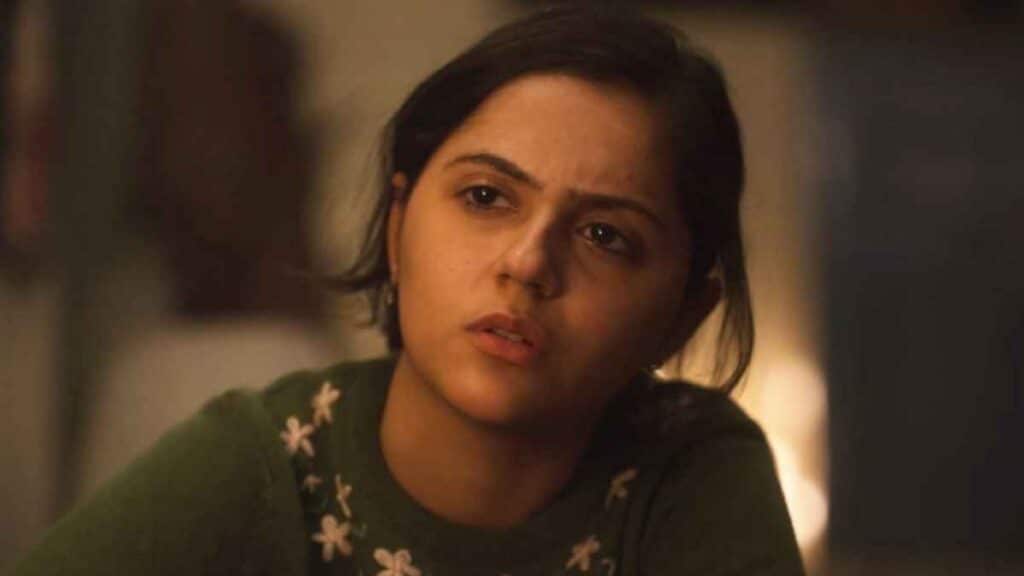
Aneet Padda delivers a performance of genuine maturity as Meenu, refusing to play her as a one-note victim. She lets Meenu be scared, angry, defiant and confused in turns, and her courtroom scenes stand out precisely because she lets Meenu hold on to her own agency instead of being reduced to the accusation at the centre of the story.
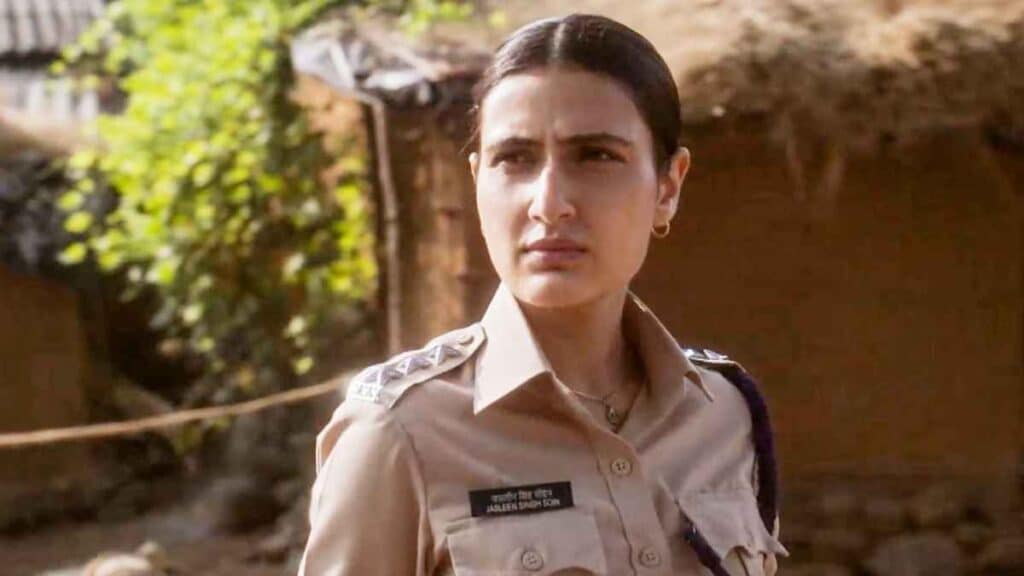
Fatima Sana Shaikh is quietly excellent as Jasleen, resisting the urge to play the investigating officer as a larger-than-life crusader. Her restraint pays off best in the scenes where the case begins to weigh on her personally, and her chemistry with Padda gives the show some of its most affecting moments.
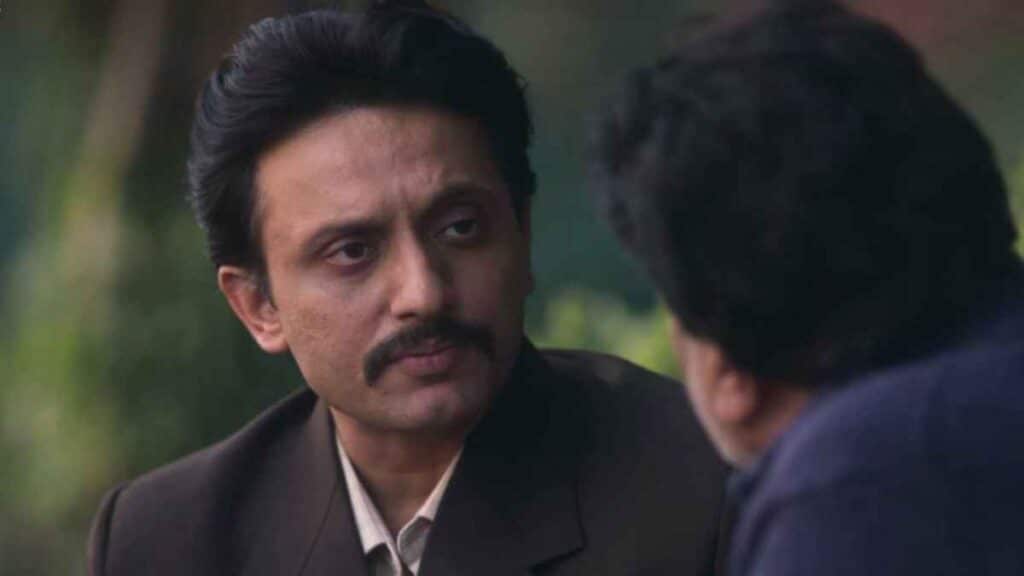
Mohammed Zeeshan Ayyub brings real weight to the courtroom portions as Bhalerao. He plays the lawyer with his own disappointments and baggage rather than as an all-knowing saviour, which makes his investment in Meenu’s case feel far more human, especially in his exchanges opposite Ram Kapoor.
Raghubir Yadav is suitably unsettling as Baapji, commanding the screen with the kind of quiet menace that makes his character’s hold over his followers believable even when the writing doesn’t fully explain it.
Arjun Mathur brings nuance to journalist Amitabh Sinha, capturing how television coverage can both spotlight injustice and complicate the lives of the people at the centre of the story.
Rajesh Sharma and Charu Sharma, as Meenu’s parents, ground the show emotionally, convincingly portraying a family torn between supporting their daughter and fearing what stands against them.
Ram Kapoor and Zoya Hassan round out a strong ensemble, each adding texture to the courtroom and investigation tracks the show builds around its central conflict.
Also Read: The Paradise Movie Review 2026: Nani’s Fierce Jadal Powers An Unforgettable Action Drama
Technical Analysis
Direction
Karan D Kapadia, Nitya Mehra and Heeraz Marfatia handle the tonal balancing act of a police procedural, legal drama and media exposé with confidence in the show’s first half, keeping tension high as Meenu’s accusation ripples outward. The direction loses some of its grip in later episodes as the number of tracks multiplies.
Cinematography
The show’s visual language leans into the tension of enclosed spaces — police stations, courtrooms and the ashram — reinforcing the feeling of a system closing in around Meenu. Specific cinematographer credits are not yet confirmed publicly.
Music/Score
The background score supports the drama’s tension without overwhelming the performances, though we could not verify a confirmed composer credit at the time of writing.
Editing
Pacing is tightest in the earlier episodes, where the investigation drives the narrative forward efficiently. The editing becomes noticeably busier once the courtroom, media and administrative threads all compete for screen time in the back half. A confirmed editor credit was not available at review time.
Also Read: Love Lottery Movie Review (2026): A Gripping Thriller That Redefines Gender Narratives
Strengths and Weaknesses
Strengths:
- Powerful, restrained lead performances from Aneet Padda and Fatima Sana Shaikh
- Mohammed Zeeshan Ayyub and Raghubir Yadav add significant weight to the courtroom and antagonist tracks
- A timely, compelling premise about faith, fear and institutional power
- Meenu is written with agency rather than as a passive victim
- Strong early episodes with tight investigative tension
Weaknesses:
- Baapji’s cult-like influence is stated more than it is explored
- Too many parallel tracks dilute focus in the later episodes
- Jasleen’s personal pressures as a rookie officer aren’t examined as deeply as they could be
- The media subplot occasionally lacks subtlety
- Pacing becomes scattered as the narrative widens
Final Verdict: ⭐⭐⭐⭐ 4.5/5 Stars
Hunkkaar: The Roar may not fully explore the machinery of power it sets out to examine, but it is carried by performances strong enough to make that shortfall easy to forgive. Aneet Padda and Fatima Sana Shaikh anchor a story that stays gripping even when its writing is scattered, and Mohammed Zeeshan Ayyub and Raghubir Yadav ensure every courtroom exchange lands with impact. A compelling, performan e-driven watch that earns its place on your OTT watchlist.
Is Hunkkaar: The Roar suitable for all age groups?
No. The series deals with sexual assault allegations, courtroom testimony and mature themes, and carries an adult content rating on JioHotstar.
Can families watch Hunkkaar: The Roar together?
Given its sensitive subject matter around sexual assault and institutional power, it is better suited to mature, adult audiences rather than family viewing.
Is Hunkkaar: The Roar based on a true story?
It is a fictional courtroom drama, though its themes around godmen, influence and accountability echo real-world cases without being a direct retelling of any one incident.
