


Is Indian Food Healthy?
If you ask any Indian, they will proudly tell you that Indian food is the best in the world—delicious, diverse, and, of course, healthy! After all, their grandparents ate home-cooked dal, roti, and sabzi every day and lived long, healthy lives. Indian food is rich in spices, packed with lentils, and full of flavors that make every meal an experience. But does that automatically mean it’s good for you?
On the other hand, if you ask a health-conscious eater in the West, you might hear something different: “Indian food is too oily!” “It’s loaded with butter and cream.” “It’s just carbs and rice.” These conflicting opinions leave many wondering—is Indian food truly healthy, or is it just a comforting myth?
If you’re here, you’re likely questioning the nutritional value of Indian cuisine. Perhaps you’re trying to lose weight and wondering if dal and rice fit into your diet. Maybe you’re worried about heart health and wondering if ghee is as bad as some claim. Or you could simply be trying to navigate the overwhelming variety of Indian food and figure out how to make healthier choices.
Let’s uncover the truth—separating myths from facts—as we examine the health benefits, potential downsides, and the smartest ways to enjoy Indian food without compromising your well-being.
In this Article
1. The Nutritional Strength of Indian Food
A. Rich in Spices with Medicinal Properties
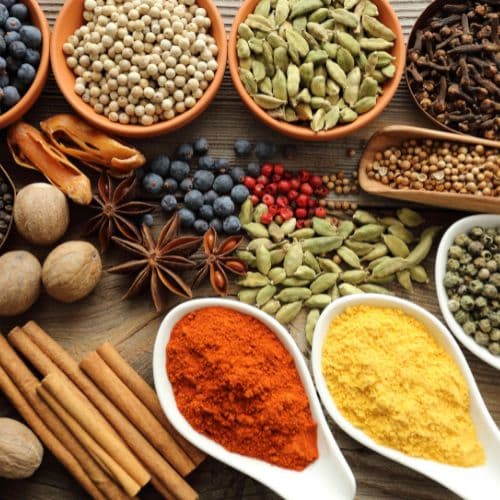
Indian cuisine is famous for its use of spices, many of which have significant health benefits:
- Turmeric: Contains curcumin, which has powerful anti-inflammatory and antioxidant properties.
- Cumin: Aids digestion and improves gut health.
- Fenugreek: Helps regulate blood sugar and cholesterol levels.
- Ginger & Garlic: Boost immunity and have antibacterial effects.
A 2020 study published in Frontiers in Pharmacology found that turmeric and ginger significantly reduce inflammation and oxidative stress, which are linked to chronic diseases like diabetes and heart disease.

B. High in Fiber from Whole Grains and Lentils
Traditional Indian food incorporates fiber-rich whole grains and lentils such as:
- Whole wheat (atta) roti: Low glycemic index and rich in fiber.
- Millets (bajra, ragi, jowar): Excellent for heart health and diabetes management.
- Lentils (dal): A protein powerhouse for vegetarians, packed with fiber and essential amino acids.
According to the USDA, one cup of cooked lentils contains about 18g of protein and 15g of fiber, making it an excellent plant-based protein source.
C. Natural Probiotics from Fermented Foods
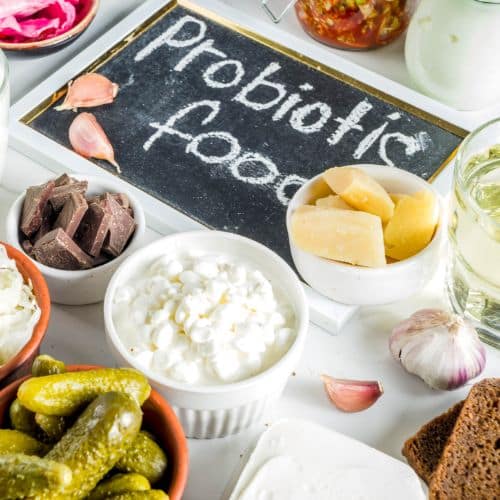
Fermented Indian foods contribute to gut health by promoting beneficial gut bacteria:
- Idli and dosa: Made from fermented rice and urad dal, supporting digestion.
- Dahi (yogurt): Contains probiotics that enhance gut health.
- Pickles (achar): When made traditionally, they provide natural fermentation benefits.
A study from the American Journal of Clinical Nutrition highlights that regular probiotic intake can improve digestion and immune function, reducing the risk of gastrointestinal disorders.
D. Balanced Macronutrient Profile
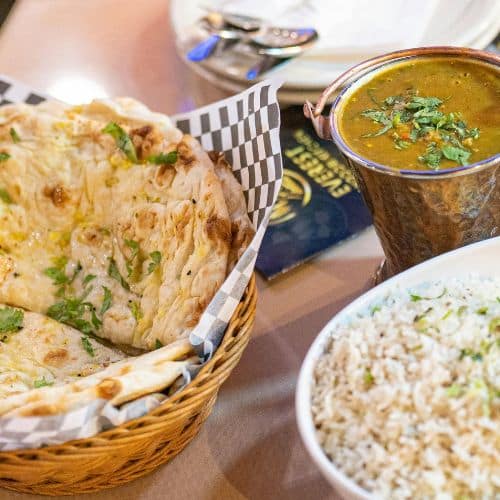
Indian meals are often designed to include a balance of carbohydrates, proteins, and fats:
- Carbohydrates: Roti, rice, millets
- Proteins: Lentils, paneer, legumes, chicken, and fish
- Healthy fats: Ghee (when used in moderation), mustard oil, and coconut oil
A well-balanced Indian meal can provide 500-700 calories with a good mix of protein, fiber, and essential fats, promoting satiety and sustained energy.
2. Potential Health Risks of Indian Food
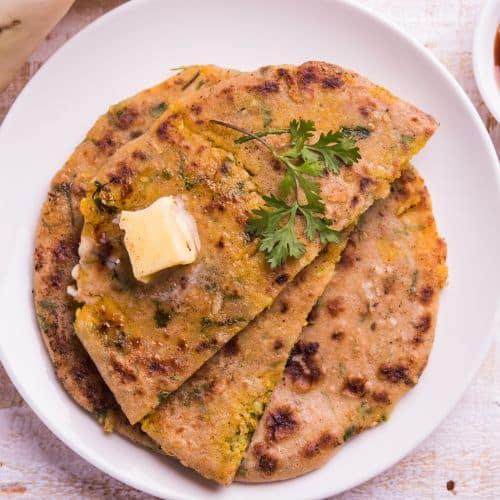
A. Excessive Use of Oil and Butter
While traditional Indian food can be healthy, modern restaurant dishes often contain excessive oil, butter, and cream, leading to high calorie intake.
- Examples of high-calorie dishes: Butter Chicken (approx. 600-700 kcal per serving), Shahi Paneer (800+ kcal per serving), Malai Kofta.
Healthier swaps: Opt for grilled or tandoori items and curries made with less oil or coconut milk instead of heavy cream.
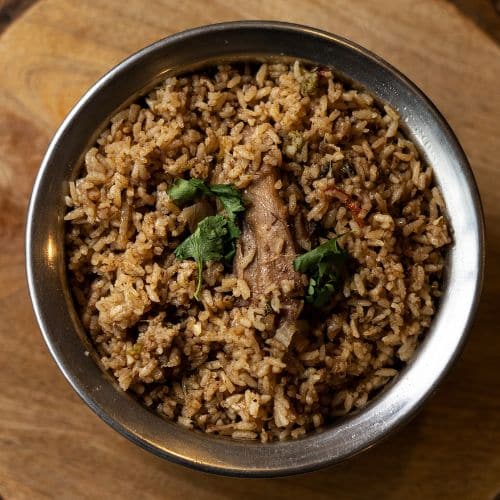
B. Overconsumption of Refined Carbohydrates
White rice and refined flour (maida) are commonly used in Indian food but can cause blood sugar spikes. Healthier alternatives include:
- Brown rice instead of white rice
- Whole wheat or millet-based rotis instead of naan made with maida
According to the International Diabetes Federation, India has over 77 million people with diabetes, partly due to high carbohydrate consumption.
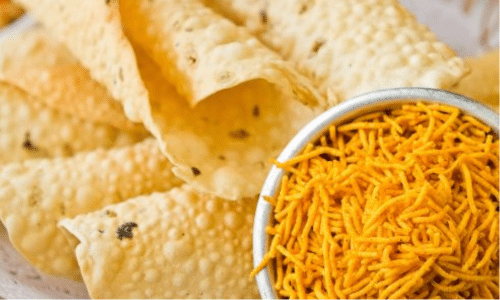
C. Excess Sodium and Processed Foods
Packaged Indian snacks like namkeen, bhujia, and processed papads can contain excessive sodium, contributing to high blood pressure. The World Health Organization recommends keeping sodium intake below 2,300 mg per day, yet some popular Indian snacks exceed this in just one serving.
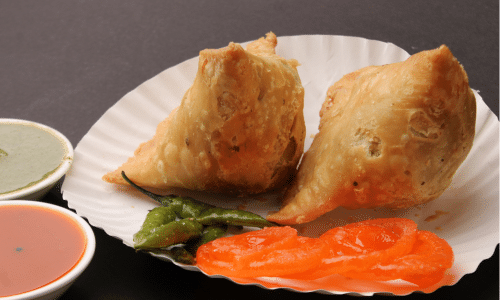
D. Deep-Fried and High-Sugar Dishes
Popular deep-fried Indian foods like samosas (250-300 kcal per piece), pakoras, and jalebis (150 kcal per piece) can increase the risk of obesity and heart disease.
- Healthier alternatives: Air-frying or baking instead of deep-frying, and consuming sweets in moderation.
3. How to Make Indian Food Healthier
- Use Less Oil: Switch to healthier cooking methods like steaming, roasting, and grilling.
- Choose Whole Grains: Opt for whole wheat, millets, and quinoa instead of refined flour.
- Eat More Vegetables: Increase your intake of sabzi (vegetable-based dishes) and salads.
- Limit Processed Foods: Avoid excessive salt and sugar-laden store-bought snacks.
- Opt for Lean Proteins: Include dal, paneer, tofu, eggs, chicken, and fish instead of deep-fried protein options.
- Control Portions: Indian thalis offer variety, but eating smaller portions helps maintain balance.
- Reduce Heavy Cream and Butter: Use yogurt or coconut milk as healthier substitutes.
- Cook at Home More Often: Restaurant food tends to be calorie-dense. Home-cooked meals allow better control over ingredients.
Final Thoughts
Indian food, when prepared with traditional methods and consumed in balanced portions, can be one of the healthiest diets in the world. With a strong foundation of whole grains, lean proteins, spices with medicinal properties, and probiotic-rich fermented foods, it offers a variety of health benefits.
However, modern adaptations with excess oil, refined carbs, and deep-frying have contributed to rising lifestyle diseases like obesity and diabetes. The key is to make mindful choices—opting for whole ingredients, reducing unhealthy fats, and maintaining portion control.At its core, Indian food is a celebration of diversity, culture, and wellness—it just needs to be approached with balance. By making a few simple adjustments, you can enjoy flavorful Indian meals while prioritizing your health.
If you’re interested in diving deeper into the world of healthy Indian food, check out our comprehensive guide on Healthy Indian Food. It covers everything from nutritious ingredients to balanced meal ideas, helping you make the most of India’s rich culinary heritage while staying healthy.
