


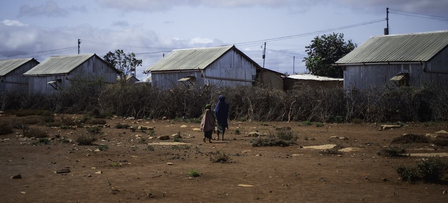
Some 6.5 million people in Somalia, roughly a third of the population, are expected to experience severe hunger until March, marking a surge of 1.7 million individuals since January. The World Food Programme (WFP) Director of Emergency Preparedness and Response, Ross Smith, addressed concerns about the deteriorating humanitarian situation in Somalia during a press briefing at the UN headquarters. Particularly alarming is the projection that around two million vulnerable women and children will confront severe hunger, with over 1.8 million children under 5 facing acute malnutrition in 2026.
The dire circumstances in Somalia are exacerbated by the failure of two rainy seasons, ongoing conflict, insecurity, and mass displacement of people seeking essential resources. Despite these challenges, humanitarian agencies like WFP are grappling with severe resource shortages. Without immediate financial assistance, the WFP’s critical emergency food and nutrition aid for the most at-risk populations in Somalia may be curtailed, leading to a potential cessation of support in the near future.
Rein Paulsen, the director of the Food and Agriculture Organization’s (FAO) Office of Emergencies and Resilience, drew attention to the devastating impact of the drought on Somalia’s agricultural sector. The drought has resulted in extensive losses of crops and livestock, coupled with significant displacements of individuals. Notably, the country’s recent primary cereal harvest plummeted by 83% compared to the long-term average from 1995 to 2025, while livestock births have also declined. Urgent intervention is imperative to safeguard lives and prevent the collapse of rural farming and pastoral livelihoods.
To address the unfolding crisis, FAO urgently requires $85 million to aid one million of the most vulnerable and underserved rural populations. Regrettably, the organization has only secured $6 million to date, underscoring the pressing need for additional support and resources.
