


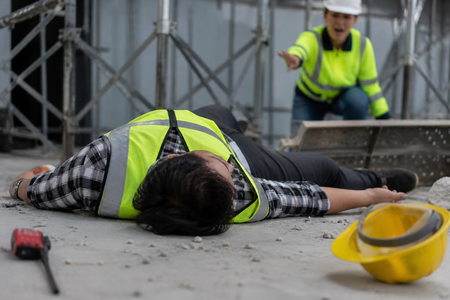
At least 72 workers lost their lives and 573 others were injured in workplace incidents in Bangladesh during the first quarter of 2026, as reported by a local human rights organization. This marked a significant increase compared to the same period in the previous year. The Human Rights Support Society in Dhaka revealed these figures during a discussion themed “Workers’ Rights are Human Rights” held before International Workers’ Day.
The data indicated a notable rise in injuries, nearly doubling from the previous year, with 294 injuries reported in the first three months of 2025. These injuries resulted from various causes, including workplace accidents, police interventions in protests, and other forms of violence, according to The Daily Star, a prominent newspaper in Bangladesh.
In 2025, a total of 168 workplace fatalities were documented, with 19 occurring in the first quarter and 64 in the last quarter. Addressing the event, Nagorik Oikya President Mahmudur Rahman Manna criticized the lack of representation for workers in the national parliament. He highlighted the continued neglect of workers’ rights and demands, despite the prolonged sessions of parliament.
Manna expressed concerns over the unaddressed issues related to workers’ rights, living standards, and economic challenges during the parliamentary sessions. He also questioned the potential benefits for workers amidst ongoing debates on state reforms and constitutional amendments. Additionally, he raised issues regarding the rising prices of essentials, gas, and fuel in Bangladesh, emphasizing the inadequate distribution of social safety net benefits.
Advocate Atiqur Rahman, President of Bangladesh Sramik Kalyan Federation, lamented the failure of reform commissions to address the grievances of the country’s 7.5 crore workers. He criticized the prevalent use of child labor in garment factories and highlighted the wage disparities and harsh working conditions faced by female garment workers. Rabita Islam, Deputy Director of Karmojibi Nari, a women-led advocacy group, pointed out the challenges faced by workers receiving minimum wages, who often end up in subcontracting factories earning meager monthly incomes.
