


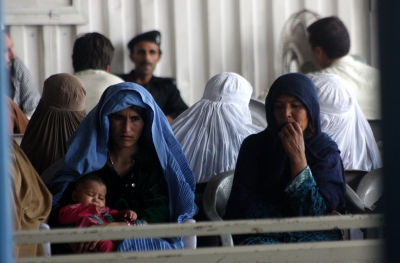
Thousands of Afghan women and families deported from Pakistan and Iran are grappling with poverty, lack of shelter, and escalating human rights issues. These returnees, many of whom were female-headed households working in the two countries, now find themselves without financial support, plunging them into extreme poverty amid harsh winter conditions.
The International Organization for Migration (IOM) has raised concerns over more than two million returnees encountering livelihood challenges. Forced deportations are exacerbating the dire refugee situation, particularly affecting Afghan migrants, including women and children, who are being sent back to regions plagued by gender-based violence, early marriages, and restricted freedoms.
In Afghanistan, journalists covering forced deportations, protests, and women’s rights are facing increasing threats, including detention, harassment, and violence. UN reports reveal that only 11% of Afghan returnees are employed, with one in four lacking adequate housing. Additionally, over half of households struggle to meet basic needs, with women-led households experiencing food insecurity and unemployment.
Amnesty International has urged the Pakistani government to protect Afghan refugees from harassment and unlawful treatment by security agencies. The human rights organization emphasized the need for Pakistan to prevent the deportation of Afghan refugees, ensuring their safety in accordance with international human rights standards.
