


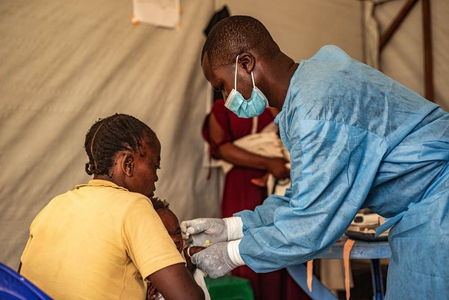
The Africa Centres for Disease Control and Prevention (Africa CDC) stressed the critical need to boost continental capabilities due to the lack of adequate capacity in many African countries to detect and respond to potential hantavirus threats. Yap Boum II, head of the emergency preparedness and response division at Africa CDC, highlighted significant surveillance gaps across the continent, with about 40% of countries lacking functional systems for early hantavirus detection.
Tolbert Nyenswah, director of pandemic prevention, preparedness, and response at Africa CDC, emphasized the importance of improving early case recognition and implementing a 45-day monitoring protocol for exposed individuals. He called for targeted infection prevention and control measures to mitigate the risk of transmission. Africa CDC is actively working to enhance national and regional laboratories’ capacity to diagnose and confirm hantavirus infections promptly using molecular methods.
Hantaviruses, transmitted by rodents, can lead to severe illness in humans through contact with infected rodents, their urine, droppings, or saliva. In a separate development, health authorities confirmed a new outbreak of Ebola virus disease in eastern Democratic Republic of the Congo (DRC). The Africa CDC reported hundreds of suspected Ebola cases in Ituri Province, with preliminary tests confirming the virus in 13 out of 20 samples. The outbreak has resulted in 65 deaths among 246 suspected cases, primarily in Mongwalu and Rwampara, with additional cases reported in Bunia.
