


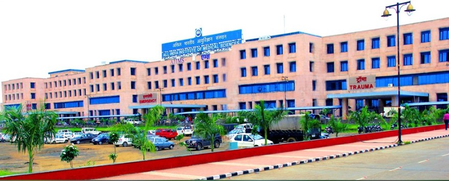
A recent study conducted by the All India Institute of Medical Sciences (AIIMS) Bhopal highlights the importance of early and advanced health screening for children with sickle cell disease (SCD). Researchers discovered hidden heart, kidney, and sleep-related complications in a significant number of patients. The study, led by Dr. Harshitha S. under the guidance of Dr. Girish Chandra Bhatt, focused on understanding the impact of SCD on blood pressure, sleep patterns, heart health, and kidney function.
The findings of the study are particularly crucial for Madhya Pradesh, where sickle cell disease affects a considerable population, especially in tribal regions. Many children with SCD exhibited severe health issues that were not identifiable through routine medical examinations. Through 24-hour ambulatory blood pressure monitoring (ABPM), doctors uncovered hidden blood pressure irregularities, including elevated blood pressure levels during sleep.
Additionally, the research revealed a high prevalence of obstructive sleep apnea (OSA) among children with sickle cell disease. Children suffering from sleep apnea were found to be at a higher risk of blood vessel and heart damage. Notably, around 71% of the children displayed early signs of cardiovascular or vascular injury, even when their blood pressure seemed normal during regular hospital visits.
The study also shed light on early kidney complications. Proteinuria, an early indicator of kidney damage, was detected in many children. More sensitive kidney tests utilizing cystatin C identified reduced kidney function in a significant portion of patients, a detection that traditional tests missed in several cases. Dr. Girish Chandra Bhatt emphasized the necessity of comprehensive care for children with sickle cell disease, stating that beyond routine blood tests, regular screening for hidden heart, kidney, and sleep-related issues is essential for improved treatment and long-term outcomes.
The researchers believe that the study’s insights will aid in the development of enhanced screening and treatment approaches for children affected by sickle cell disease, potentially reducing long-term complications associated with the condition.
